

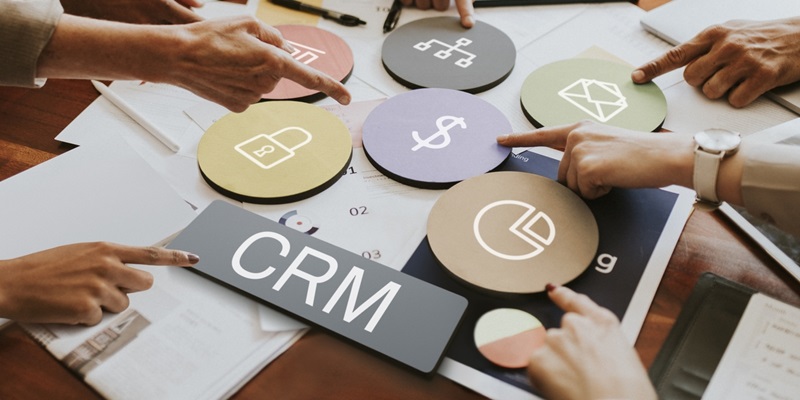
The life of a small business owner can be far from easy at times. From managing day-to-day operations to juggling multiple tasks and projects, entrepreneurs often find themselves overwhelmed and struggling to prioritize their efforts effectively. However, implementing a Customer Relationship Management (CRM) system can prove to be a game-changer for these industrious individuals. In this article, we will explore the challenges faced by small business owners, the benefits of utilizing a CRM, and how it can revolutionize their approach to tasks, sales, and customer relationships.
Prioritizing tasks and projects
When I became an entrepreneur, prioritizing my tasks and projects was one of my biggest challenges. The multitude of responsibilities often forced me to spread myself thin, hindering productivity and the achievement of desired outcomes. However, with the introduction of a CRM system, I was able to streamline my workflow, ensuring that crucial tasks received the attention they deserved, resulting in increased efficiency and better results.
Benefits of a CRM
A CRM can boost sales by 29%, elevate productivity by 34%, and increase forecast accuracy by 42%. These statistics highlight the significant impact that implementing a CRM can have on a small business’s bottom line. By effectively managing customer data, interactions, and sales funnels, businesses can optimize their sales processes and provide personalized experiences to their clients, ultimately driving higher revenue and customer satisfaction.
One of the seemingly trivial yet time-consuming tasks faced by small business owners is searching for client contact information. In the absence of a CRM, this exercise can become a significant drain on productive hours. However, with a CRM in place, this crucial information is readily accessible, requiring just a few clicks. The time saved can now be invested in more important tasks, such as nurturing client relationships or developing innovative strategies.
Having a repository of insights into our clients’ lives, ranging from family details to memorable dates, can help us build better relationships with them. By keeping track of such information within a CRM, we can personalize our interactions, extend thoughtful gestures, and establish a stronger rapport. This level of personalization builds trust, fostering long-term loyalty and repeat business.
In the hectic world of entrepreneurship, it’s normal sometimes to forget discussions or even agreements made with clients. However, a CRM acts as our second brain, meticulously storing all these crucial details for us. Whether it’s a discussion about a new project or a negotiation process, every piece of information is safely stored within the CRM, ensuring that nothing slips through the cracks.
Being able to retrieve any email from a client’s file in the CRM becomes a game-changer. No longer do we need to waste precious time digging through a cluttered inbox; instead, we can quickly access past conversations and stay on top of our commitments. This not only saves time but also ensures that we maintain professionalism and consistently meet deadlines.
Deciding where to focus our efforts is crucial for maximizing our impact. Some clients may be ready to buy, while others require more time and nurturing. Having all this information in one place and being able to categorize prospects helps sales professionals know which opportunities to pursue and which to hold off on. This strategic approach ensures that time and resources are allocated effectively, leading to higher conversion rates and better customer experiences.
In conclusion, implementing a CRM system has become indispensable for small business owners. It not only helps streamline tasks and projects but also has the potential to significantly boost sales, improve productivity, and create meaningful connections with clients. By valuing our time and leveraging the power of a CRM, we can take our business to new heights, cementing our position in a competitive marketplace. So, embrace the CRM revolution and experience the transformative benefits it offers to small business owners like yourself.