

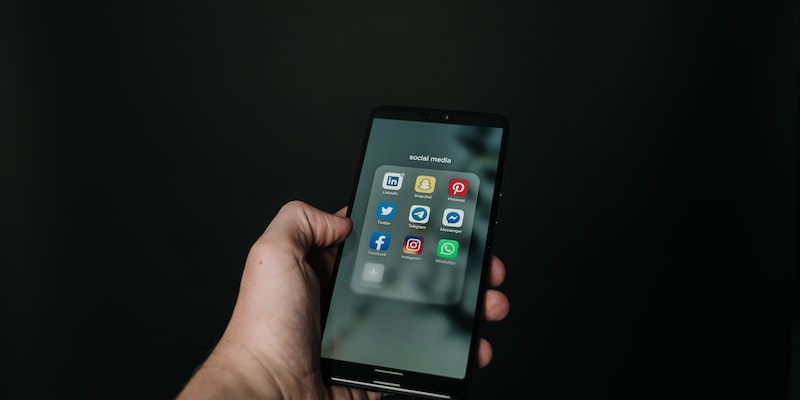
In today’s digital era, consumers are increasingly turning to social media as a platform for engaging with brands. As the holiday season approaches, this trend becomes even more significant, with nearly three-quarters of consumers expressing their likelihood to reach out to a brand on social media during this festive time. Effective communication through preferred channels plays a vital role in enhancing customer experience and satisfaction.
Statistics on Consumer Behavior
According to recent surveys, 74% of consumers state their intention to connect with brands on social media over the holidays. Moreover, a staggering 70% of respondents express their preference for direct messaging as their primary method of communication. These statistics highlight the rising importance of social media as a preferred engagement platform for consumers during the holiday season.
Interestingly, 63% of consumers claim they are more likely to contact a brand on social media during the holidays compared to other times of the year. This suggests that the festive season resonates with customers and motivates them to engage with brands through social channels. As the holiday spirit engulfs consumers, brands must recognize and adapt to this distinct pattern of increased customer interaction.
Importance of Meeting Customers’ Preferences
To optimize the customer experience, it is essential for brands to meet customers where they are and avoid bombarding them with messages on unwanted platforms. By aligning their communication strategies with customer preferences, brands can ensure a positive engagement experience and build stronger relationships with their target audience.
The role of social media in product discovery is significant, especially during the holidays. As consumers look for recommendations and explore new options, recommendations from family and friends on social media, brand accounts on social platforms, and influencer recommendations emerge as the top three methods for discovering products. Brands should take advantage of these channels to showcase their offerings and capture customers’ attention during this important shopping period.
Preferred Social Media Platforms
Customers largely favor Facebook, Twitter, and Instagram as the go-to channels for direct brand interaction. These platforms act as conduits for customers to seek information, make inquiries, and actively engage with brands. Recognizing these preferences, brands should ensure a strong presence and effective communication strategies on these platforms to accommodate their customers.
The significance of customer feedback is immense. Hearing from customers across different channels is a valuable asset for brands, especially when first-party data is scarce. Feedback received through social media interactions provides brands with insights into customer needs, preferences, and pain points. This information can fuel improvements in products and services, enabling brands to deliver a more tailored and personalized customer experience.
Importance of Merging Customer Profiles
Efficiently merging customer profiles from various communication channels becomes crucial for brands to provide a cohesive customer experience. By amalgamating data collected through social media interactions, email communication, and website engagements, brands can gain a comprehensive understanding of their customers’ preferences and behaviors. This holistic view allows for personalized engagement and builds loyalty among customers.
In the age of social media dominance, brands must recognize the significance of effective communication on preferred platforms during the holiday season. With a large proportion of consumers willing to reach out to brands on social media during this festive time, engaging customers through direct messaging and meeting their preferences becomes imperative. By utilizing social media as a discovery platform and bridging the gap between different channels, brands can enhance the customer experience and forge lasting relationships with their audience. Embracing the dynamic landscape of social media engagement during the holidays will enable brands to stay ahead of the competition and drive business success in the digital age.