

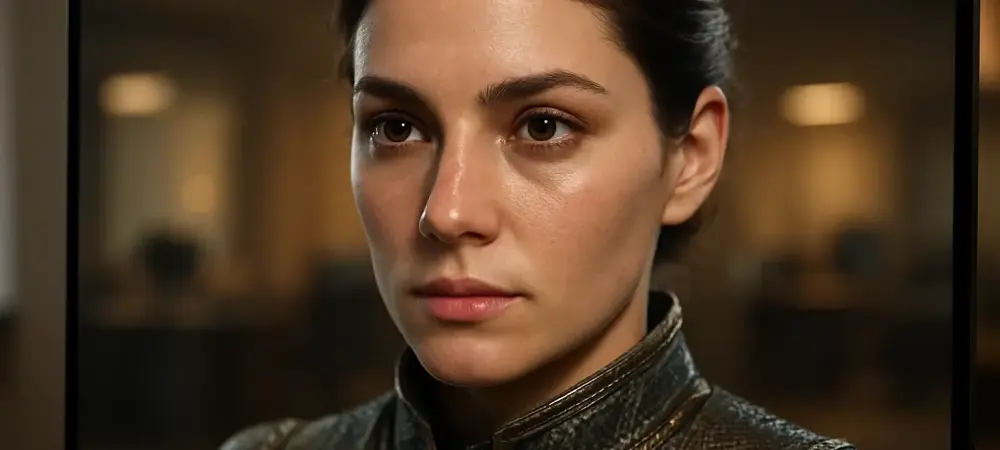
AI video upscaling has evolved from simple pixel-stretching into a complex reconstruction process that functions more like restoration than resizing. The digital landscape of 2026 marks a decisive shift from experimental AI novelties to professional-grade creative utilities, effectively ending the era of fragmented workflows. For years, creators were forced into a frustrating cycle of “app stitching,” where a single project required juggling multiple subscriptions and disjointed software interfaces. This friction often resulted in significant data loss and a visible degradation of quality during every export-import cycle. Today, the most successful platforms have consolidated image generation, video animation, and high-fidelity upscaling into unified, centralized workspaces. This evolution prioritizes workflow efficiency and cross-platform readiness, fundamentally redefining how YouTubers, digital marketers, and streamers approach their craft. By eliminating the hurdles of disconnected tools, the industry has transitioned toward a model-agnostic approach. Professionals now value platforms not for the initial shock factor of their output, but for their ability to streamline the entire production chain while providing access to various underlying architectures like FLUX or GPT Image within a single, cohesive interface.
Professional Precision: The Shift to Native High-Resolution Assets
A major technological leap observed throughout the current year is the transition to native high-resolution generation, which has moved far beyond the soft 1024-pixel standards that once limited digital artists. Professional content now demands native 2K generation paired with intelligent 4K refinement to eliminate the “smeared” textures that were once synonymous with artificial intelligence upscaling. This advancement ensures that the fine details of an image—from the weave of a fabric to the complex reflections in a glass surface—are sharp from the very moment of creation. Such precision provides a solid foundation for commercial use and high-definition social media assets that must stand up to scrutiny on large-format displays. The reliance on post-process sharpening has diminished because the generative models themselves now understand spatial density and texture at a much deeper level, allowing for a level of clarity that was previously reserved for high-end traditional photography and digital painting.
The demands of fan culture and professional branding have also driven the development of specific features that were once considered insurmountable technical hurdles. Contemporary tools now offer flawless text rendering, enabling creators to produce legible title cards, signs, and apparel designs without the distorted lettering of previous iterations. Furthermore, precise color control using Hex and RGB inputs has become standard, allowing companies to maintain strict brand identity across AI-generated campaigns. Granular editing tools have also evolved to support non-destructive “inpainting,” where specific elements like backgrounds or small errors can be swapped or fixed without the need to regenerate the entire image from scratch. This level of control allows for a iterative creative process that mirrors professional design software, where every adjustment is intentional and surgical, rather than a gamble based on a randomized prompt.
Identity Locking: Solving the Challenge of Character Consistency
The persistent problem of “character drift” was once a major roadblock for creators building long-form narratives or recurring digital personas. Without consistency, an original character might look different in every frame or scene, breaking the immersion for the audience and making serialized storytelling nearly impossible. The introduction of identity-locking technologies, such as the widely adopted “Soul ID” system, has effectively neutralized this issue by allowing creators to anchor specific facial features, proportions, and design elements. These systems ensure that a character remains recognizable across various prompts, environments, and lighting conditions. Whether a character is placed in a futuristic cityscape or a historical setting, their core visual identity remains stable, which has opened the door for a new wave of independent digital cinema and complex brand mascots that maintain visual integrity over long periods of time.
This level of continuity elevates artificial intelligence from a casual toy used for one-off images to a legitimate production engine for series-based content. By establishing a stable identity, creators can now build reusable asset libraries that span multiple platforms and marketing campaigns. This stability is particularly transformative for the gaming and streaming industries, where virtual influencers and digital hosts must remain consistent across hours of footage. The ability to maintain “soul” in a design means that creators can focus on performance and narrative rather than worrying about whether their protagonist will look like a different person in the next shot. This technological stability allows for the development of multi-chapter stories where audiences can form genuine emotional connections with digital characters, knowing their visual appearance is as reliable as that of a live-action actor.
Cinematic Restoration: New Standards for Video Fidelity
In 2026, the standard for video restoration has been completely redefined by super-resolution and denoising technologies that do more than just clean up an image. Modern tools utilize sophisticated neural networks to reconstruct missing details and strip away heavy compression artifacts from legacy media or low-quality gaming clips. These systems effectively “guess” and fill in missing data, transforming muddy textures into clean, 4K or 8K outputs suitable for modern high-dynamic-range displays. This is particularly vital for creators who need to integrate archival footage or early-generation AI clips into high-end productions. By analyzing patterns in the video, the software can distinguish between intentional film grain and unwanted digital noise, ensuring that the final output looks intentional and cinematic rather than artificial. This capability has democratized high-end cinematography, allowing those with limited hardware to produce visuals that compete with major studio outputs.
Technical pillars such as frame interpolation and advanced stabilization have also become standard features in the modern creative toolkit. These advancements allow creators to smooth out shaky handheld footage or increase frame rates to a fluid 120 fps for a hyper-realistic or cinematic feel. Specialized sub-fields like face enhancement now focus on the nuances of human expression, preventing the “plastic” or “uncanny valley” look that plagued earlier upscaling attempts. These systems are now capable of preserving the subtle micro-expressions that convey emotion, ensuring that enhanced footage retains its human soul. As a result, even archival or low-budget footage can be brought up to contemporary production standards, making high-quality visual storytelling accessible to a global audience. This shift has turned the focus away from technical limitations and back toward the creative vision of the director or content producer.
Workflow Integration: The Future of Unified Production
The most cohesive narrative of the current landscape is the “End-to-End” workflow, which guides a project from initial concept to final cinema-quality output within a single ecosystem. A creator typically begins by generating a high-resolution image with locked character features, then moves directly into animation pipelines that use advanced video models to bring those assets to life. By simulating real-world camera movements and optical physics, these unified platforms ensure that motion feels natural and professional rather than like a simple digital effect. The integration of physics engines allows for realistic hair, cloth, and fluid simulations that react dynamically to the environment within the scene. This holistic approach reduces the technical overhead that once required a team of specialists, allowing a single creator to manage lighting, cinematography, and animation within a synchronized digital environment.
The final stage of this integrated process involved a comprehensive polish through 4K upscalers to ensure the content met the highest standards for modern streaming platforms. By keeping every step within a single platform, creators avoided the “quality rot” that occurred when files were repeatedly compressed through different software packages. As these tools became more accessible through simple web interfaces, the gap between amateur and professional production continued to close, leaving the creator’s imagination as the only remaining limit. To capitalize on these advancements, designers started prioritizing the development of unique digital identities and proprietary asset libraries. The industry moved toward a future where technical mastery of individual tools was less important than the ability to direct an integrated system effectively. The focus shifted toward long-term narrative planning and brand consistency, as the barriers to high-fidelity output were finally dismantled by these unified creative ecosystems.