

Imagine a world where fragmented customer data no longer hinders marketing efforts, and real-time insights drive personalized experiences at every touchpoint, transforming how businesses connect with their audiences. In today’s fast-paced digital landscape, companies grapple with data silos and privacy concerns while striving to meet escalating customer expectations. Tealium Customer Data Platform (CDP) emerges as a pivotal solution, promising to unify disparate data sources and empower marketers with actionable intelligence. This review delves into the intricacies of Tealium’s platform, exploring its standout features, real-world impact, and position within the evolving marketing technology ecosystem.
Understanding the Tealium Customer Data Platform
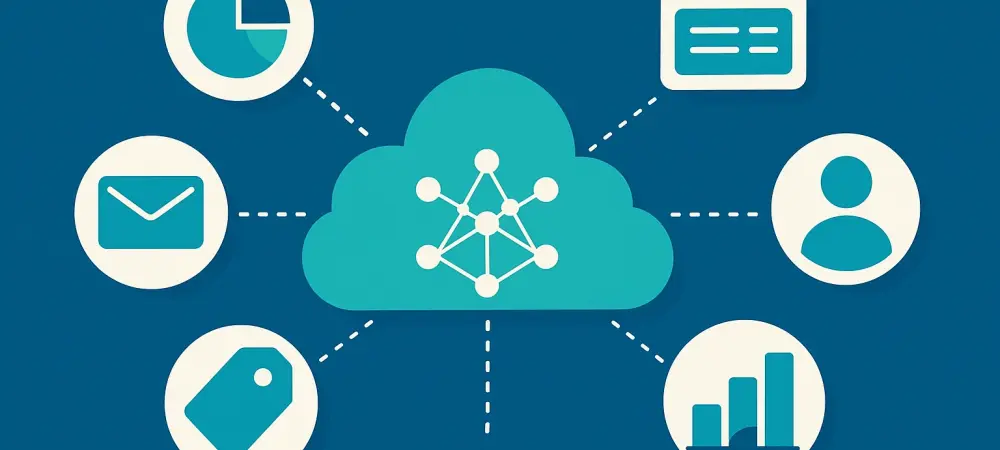
Tealium CDP stands as a robust tool designed to collect, unify, and activate customer data in real time, addressing a critical need for seamless data integration. By consolidating information from various sources—such as websites, mobile apps, and offline channels—the platform enables marketers to craft cohesive customer profiles. This unification is essential for delivering tailored experiences that resonate with individual preferences and behaviors.
Beyond mere data aggregation, Tealium plays a vital role in dismantling data silos that often plague organizations. Its architecture supports a centralized hub where data can flow freely across marketing, sales, and customer service teams, fostering collaboration. Additionally, the platform prioritizes privacy compliance, ensuring that data handling aligns with stringent regulations, a growing priority in the industry.
The significance of Tealium extends to its adaptability in a technology landscape increasingly shaped by artificial intelligence and privacy-first mandates. As marketers navigate these complexities, the platform offers a foundation for building trust with consumers while leveraging data for strategic advantage. This positioning makes Tealium a relevant contender among customer data solutions.
Core Features and Integrations of Tealium CDP
Real-Time Data Collection and Activation
One of Tealium’s defining strengths lies in its capability to gather and activate customer data instantaneously. This real-time functionality ensures that marketers can respond swiftly to customer interactions, whether it’s a website visit, a purchase, or a support query. Such immediacy enhances the ability to deliver personalized content at the most opportune moments.
The technical underpinnings of this feature involve advanced data streaming mechanisms that minimize latency. By processing information as it arrives, Tealium facilitates smooth customer journeys, reducing friction points that might deter engagement. This responsiveness is particularly valuable in competitive sectors where timing can determine campaign success.
Moreover, real-time activation empowers brands to test and iterate marketing strategies on the fly. Marketers can adjust messaging or offers based on live feedback, optimizing outcomes without delay. This agility sets Tealium apart as a dynamic tool for modern marketing demands.
Bi-Directional Integration with Snowflake
A cornerstone of Tealium’s value proposition is its seamless bi-directional integration with Snowflake, a leading AI Data Cloud provider. Leveraging tools like the Snowpipe Streaming API, this partnership allows for efficient transfer of real-time customer engagement data between platforms. The result is a robust ecosystem where data can be both ingested and activated at scale.
This collaboration also harnesses Snowflake Data Source integrations to support advanced analytics and AI-driven insights. Marketers gain access to deeper, more actionable intelligence, enabling predictive modeling and personalized campaign planning. The integration ensures that data remains privacy-compliant, addressing a critical concern in today’s regulatory environment.
The synergy between Tealium and Snowflake amplifies the potential for scalable marketing solutions. Organizations can handle vast datasets without sacrificing speed or security, positioning this partnership as a game-changer for data-driven decision-making. It underscores Tealium’s commitment to staying at the forefront of technological innovation.
Emerging Trends in Customer Data Platforms
The landscape of customer data platforms is undergoing rapid transformation, driven by the increasing adoption of AI in marketing analytics. Machine learning algorithms now play a pivotal role in uncovering patterns and predicting customer behavior, a trend that Tealium capitalizes on through its integrations and feature set. This alignment with AI advancements enhances its appeal to forward-thinking brands.
Another prominent shift is the move toward privacy-first data practices, spurred by evolving regulations and consumer expectations. Tealium addresses this by embedding compliance mechanisms into its core operations, ensuring that personalization does not come at the expense of trust. This focus is becoming a benchmark for CDP providers industry-wide.
Lastly, the demand for unified data solutions continues to grow as businesses seek to eliminate inefficiencies caused by fragmented systems. Tealium’s ability to serve as a central data hub positions it favorably amid this trend. Strategic partnerships and continuous enhancements further solidify its role as a leader in meeting these market needs.
Real-World Applications and Success Stories
Tealium CDP has demonstrated tangible impact across diverse industries, showcasing its versatility in addressing unique business challenges. For instance, Rohrman Auto Group, an automotive company based in the US, utilized the platform to unify over 2 million customer records. This consolidation transformed fragmented data into clean, consented profiles, significantly boosting lead conversions.
In the telecommunications sector, Spark New Zealand harnessed Tealium’s capabilities alongside Snowflake’s infrastructure to build an AI-powered data engine. The initiative drove substantial incremental revenue by enabling precise targeting and optimization of customer interactions. Such outcomes highlight the platform’s potential to deliver measurable financial results.
Similarly, Legal & General, a UK-based financial services provider, reported a remarkable 54% increase in call-to-lead conversions after integrating Tealium with Snowflake. By aligning marketing and call center strategies through unified data, the organization enhanced customer engagement. These success stories underscore Tealium’s effectiveness in real-world scenarios.
Challenges and Limitations of Tealium CDP
Despite its strengths, Tealium faces certain hurdles that could impact its adoption, particularly among smaller businesses. The complexity of integrating the platform with existing systems may pose a barrier for organizations lacking robust technical resources. This challenge necessitates simplified onboarding processes or additional support structures.
The evolving regulatory landscape surrounding data privacy presents another obstacle. While Tealium prioritizes compliance, staying ahead of global mandates requires constant vigilance and adaptation. Failure to anticipate regulatory shifts could expose users to risks, an area where ongoing innovation is critical.
Competition within the crowded CDP market also tests Tealium’s resilience. Rivals offering similar functionalities or lower-cost alternatives may attract budget-conscious firms. To counter this, Tealium engages actively with industry communities through sponsorships like the Snowflake World Tour events and focuses on iterative platform improvements to maintain a competitive edge.
Future Outlook for Tealium and Customer Data Platforms
Looking ahead, Tealium is poised to deepen its integration of AI capabilities, potentially enhancing predictive analytics and automation within its platform. Such advancements could redefine how marketers anticipate customer needs, offering a more proactive approach to engagement. This trajectory aligns with broader industry expectations for smarter data tools.
Expanded partnerships, particularly with entities like Snowflake, are likely to shape Tealium’s evolution. Collaborative efforts could unlock new use cases, such as cross-industry data sharing or enhanced security protocols. These alliances will be instrumental in maintaining relevance in a dynamic market.
Furthermore, Tealium’s role in shaping privacy-compliant marketing strategies is expected to grow. As consumer awareness of data rights increases, the platform’s emphasis on ethical data practices could become a defining differentiator. Its influence on marketing technology may extend to setting new standards for responsible innovation.
Final Thoughts and Assessment
Reflecting on the evaluation, Tealium Customer Data Platform proves to be a formidable player in unifying customer data and driving personalized engagement. Its real-time capabilities and strategic integrations, especially with Snowflake, deliver impressive results across varied industries. However, challenges like integration complexities and competitive pressures highlight areas for refinement.
Moving forward, organizations considering Tealium should weigh its robust feature set against their internal capacity for implementation. Exploring pilot programs or leveraging vendor support could ease adoption hurdles. Additionally, staying attuned to Tealium’s updates on privacy and AI enhancements will be crucial for maximizing long-term value.
As the marketing technology landscape continues to evolve, Tealium’s commitment to innovation and collaboration positions it as a trusted ally for data-driven brands. Businesses aiming to thrive in a customer-centric era are encouraged to monitor how this platform adapts to emerging needs, potentially integrating it as a cornerstone of their data strategy.