

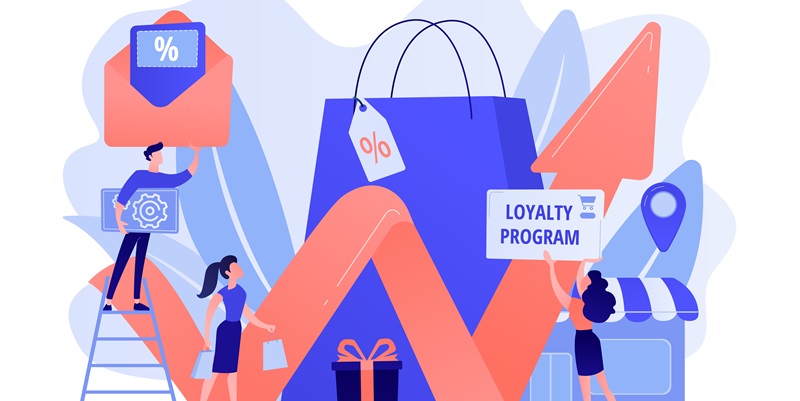
The retail landscape is swiftly changing, with companies striving to stay ahead. A key trend is the rise of subscription-based loyalty programs, revolutionizing customer engagement. This approach blends the regular benefits of subscription models with the traditional rewards of loyalty programs.
Subscription-based Loyalty Programs: A New Twist on Customer Engagement
Subscription-based loyalty programs offer customers regular products or services while providing them with exclusive benefits, encouraging continuous engagement and brand loyalty. This type of program typically functions by having customers pay a recurring fee, which then entitles them to certain advantages, such as discounts, free shipping, or access to limited-edition products.
For businesses, these programs promise a steady revenue stream and valuable customer data. They can analyze purchasing patterns and tailor their offerings to better meet consumer needs, potentially leading to increased customer satisfaction and retention. Moreover, by introducing an element of exclusivity and personalization, these programs can enhance the overall customer experience, making consumers feel more valued and connected to the brand.
The Rise of the Subscription Economy
The global retail landscape has seen a staggering upsurge in the subscription economy, with consumers increasingly favoring systems that prioritize convenience and a personalized approach to shopping. Subscriptions are no longer a niche market; they have become a universally accepted model, growing more than threefold within the past seven years alone. In this booming subscription culture, services such as Amazon Prime have become household names, not only in Australia but worldwide. Customers are drawn to these programs by the promise of ease, exclusivity, and continuous innovation — all pivotal factors that define the subscription experience.
Subscriptions and Customer Retention
At the intersection of subscriptions and retail success lies a fundamental metric: customer retention. The stability and predictable income of recurring subscription models provide businesses with a foundation to build upon customer relationships and, in turn, secure long-term brand loyalty. It has been widely recognized that even a slight increase in retention rates can amplify profits substantially. This principle holds especially true for subscription services, where the continuity of engagement ensures that customers remain connected to the brand.
The Symbiosis of Loyalty and Subscriptions
The fusion of loyalty rewards with subscription services creates a dynamic ecosystem in which both customers and businesses reap significant benefits. Retailers have begun recognizing the alignment between the convenience and continued engagement offered by subscriptions and the appealing rewards that come with traditional loyalty programs. Through this integration, customers enjoy the habitual ease of subscription services, while also receiving the added value of loyalty points, exclusive offers, and personalized experiences.
Leveraging Technology for Enhanced Engagement
To capitalize on the opportunities presented by subscription-enhanced loyalty programs, retailers are investing in sophisticated technological platforms. Streamlining the melding of loyalty programs with business operations necessitates advanced systems like those offered by Eagle Eye and Chargebee. These platforms not only allow for seamless loyalty program integration but also enable retailers to leverage valuable customer data for enhanced marketing strategies.
Boosting Customer Lifetime Value (CLV) with Hybrid Programs
Hybrid loyalty and subscription models are revolutionizing retail by boosting Customer Lifetime Value (CLV)—a key to profitability. These innovative programs fuel consistent engagement, leveraging personalized incentives and exclusive perks to cultivate a connection with customers beyond simple transactions.
Retailers employing these dual strategies witness increased customer loyalty. These models resonate with today’s consumers who seek personalization and meaningful interactions, leading to greater satisfaction and reduced turnover. Moreover, these programs ensure a steady revenue flow, not just from the initial purchase but through an ongoing relationship, thereby enhancing both CLV and long-term business health.
In essence, the integration of subscription and loyalty programs is redefining retail success. They keep customers coming back with customized offerings and reward loyalty, creating a stable financial foundation and elevating CLV. As businesses adopt these synergistic approaches, empowered by advanced technology, they secure a competitive edge in the subscription-dominated retail landscape.