

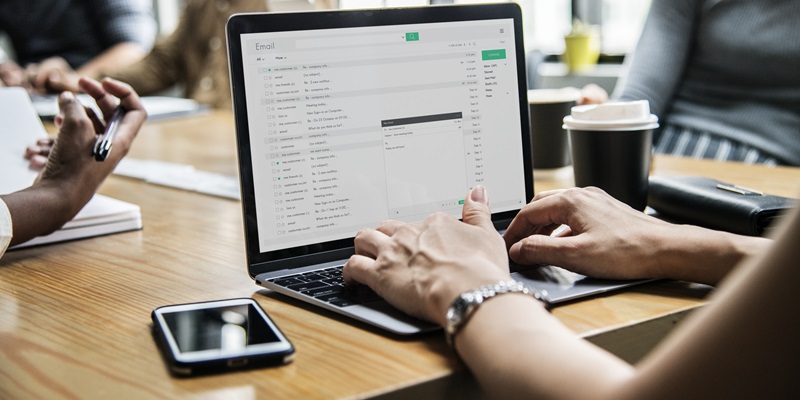
Email marketing has emerged as a powerful tool for businesses of all sizes to connect with their target audience and drive conversions. In this digital era, one strategy that stands out is the use of email sequences. In this article, we will explore the concept, benefits, and best practices surrounding email sequences, and how they can be an indispensable part of your marketing campaigns.
Definition of an Email Sequence
Email sequences refer to a strategic email marketing approach that involves sending a series of targeted emails to subscribers based on a predetermined schedule. Unlike sporadic one-time emails, email sequences are designed to nurture leads, engage customers, and guide them through a journey towards conversion.
Collecting Data and Nurturing Leads through Welcome Emails
Welcome emails, the first set of emails a subscriber receives after signing up, are crucial for establishing a lasting impression. They not only provide an opportunity to make a memorable introduction but also serve as a means to collect valuable data about the subscriber. By crafting personalized welcome emails, businesses can begin to nurture leads and build a foundation of trust.
Enhancing Customer Perception with Onboarding Email Sequences
Onboarding email sequences are a series of emails designed to help customers understand and make the most of a product or service they have recently purchased. These sequences play a vital role in strengthening customer perception of the value a brand provides. They offer an opportunity to educate customers, share best practices, provide helpful resources, and address any concerns or questions. By offering a smooth onboarding experience, businesses can increase customer satisfaction and loyalty.
Renewal and Abandoned Cart Emails as Follow-Up Sequences
Renewal and abandoned cart emails are follow-up sequences that target specific behaviors of customers who have shown interest in a product but have not yet completed their purchase or subscription renewal. Renewal emails remind customers of the benefits they are already enjoying and encourage them to continue their subscription. Abandoned cart emails, on the other hand, remind customers of the items left behind in their cart and entice them to complete their purchase.
Re-engagement Sequences to Reactivate Subscriber Interest
Over time, subscribers’ interest in a brand may wane. Re-engagement email sequences can effectively revive their interest and improve their engagement. By personalizing the content based on their past interactions, businesses can reignite their subscribers’ curiosity and recapture their attention.
Upsell sequences aim to convince customers to upgrade their initial purchase by highlighting the added value and benefits they can unlock. By presenting relevant upsell offers and illustrating how they align with the customers’ specific needs or desires, businesses can increase their average order value and foster customer loyalty.
Consumer Expectation of Personalized Marketing
In the era of mass marketing, consumers have come to expect personalized experiences. According to a survey, 61% of consumers expect brands to tailor their marketing efforts to their personal preferences. By leveraging personalization in email sequences, businesses can deliver relevant content and offers to their subscribers, leading to increased engagement and conversion rates.
How Personalization Increases Engagement and Conversion Rates
Personalization in email sequences enables businesses to address their subscribers on a more personal level, making the messages feel more relevant and valuable. By utilizing subscriber data such as demographics, purchase history, and browsing behavior, businesses can segment their audience and deliver tailored content that resonates with each individual. Studies have shown that personalized emails achieve higher open rates, click-through rates, and ultimately, conversion rates.
Including a Call to Action in Each Email
A call to action (CTA) is a crucial component of any successful email sequence. Whether it’s encouraging subscribers to make a purchase, download a resource, or engage with the brand on social media, every email should have a clear and compelling CTA that guides the reader towards the desired action.
Leveraging Automation for Scheduling and Triggered Emails
Automation facilitates the smooth execution of email sequences by allowing businesses to schedule emails in advance or trigger them based on predetermined actions or events. By automating the delivery of emails, businesses can have consistent and timely communication with their subscribers, ensuring they never miss a chance to engage and convert.
In the fast-paced world of digital marketing, email sequences have emerged as a powerful tool for businesses to nurture leads, engage customers, and drive conversions. By understanding the concept, benefits, and best practices of email sequences, businesses can unleash their full potential and significantly enhance their marketing campaigns. Incorporating email sequences into your strategy will not only help you build deeper relationships with your subscribers but also drive consistent growth and revenue for your business. Embrace the power of email sequences today and unlock the door to marketing success.