

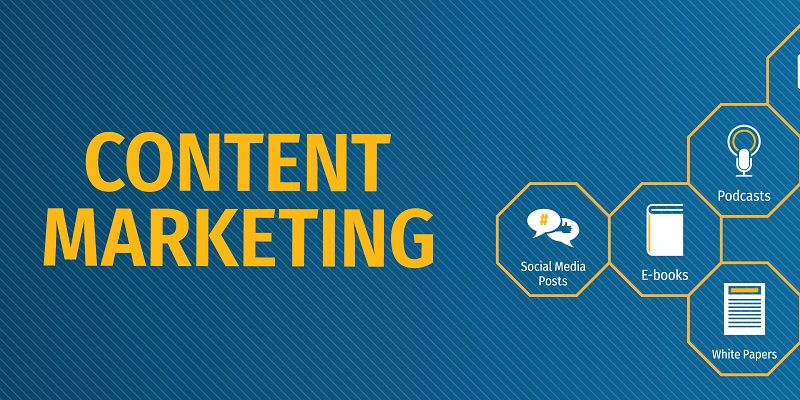
As we enter a new year, businesses need to be prepared to adapt to new trends and consumer preferences. Content marketing has been an essential part of marketing strategies for a long time now and is constantly evolving. To stay ahead of the competition, it’s crucial to keep an eye on the latest trends and strategies in the industry. In this article, we’ll be discussing strategies for boosting your content marketing in 2023.
Virtual and Augmented Reality in Marketing and Content Creation
Virtual and augmented reality (VR and AR) technologies have been around for a while, but they are becoming more popular than ever. VR and AR can be powerful tools to enhance customer experiences and engage with a wider audience. By creating interactive and immersive experiences, businesses can provide a more personal touch to their marketing campaigns and differentiate themselves from competitors.
Targeted and Specific Content for Distinguishing Yourself from Competitors
With the abundance of content available online, it’s crucial to create content that is targeted and specific, answering your audience’s questions and catering to their interests. As content becomes more niche and unique, it becomes easier to distinguish yourself from competitors and build a loyal following.
The Importance of AI in Marketing
Artificial intelligence (AI) is one of the most talked-about technologies in marketing today, and for good reason. AI can help with everything from creating personalized content to analyzing customer data. By streamlining workflows and providing insights into your audience’s behavior, AI can optimize your approach to content marketing and help you create more effective campaigns.
Interactive Content for Big Events
Interactive content, such as quizzes, polls, and interactive videos, can be a great way to engage your audience during significant events, such as product launches, or rebrands. Interactive content not only helps educate your audience, but also gets them excited and involved in the process.
Live Q&As and product demonstrations are powerful tools for promoting your brand and building trust with your audience. By providing live demonstrations of your products or services and interacting with customers in real time, you can show authenticity and transparency, which can go a long way toward building brand loyalty.
Utilizing User-Generated Content to Build Trust
User-generated content (UGC) is an excellent way to add authenticity to your marketing campaigns and build trust with your audience. By incorporating UGC, such as photos or videos from customers, businesses can humanize their brands and create a sense of community around their products or services.
Creating Opportunities for User Sharing and Curating High-Quality Content
To encourage UGC, businesses need to create opportunities for users to share their experiences. One of the best ways to do this is by using brand-related hashtags and curating high-quality content. By featuring user-generated content on your social media platforms or website, you can show your appreciation for your customers and strengthen your brand’s bond with them.
Building Brand Loyalty through Engagement with User-Generated Content
Building brand loyalty isn’t just about creating excellent products or services. It’s also about building relationships with your customers. By engaging with UGC and sharing it with your audience, businesses can build trust and loyalty with their customers.
Pushing yourself out of your comfort zone to stay ahead of competitors
In marketing, it’s easy to fall into the trap of doing what’s always worked, but that can lead to stagnation. By pushing yourself out of your comfort zone and experimenting with new strategies, you can stay ahead of the competition and create a more future-proof content marketing strategy.
Content marketing is always evolving, and businesses must be willing to adapt to new trends and strategies continually. By incorporating these strategies into your content marketing plan in 2023, you can differentiate yourself from competitors, build trust with your audience, and stay ahead of the curve. Incorporating cutting-edge technologies like VR and AI, creating targeted and specific content, and engaging with your audience through UGC are just a few of the ways you can level up your content marketing game this year.