

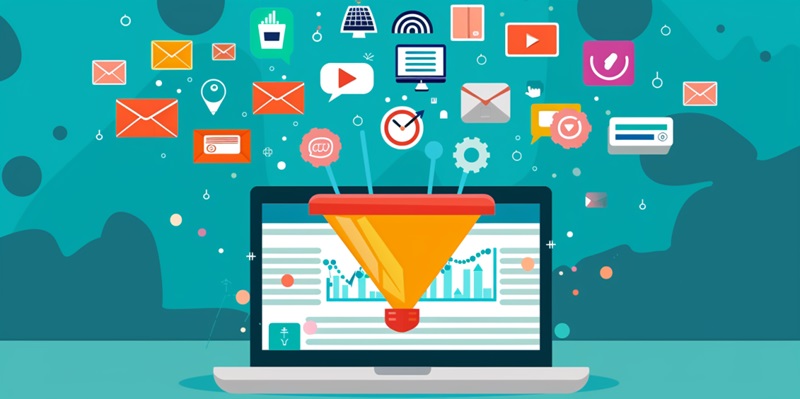
In the fast-paced digital age, e-commerce has become a fiercely competitive sphere, demanding innovative approaches to transform casual site visitors into loyal customers. Emma and Nealey, through GoDaddy’s “Transforming Your Sales: Marketing Funnels 2024”, provide a comprehensive guide for small businesses aiming to leverage marketing funnels for increased sales efficacy. This instructional series demystifies the journey from brand awareness to purchase, steering businesses towards success in the online marketplace.
Understanding the Marketing Funnel Framework
The Importance of First Impressions in E-commerce
The initial interaction with an e-commerce website can make or break a customer’s perception of a brand. Creating a welcoming and informative entry point is vital to sustaining interest and fostering trust. This can be achieved through an aesthetically pleasing design, intuitive navigation, and clearly communicated value propositions. Emma and Nealey drive this point home, asserting that the power of a positive first impression can set the tone for the entire customer journey.
Navigating Through Funnel Stages
The marketing funnel is more than a concept; it’s a roadmap to customer engagement. Each stage — awareness, consideration, decision, and retention — serves as a step towards cultivating a committed customer base. By dissecting and optimizing each level, businesses can effectively nurture leads, paving the way for increased conversions. The series systematically breaks down the strategies best suited for each stage, illuminating the path to conversion optimization.
Kickstarting the Customer Journey: Awareness Phase
Harnessing Targeted Marketing Strategies
Capturing the attention of the right audience hinges on targeted marketing strategies. SEO empowers businesses to appear in front of customers actively seeking their solutions, while social media creates opportunities to build relationships and engage with potential buyers. Paid advertising propels this further through precision-targeted campaigns. Emma and Nealey provide actionable insights on how these tools can be synergized to elevate a brand’s presence during the awareness phase.
Creating a Connection with Content
Content is the cornerstone of the consideration phase. Educative and engaging content like how-to guides, thorough reviews, and product comparisons serves a dual purpose: it informs the customer and subtly weaves in the advantages of a product. This stage is crucial for building trust and setting the groundwork for a sale, and Emma and Nealey elucidate the nuances of crafting content that connects and converts.
The Crucial Decision Stage
Streamlining the Buying Process
A streamlined purchasing process is key to driving sales. Clarity in pricing, an effortless checkout experience, and a secure payment gateway are fundamental. To reduce shopping cart abandonment, the series suggests strategies like exit-intent pop-ups and cart saving features, which complement the checkout flow. Follow-up communication is equally important, as Emma and Nealey illustrate, to re-engage customers who are on the fence.
Leveraging Promotions and Discounts
Promotions and discounts can be the tipping point in the decision stage, tipping the scale in favor of a purchase. Coupled with strategic follow-up communication, these incentives can turn a hesitant browser into a buyer. The series emphasizes the importance of well-timed discounts and personalized offers as effective tools to close the sale, underscoring their impact on conversion rates.
Leveraging Technology for Funnel Optimization
Tools for Building an Effective Funnel
Constructing an effective funnel involves various tools that align with a business’s sales strategy. The series recommends a variety of e-commerce platforms and email marketing software, vital for initiating and maintaining contact with customers throughout their journey. Analytics tools are highlighted for their ability to glean insights into customer behavior, affording businesses the ability to tailor their funnels for optimal performance.
Embracing AI and Automation
AI and automation are transforming how marketers tailor customer experiences and manage communication. By predicting behaviors and personalizing recommendations, these technologies facilitate a more efficient and impactful customer journey. Emma and Nealey explore the disruptive capabilities of these tools, illustrating how they provide a competitive edge by automating tasks that free marketers to focus on strategy and growth.
Implementing Funnel Strategies for Growth
Increasing Conversion Rates and Business Scalability
A robust marketing funnel isn’t just a pathway to conversion; it’s a growth engine for businesses. High conversion rates and scalability come from refining sales processes and customer experiences. The GoDaddy series champions this concept, explaining how a strong funnel alleviates the need for constant hands-on intervention, allowing for sustainable business expansion.
Preparing for the Future of E-Commerce
In today’s digital era, the battle to win over online shoppers is intense. Emma and Nealey’s “Transforming Your Sales: Marketing Funnels 2024” offers invaluable insights for small businesses eager to harness the power of marketing funnels to turn website visitors into dedicated customers. Presented by GoDaddy, this in-depth tutorial series breaks down the customer acquisition process, clarifying how to generate brand recognition and ultimately drive sales. It’s an essential tool for any small enterprise seeking to flourish in the digital marketplace by mapping out a clear pathway from initial awareness to final purchase decision. This program is specifically crafted to guide business owners, step-by-step, in refining their marketing strategies to better align with the customer’s journey, ensuring they stay competitive and prosper in the online retail environment.