

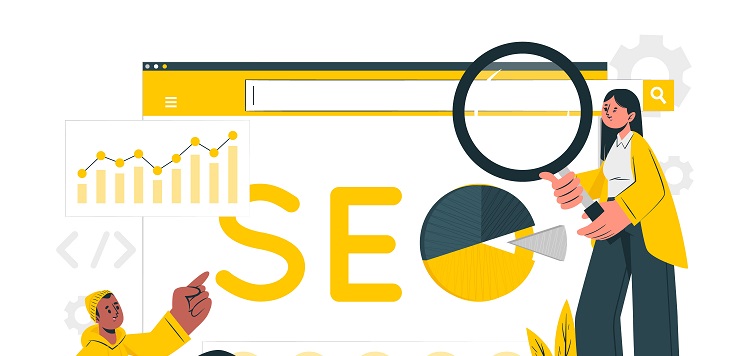
Search engine optimization (SEO) is an ever-evolving field, and staying ahead of the curve can mean the difference between success and failure for your website. One critical component of any successful SEO strategy is high-quality media. Images, graphics, and other forms of media can make your content more engaging, improve your search engine ranking, and increase your organic traffic. In this article, we will explore the importance of high-quality media in on-page SEO and discuss how you can use it to improve your website’s performance.
The Importance of High-Quality Media in an On-Page SEO Strategy
In today’s digital age, users have high expectations when it comes to the quality of the media they consume. A poorly designed website with low-quality images and graphics will likely turn off potential visitors, leading to a higher bounce rate, lower dwell time, and diminished engagement. On the flip side, a website with high-quality media will attract visitors who are more likely to stay longer, engage with your content, and share it with others. This is why high-quality media is a critical component of any on-page SEO strategy.
The Role of Next-Generation Media in On-Page SEO for Improving Search Engine Results Page (SERP) Rankings
In 2023, next-generation media, including high-quality images and graphics, will be essential to improving your search engine results page (SERP) rankings. To achieve a high ranking, you need to optimize your media to be visually appealing and to load quickly. By doing so, you make your content more attractive to both search engines and users, elevating your website’s position on SERPs.
Utilizing media to rank for competitive keywords in short-form video SERPs
Short-form videos are increasingly popular, which presents a unique opportunity for SEO. By creating high-quality and engaging videos, you can rank for competitive keywords on video SERPs. To achieve this, you should ensure that your videos are well-optimized for search engines, include high-quality visuals, and use text that is easy to read.
Building organic backlinks is a vital part of an overall SEO strategy
While high-quality media can improve your website’s on-page SEO, it is not the only factor to consider. Backlinks are another critical component of your overall SEO strategy, as they help improve your site’s discoverability. Backlinks occur when other websites link back to your content, indicating to search engines that your content is high-quality and trustworthy.
The Role of Backlinks in Improving Site Discoverability and Performance on Search Engine Results Pages (SERPs)
Backlinks can make or break your SEO strategy. A link from a reputable and high-authority website will boost your search engine ranking, while a link from a low-authority site can harm it. Think of backlinks as a vote of confidence in your website. The more high-quality backlinks you have, the better your website will perform on search engine results pages (SERPs).
The Importance of High-Quality Backlinks as a Vote of Confidence for a Website
Not all backlinks are created equal. High-quality backlinks come from reputable and relevant websites. These links indicate to search engines that your content is trustworthy and relevant, which can help improve your SERP ranking. Conversely, low-quality backlinks can harm your website’s ranking, and it’s best to avoid them at all costs.
Infographics as the Best Content for Building Organic Backlinks
When it comes to building organic backlinks, one form of media stands out above the rest: infographics. Infographics are eye-catching, easy to read and understand, and can be readily shared on other websites. This makes them an ideal way to get backlinks and improve the discoverability of your website on search engines.
The growing trend of visual search and its impact on SEO
More and more users are turning to visual search to find what they’re looking for online. As a result, optimizing your images and graphics has become essential for SEO. To succeed in this area, you need to ensure your media is labelled correctly, easily searchable, and well optimized for search engines.
The Significance of Well-Optimized Images in SEO
Lastly, it is worth noting that search engines like Google reward well-optimized images. By optimizing your images for search engines, you can improve your website’s ranking, drive more traffic to your site, and ultimately increase your revenue.
In conclusion, high-quality media should be a primary consideration for your on-page SEO strategy. By creating engaging and visually appealing content, optimizing it for search engines, and building high-quality backlinks, you can improve your website’s discoverability and ranking on search engine results pages (SERPs). So, make sure to invest in high-quality media and optimize it for SEO – it could make all the difference in the success of your website.