

In the competitive landscape of digital marketing, the art of capturing and converting leads is continuously evolving. Today’s savvy marketers harness the power of a full-funnel PPC (Pay-Per-Click) strategy, a precise method that not only attracts potential customers but also ushers them through every phase of their purchase journey. This strategy is designed to ignite initial interest and shepherd customers all the way to the point of conversion—ensuring that no lead is left behind and laying the foundation for a long-term customer relationship. Understanding and employing a full-funnel PPC approach has become vital in the quest to achieve maximal impact from advertising efforts.
Understanding the Marketing Funnel
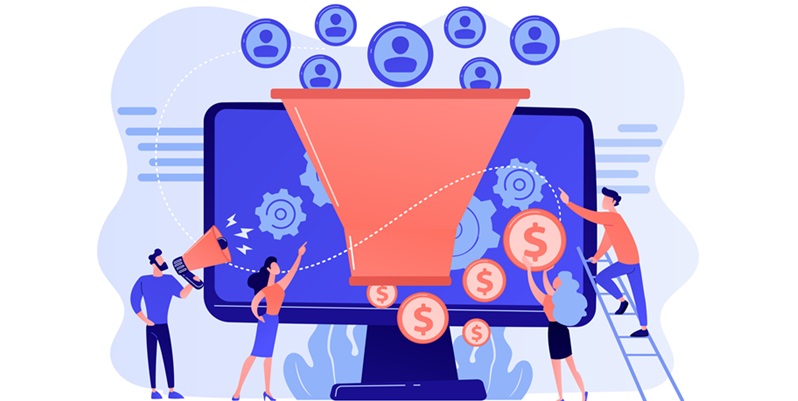
The marketing funnel is a roadmap of the consumer’s journey, encompassing the three pivotal stages of Awareness, Consideration, and Conversion. At the outset, during the Awareness stage, potential customers become acquainted with a brand, often knowing little about what it offers. It’s a crucial moment to make a mark—a point of first impressions. This leads to the Consideration phase, where interest is piqued, and consumers actively seek information to satisfy their needs. The funnel culminates in Conversion, where informed consumers finally take the leap to purchase. Each stage demands a unique approach in messaging, channel choice, and delivery to connect with consumers effectively. Genuinely understanding this path is instrumental in deriving the full benefit from PPC campaigns.
Tailoring PPC Campaigns to the Funnel Stages
Success in PPC hinges on delivering ad experiences resonant with the audience’s funnel stage. For those at the Awareness stage, it’s about casting a wide net with hit-or-miss potential. Display and video campaigns are ideal for making that first visual or emotional connection with a broad audience. As customers venture into the Consideration phase, the focus shifts to engaging content that fills the informational gaps. It’s not just about visibility anymore—search campaigns and detailed video ads come into play, providing substance to support consumers’ research. In the home stretch, the Conversion phase, finely-tuned campaigns are the closer. Here, precision targeting and a strong call to action work together to reel in consumers, transforming interest and intention into tangible action.
The Pitfall of One-Stage Focus and the Full-Funnel Edge
Many businesses, especially those with tight budgets, erroneously zero in on conversion-focused campaigns. While this may produce immediate revenue, it shortsightedly overlooks the long-term growth and brand development benefits that are ripe for picking at the upper funnel stages. Full-funnel engagement is the holistic solution, offering the edge needed to not just boost short-term sales but also to expand and nurture the customer base. This is about recognizing the value of each interaction, from the first impression to the last click, ensuring that customers are accompanied at every step with tailored marketing efforts that cater to their evolving needs.
Budget Allocation Across the Funnel
Allocating budget across the various stages of the funnel can seem intimidating. Nevertheless, by thoroughly assessing customer journey data, such as conversion rates at different stages, businesses can make informed decisions on where to invest their advertising dollars. This strategic allocation enables marketers to strike a balance between securing immediate conversions and investing in the groundwork necessary for long-term growth. It’s about ensuring that each dollar spent maximizes both current revenue and future potential—allowing the marketing funnel to flow efficiently and effectively.
Beyond the Click: Nurturing Leads and Growing the Customer Base
A click is only the beginning. The real triumph of a full-funnel PPC strategy is in nurturing those leads down the funnel, increasing both the volume and loyalty of the customer base. With campaigns tailored for Awareness, Consideration, and Conversion, every level of interaction is covered—encouraging prospects not just to take notice but to engage, trust, and eventually commit. Such a comprehensive approach enables businesses to both attain immediate conversions and construct a formidable, engaged audience that underpins sustainable growth over time. This relentless focus on guiding each lead through every phase of the marketing funnel is what ultimately maximizes the PPC impact, transforming an ordinary advertising strategy into a dynamic engine for business success.