

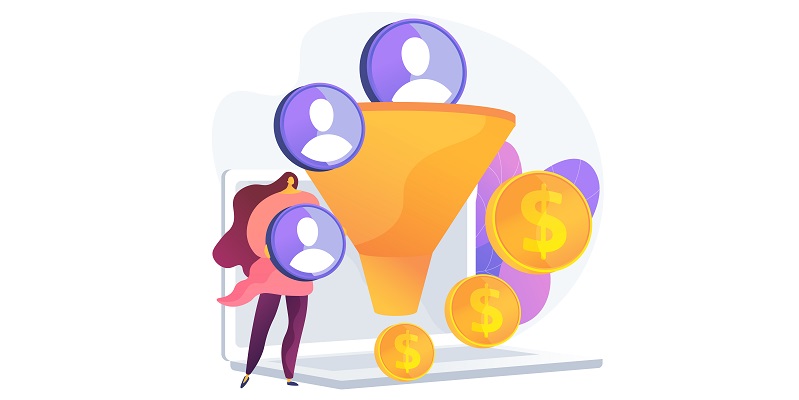
The marketing funnel is a strategic framework that visualizes the customer’s journey from initial awareness to final purchase. It provides marketers with a systematic approach to engage and convert potential customers into loyal brand advocates. By understanding the different stages and objectives of the marketing funnel, businesses can better tailor their strategies to meet customer needs at each step.
Explanation of the different stages of the marketing funnel
At the top of the funnel, the awareness stage, potential customers become acquainted with a product or brand’s existence. This can be achieved through various marketing channels, such as advertising, content marketing, social media, and word-of-mouth. The key objective here is to capture the attention of the target audience and make them aware of the unique value proposition the brand offers. Once potential customers are aware, they move to the interest stage. Here, they seek more information to evaluate whether the product or service aligns with their needs. Marketers can capitalize on this stage by enticing potential customers with engaging content, such as informative blog posts, videos, and product demonstrations. The primary goal is to nurture the interest and establish a positive perception of the brand.
Consideration stage
During the consideration stage, prospects actively evaluate the product or service. They compare it with competitors and weigh the benefits, pricing, and reviews. To sway potential customers in their favor, businesses must provide in-depth product information, highlight its unique selling points, and offer compelling incentives such as free trials or discounts. The objective is to build trust and convince prospects that your offering is the best choice for their needs.
Intent stage
Intent indicates a strong interest in making a purchase. This is where leads are converted into customers. At this stage, marketers need to optimize the conversion process, eliminating any barriers that may hinder the purchase decision. This could involve providing an intuitive user experience, a streamlined checkout process, transparent pricing, and exceptional customer support. The objective is to make the purchasing experience as seamless as possible to encourage a final decision.
Purchase stage
The purchase stage is where the conversion takes place. It marks the culmination of the marketing funnel, where customers commit to buying the product or service. Businesses must ensure that the purchase process is smooth and hassle-free, offering secure payment options and prompt delivery. Additionally, personalized post-purchase communication, such as order confirmations and thank-you emails, can nurture customer satisfaction and loyalty.
Post-purchase engagement
Post-purchase engagement focuses on ensuring customer satisfaction, gathering feedback, and encouraging repeat purchases. Marketers should leverage post-purchase touchpoints to engage with customers, addressing any concerns and resolving potential issues promptly. This proactive approach not only improves the overall customer experience but also helps to establish long-term relationships and generate positive word-of-mouth referrals.
Advocacy stage
Delighted customers become advocates who promote the brand to others, leave positive reviews, and contribute to brand loyalty. Businesses need to nurture these relationships by offering opportunities for customers to engage and share their positive experiences. This can be achieved through loyalty programs, referral incentives, and social media campaigns. Advocacy ultimately leads to increased brand credibility, organic growth, and a loyal customer base.
Importance of each stage and its objectives
Each stage of the marketing funnel plays a crucial role in guiding potential customers towards conversion. By understanding the objectives associated with each stage, businesses can tailor their strategies to address specific customer needs at different points in their journey. A well-executed funnel strategy enables marketers to create a seamless customer experience, maximize conversion rates, and drive revenue growth.
Tactics and strategies for each stage
To effectively navigate each stage of the marketing funnel, marketers can employ a range of tactics and strategies. These may include targeted advertising campaigns, informative content creation, personalized email marketing, social media engagement, optimized landing pages, and A/B testing. By constantly refining and adapting tactics, businesses can optimize their funnel strategies to meet changing consumer demands and preferences.
The role of online channels in the marketing funnel
Online channels have opened up new opportunities for customer interaction and data collection, allowing marketers to track and analyze every touchpoint. Digital platforms such as websites, social media, email marketing, and online advertising have become essential tools for driving awareness, engaging prospects, and driving conversions. Online channels also facilitate real-time communication, personalized experiences, and data-driven insights that enhance the overall effectiveness of the marketing funnel.
Online channels enable tracking and analysis of customer interactions
Online channels provide marketers with powerful tracking and analytics capabilities. Through website analytics, marketers can gain insights into user behavior, track conversions, and measure the effectiveness of different funnel stages. Additionally, advanced tools allow for tracking ad impressions, click-through rates, and engagement metrics, providing valuable data for optimizing marketing efforts. This data-driven approach empowers businesses to make informed decisions, identify areas for improvement, and allocate resources effectively.
The impact of data collection on improving the marketing funnel
Data collection plays a pivotal role in refining and improving the marketing funnel. Through the systematic collection and analysis of customer data, businesses can gain a deeper understanding of customer preferences, behaviors, and pain points. This valuable information enables marketers to personalize their messaging, tailor offers, and optimize the customer experience. In turn, this leads to higher engagement, increased conversions, and improved customer satisfaction.
A well-designed marketing funnel strategy is vital for business success in today’s competitive landscape. By understanding and effectively implementing the different stages of the marketing funnel, businesses can attract, engage, and convert potential customers into loyal advocates. With the advent of online channels and data-driven insights, marketers have unprecedented opportunities to optimize their strategies, improve customer experiences, and ultimately drive revenue growth. Implementing a holistic approach to the marketing funnel is essential for businesses to stay relevant, maximize their marketing efforts, and achieve long-term success.