

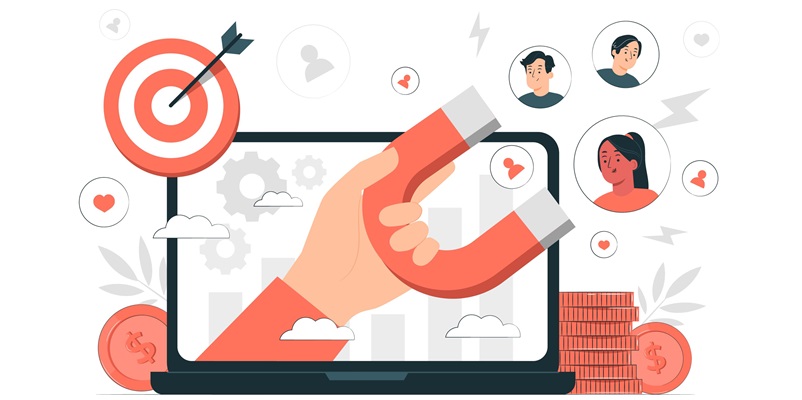
Lead generation in 2024 marks a paradigm shift where technology and customer-centricity converge to redefine how businesses attract and nurture prospects. With the relentless advances in AI and a market that dictates privacy, personalization, and efficiency, the compass for lead generation points toward methods that are not just innovative but also responsive to the sophisticated demands of modern consumers. This article delves into the key tactics businesses will leverage to gather and foster leads, uncovering a landscape where tailored experiences and ethical data practices reign supreme.
The Advent of Hyper-Personalization in Lead Gen
The personal touch in lead generation is now powered by high-octane fuel, cutting-edge CRMs integrated with layers of external data sources. Gone are the days of relying solely on basic demographics. In 2024, businesses craft customer profiles with unprecedented precision—profiles that assimilate purchasing habits, online behavior, and even lifestyle choices. This hyper-personalization engine harnesses AI and dynamic content, delivering real-time user experiences that are not just personalized but are as fluid and adaptable as the consumers themselves.
Hyper-personalization is not just about gathering data, it’s about predicting the next step of a lead. Leveraging AI’s prowess, every interaction becomes an opportunity to delve deeper into a consumer’s psyche, customizing the journey down the sales funnel with such finesse that conversions seem more like destiny than a decision.
AI Chatbots and Virtual Assistants: The Front Liners of Interaction
AI chatbots and virtual assistants have stepped out of their support roles to become leading players in the lead generation arena. They’re the new digital concierges, guiding prospects with personalized finesse that rivals human interaction. As consumers engage with these sophisticated AI agents, each conversation is analyzed, adapted, and refined to match the unique communication style and preferences of the individual.
Abandoning the one-size-fits-all script, these AI-driven mavens navigate the nuances of human interaction, discerning tone, sentiment, and urgency to generate leads, nurture prospects, and elevate the customer experience to unprecedented heights. Continuous learning underpins their evolution, ensuring that with each interaction, these virtual assistants become more adept at converting casual visitors into committed leads.
The Role of Content in Modern-Day Lead Generation
In the fast-paced digital scrolls of 2024, content must catch the eye and capture the mind within moments. Micro-content emerges as a knight in shining armor—bite-sized, potent, and perfect for the waning attention spans of today’s consumers. It’s quick to consume, easy to share, and incredibly effective at generating leads that crave knowledge without the barrage of verbosity.
Meanwhile, interactive content like quizzes and polls injects a dose of entertainment into the lead generation process, enchanting users in an exchange of information that feels less like a transaction and more like a trance. The clever data collection hidden behind these engaging mechanisms offers businesses insights that were once cloaked in the shadows of guesswork.
AI-Enhanced Content Personalization at Scale
Scaling personalized content without compromising its relevance has long been the Gordian knot of marketers. As 2024 dawns, AI emerges as the sword that slices through this complexity. The automated creation and distribution of content, immaculately tailored to the preferences of each customer segment, signify a revolution in lead generation, propelling engagement and conversion rates skyward.
User-generated content, in particular, has transformed into a treasure trove. It’s a form of social proof that businesses can’t fabricate, carrying a level of authenticity and trust that cuts through the noise of branded messaging. The potent combination of AI-crafted and consumer-created content catalyzes a brand’s lead generation strategy, energizing it with the power of personal and peer-endorsed narratives.
Navigating the Shift Toward Privacy and Transparency
Data privacy and transparency aren’t just regulatory checkboxes; they’ve become foundational to any effective lead generation strategy. As businesses grapple with tighter data laws, the era of zero-party data—data that consumers willingly share—is upon us. It’s the gold standard in a market that values consent, rewarding transparency with trust and conversion.
The shifting sands of consumer preference lean away from invasive marketing tactics, tilting the scales in favor of permission-based lead generation. These emerging approaches are built upon the bedrock of respect for privacy, drawing leads through an ethical gravity that magnetizes conversions in an increasingly conscious marketplace.
Advancements in Account-Based Marketing (ABM)
ABM’s doctrine of tailored campaigns for high-priority leads isn’t new, but 2024 sees it reborn, its effectiveness magnified through the lens of AI-driven predictive analytics. By wielding data with precision, businesses illuminate the path to high-value prospects with the accuracy of a laser, ensuring marketing resources yield the highest returns.
The precision of identifying and targeting high-potential leads not only streamlines efforts but also amplifies the resonance of personalized messaging. As ABM strategies mature, infused with smart technology, their propensity to convert and retain metamorphoses from hopeful ambition to practical realization.
Value-Driven Marketing: The Core of Lead Generation
Standing out in the bustling marketplace of 2024 requires businesses to present themselves as not merely vendors but as veteran problem solvers. Consumer-first marketing pivots on creating value-laden, insightful content that addresses pain points with surgical precision, proffering actionable insight and palpable solutions.
Harnessing the power of data and AI to refine messaging caters to individual consumer preferences and stages of the buyer’s journey. It’s this keenly tuned orchestration of content and technology that sways decisions, engendering connections that germinate into leads, and ultimately, a thriving customer base.
The Role of Outbound Marketing Agencies in 2024’s Lead Gen Landscape
Adapting to the nuances of 2024’s lead generation landscape demands finesse, expertise, and a progressive grasp of technology. Specialized outbound marketing agencies become the linchpins for businesses striving to stay ahead of the curve. Through strategic partnerships with these agencies, companies can harness sophisticated tech-driven strategies seamlessly and efficiently.
With a finger on the pulse of emerging trends and the hand of experience to execute them, these marketing mavens offer businesses the propulsion they need to launch their lead generation strategies into the stratosphere. The advantage doesn’t stop at expertise; it extends to optimizing resources, streamlining campaigns, and ensuring that every marketing dollar spent is a dollar that works harder.