

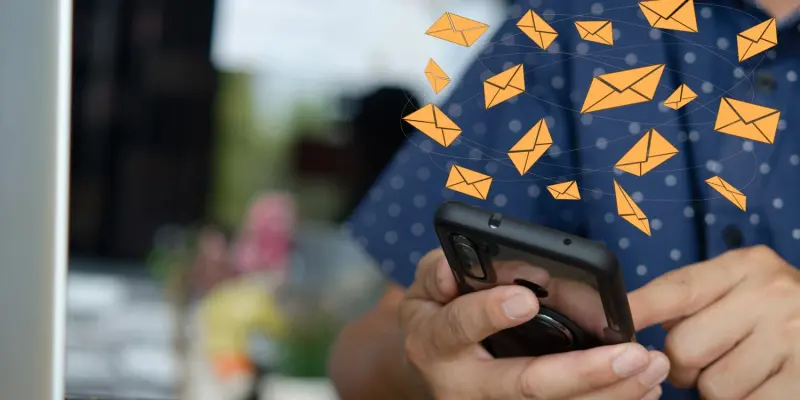
In today’s rapidly evolving digital landscape, SMS marketing has emerged as a critical tool transforming the way brands communicate with their audience. The direct nature of SMS, combined with its impressive engagement statistics, has sparked considerable interest among marketers looking for effective channels to connect with consumers. Unlike crowded email inboxes and highly saturated social media feeds, SMS marketing offers an immediacy that few other mediums can match, positioning it as an essential component in the customer engagement toolkit. As businesses strive to capture consumer attention in real-time, SMS marketing’s unique attributes make it an attractive alternative, potentially redefining interaction standards across the board.
The Rise of SMS Marketing
As conventional marketing channels reach saturation and consumer attention spans dwindle, SMS marketing presents a compelling alternative with remarkable open and response rates that stand out. It has been observed that over 90% of SMS messages are read within minutes, underscoring their efficacy, particularly for campaigns requiring timely engagement. In an environment plagued by information overload, SMS emerges as a refreshing medium, cutting through the noise and delivering content directly to consumers’ mobile devices. Its concise format requires brands to convey important messaging quickly and effectively, a necessity for time-sensitive offers and immediate calls-to-action that other channels struggle to replicate within the same timeframe.
With its ascendancy, SMS marketing gains recognition for addressing the shortcomings of more established marketing methods. The tool’s effectiveness is mirrored by consumer behavior, with a growing majority of individuals opting to receive SMS updates from brands to stay informed. This trend indicates a fundamental shift, as businesses increasingly acknowledge SMS marketing’s pivotal role in enhancing communication strategies. In analyzing these developments, it’s clear that SMS marketing isn’t just a fleeting trend. Its statistically-backed impact demonstrates its importance as a dynamic and powerful means of engagement. As such, organizations must adapt to this shift to remain competitive in an ever-evolving digital marketplace.
Personalized Communication at Scale
The demand for personalized experiences is at an all-time high, with consumers expecting brands to cater messaging to individual preferences and behaviors. SMS marketing embraces this challenge by delivering highly tailored interactions, creating a deeper resonance with target audiences. This capability allows businesses to harness data-driven insights and develop strategically crafted messages that appeal on a personal level, increasing customer satisfaction and fostering long-term retention. In this respect, SMS marketing becomes a powerhouse for businesses seeking to personalize communication at scale, circumventing the broad-stroke approaches characteristic of traditional marketing.
In addition to personalization, SMS marketing taps into consumer engagement by analyzing data intricately to align messages with audience trends. Businesses leverage such insights to orchestrate impactful campaigns that seamlessly fit into customers’ digital lives. This approach shifts away from interruptive advertising, opting instead for meaningful interactions that address consumers’ needs and expectations. By acknowledging the nuances of individual users and tailoring messaging precisely, SMS marketing helps brands build and sustain authentic relationships with their clientele. Therefore, personalized SMS initiatives represent a paradigm shift towards engagement strategies that prioritize empathy and relevance over generic mass communication tactics.
Integrating SMS into Multi-Channel Strategies
The contemporary marketing environment calls for strategies that transcend individual channels, resulting in the increasing need for integration. SMS marketing proves itself as a powerful medium when incorporated into broader, multi-channel approaches. Rather than operating in isolation, SMS complements existing marketing efforts, effectively enhancing touchpoints and providing a seamless customer journey. As businesses pursue comprehensive engagement strategies, integrating SMS allows them to fine-tune interactions, ensuring they add real value to consumer experiences without overwhelming them with surplus information. By utilizing SMS alongside other tools like email and social media, companies can orchestrate campaigns that are not only cohesive but also contextually relevant at every stage of the customer lifecycle. This integrated approach aids brands in optimizing messaging for specific actions, such as using emails for low-intent browsing and SMS for high-priority tasks like cart abandonment reminders. Ultimately, aligning SMS with other communication avenues maximizes the potential for impactful marketing, paving the way for holistic strategies that promote consistent brand narratives and effective customer engagement across multiple channels.
Generating Revenue and Measuring Success
In the fast-paced world of today’s digital era, SMS marketing has become an essential tool, revolutionizing the method in which brands engage with their audience. The straightforward and personal nature of SMS, combined with its outstanding engagement rates, has piqued the interest of marketers seeking effective ways to reach consumers. Unlike the crowded world of email inboxes or the noise of saturated social media platforms, SMS marketing provides an immediacy unmatched by other mediums, making it a vital component of any customer engagement strategy. As businesses endeavor to capture consumer attention instantly, the distinct characteristics of SMS marketing present an appealing option, potentially setting new standards for interaction across various industries. With its ability to deliver messages promptly and effectively, SMS marketing is reshaping the way brands connect with consumers, emphasizing the importance of direct and efficient communication in a time when attention spans are exceedingly short.