

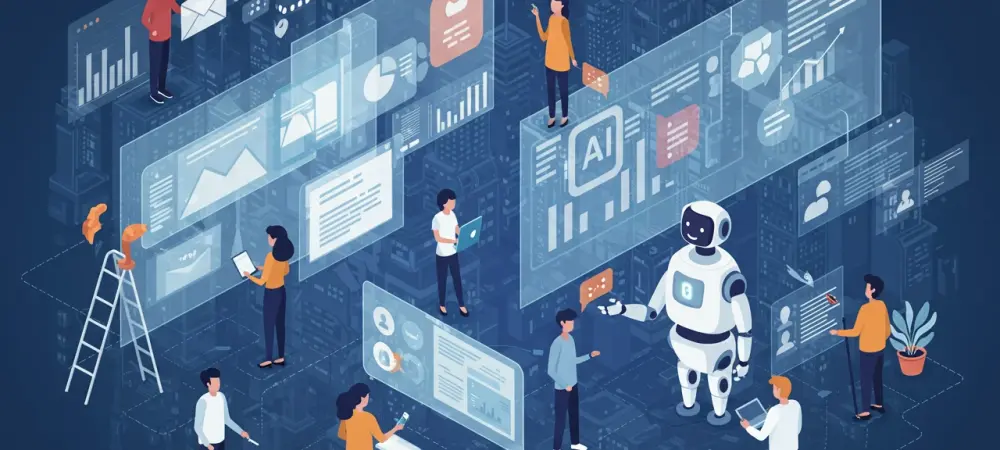
In the dynamic sphere of digital marketing, artificial intelligence (AI) has already carved a substantial niche, fundamentally reshaping how brands engage with consumers. The rapid advancement of AI technologies signifies a pivotal shift, fostering deeper personalization, enhanced predictive analytics, and sophisticated content creation. As industries remain competitive in an ever-evolving landscape, the integration of AI stands at the forefront, promising to refine marketing processes and optimize consumer interactions profoundly.
Current Digital Marketing Landscape
The contemporary landscape of digital marketing is marked by significant technological integration and diversification. This landscape encompasses a variety of platforms and techniques, driven by the relentless pace of innovation. Influential players, from tech giants to nimble startups, contribute to a complex dynamic that fuels continuous evolution. Additionally, the regulatory environment plays a crucial role, impacting marketing practices through evolving policies that dictate data usage and consumer privacy, ensuring that ethical standards are upheld while encouraging growth and creativity.
Trends and Innovations Shaping the Future
Key AI-Driven Trends in Digital Marketing
AI technologies are pushing the boundaries of what’s possible in digital marketing. With advancements like machine learning and natural language processing, brands can tailor experiences to the unique desires of consumers. This shift toward hyper-personalization leverages vast datasets to craft specific content and ads, heightening engagement. As consumer behaviors evolve, AI adapts to emerging patterns, offering innovative opportunities to enhance marketing strategies and drive consumer loyalty.
Data-Driven Insights and Future Projections
The surge in data availability offers unparalleled insight, urging marketers to harness analytics tools for informed decisions. Growth indicators suggest a trajectory of robust advancement, with AI anticipated to play an instrumental role in driving future industry expansion. By examining market performance trends, businesses can forecast growth and pivot strategies, ensuring sustainable progress in rapidly shifting environments.
Challenges and Obstacles in the AI Marketing Ecosystem
Despite its potential, AI’s integration into marketing is not without challenges. Technological limitations still exist, with barriers impeding full optimization. Meanwhile, regulatory landscapes pose ethical and compliance challenges, requiring strategic navigation. Market-driven obstacles can also surface, necessitating thoughtful solutions that balance innovation with responsibility, ensuring that marketing efforts align with emerging norms and populace expectations.
Navigating the Regulatory Environment
Digital marketing is increasingly shaped by significant legal frameworks that dictate operational practices. Compliance with these standards is paramount, affecting how brands manage consumer data and maintain security. The impact of regulatory changes is substantial, requiring marketers to remain agile and informed to effectively adapt strategies and maintain compliance while continuing to cultivate consumer trust.
Future Prospects and Directions in AI Marketing
Technologies in AI continue to emerge, signaling potential industry disruptions. Consumer demands shift toward seamless, smart interactions, propelling AI-driven innovations forward. Investment opportunities abound, particularly in sectors poised for technological integration and disruption. Global economic conditions and regulatory shifts hold a profound influence, with AI marketing strategies poised to capitalize on changing landscapes and usher in new growth avenues.
Conclusion and Recommendations
Reflecting on these insights, it is clear that AI has facilitated a transformation in digital marketing practices. The strategic implementation of AI drove significant advancements, positioning brands to benefit from more efficient targeting and deeper consumer engagement. For sustained growth and innovation, it is essential for businesses to remain proactive, adapting to technological and regulatory changes while exploring new investment opportunities. The future of digital marketing holds the potential for unprecedented expansion, leveraging AI to navigate challenges and maximize opportunities.