

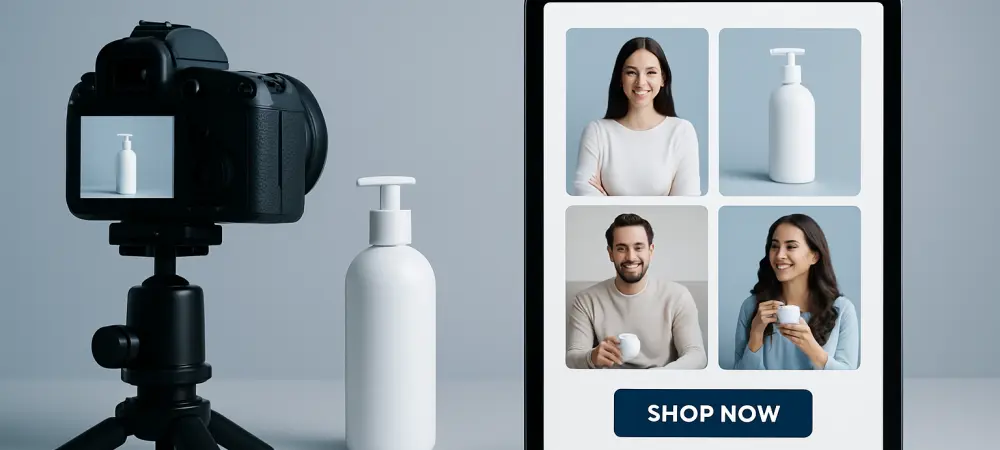
The rapid transformation of the digital advertising sector has reached a critical tipping point in 2026, where the saturation of traditional static ads has forced brands to seek more dynamic ways to capture human attention. As consumer behavior shifts toward a preference for authentic, story-driven interactions, the role of the creator has evolved from a simple endorsement tool into a foundational production powerhouse. With US creator ad spend currently hitting the $44 billion mark this year, the marketplace is no longer satisfied with ephemeral posts that vanish into a feed after twenty-four hours. Instead, the focus has pivoted toward the creation of a “content engine”—a sustainable model where creator collaborations generate a library of high-quality assets designed for long-term paid media deployment.
This shift represents more than a tactical trend; it is a fundamental restructuring of how brand value is communicated to a fragmented audience. By repurposing high-trust creator assets into the structured, swipeable format of a carousel, marketers can effectively bridge the gap between the raw authenticity of social media and the rigorous demands of direct-response advertising. The challenge lies in the execution, as turning an unboxing video or a lifestyle shot into a high-performing ad requires a strategic blend of narrative architecture, legal foresight, and platform-specific optimization. Successfully navigating this transition allows a brand to move away from disposable content and toward a durable media strategy that leverages the inherent credibility of the creator economy to drive scalable, data-driven sales.
Beyond the Post: Unlocking the Real Value of Creator Partnerships
The modern marketing landscape has matured significantly, moving away from the era of one-off influencer “shout-outs” and toward a sophisticated partnership model that prioritizes asset longevity. In 2026, the most successful brands view creator collaborations not as a singular event, but as a strategic procurement of creative material that can fuel multiple marketing channels. This perspective recognizes that the real prize of a partnership isn’t just a temporary spike in engagement or a fleeting trend, but the underlying assets—the testimonials, product demonstrations, and lifestyle imagery—that remain long after the organic post has peaked. By treating creators as a decentralized production team, brands can acquire a diversity of visual perspectives that would be nearly impossible to replicate within a traditional studio environment.
The transition toward this content engine model requires a shift in how marketing budgets are allocated and how success is measured. Rather than focusing solely on the “reach” of a creator’s specific handle, forward-thinking marketers are now evaluating the “yield” of the content itself. This involves assessing how well a creator’s aesthetic aligns with the brand’s visual identity and whether the assets produced are versatile enough to be edited into various ad formats. When a brand secures a library of unboxings, tutorials, and authentic reviews, it creates a formidable foundation for paid media. These assets carry a “trust premium” that traditional advertisements lack, making them the perfect raw material for building carousel ads that resonate with consumers who are increasingly skeptical of polished, corporate-produced content.
Moreover, the longevity of these partnerships ensures that the brand message remains consistent across the entire consumer journey. When a user sees a creator they recognize in a paid carousel ad, it reinforces the message they may have originally encountered on an organic feed, creating a synergistic effect that drives higher conversion rates. This approach also allows for better cost efficiency; the investment in a single creator campaign can be amortized across months of paid media spend. By strategically transforming organic buzz into a scalable sales machine, brands are able to maintain a constant presence in the market without the constant need for expensive, from-scratch creative production.
Why Sequential Storytelling Is the Future of Paid Media
The shift from an organic post to a paid carousel requires a fundamental change in narrative perspective, moving from a single-point interaction to a multi-stage experience. Unlike a single image or video ad that offers only one opportunity to capture a conversion, a carousel provides an interactive narrative arc that can mirror the complexity of the consumer’s decision-making process. This format is uniquely positioned to handle the nuances of the 2026 consumer journey, which often involves multiple touchpoints and a need for deep validation before a purchase is made. Creator content naturally lends itself to this sequential approach because it captures the various emotional and functional stages of brand interaction, from the initial “hook” of a lifestyle shot to the final “proof” of a successful product demonstration.
Interactive storytelling through carousels allows a brand to guide the viewer through a logical progression of ideas. While the first card might focus on an emotional or aesthetic hook to stop the scroll, subsequent cards can delve into the specific features of a product, address common pain points, or provide social proof through creator testimonials. This structure respects the user’s intelligence and curiosity, offering them more information with every swipe. By repurposing creator assets in this way, brands move away from a “push” mentality and toward a “pull” strategy where the consumer chooses to engage further with the narrative. This interaction creates a psychological “buy-in” from the user, as the act of swiping represents a voluntary commitment to learning more about the brand.
Furthermore, sequential storytelling offers a unique solution to the problem of content fatigue. In a digital environment where users are bombarded with thousands of messages daily, a narrative that unfolds across multiple cards feels more like a conversation than a broadcast. It allows for a more detailed explanation of complex products that cannot be adequately described in a single frame. For example, a beauty brand can use a carousel to show a creator applying a product in real-time, followed by close-ups of the texture, and ending with a side-by-side comparison of the results. This logical flow builds a compelling case for the product, leveraging the creator’s authenticity to make each step of the narrative feel credible and relatable to the target audience.
Breaking Down the Anatomy of a High-Performance Carousel
A winning carousel ad functions like a well-paced short story, with every card serving a specific purpose in the narrative architecture. Instead of presenting a random gallery of images, brands should organize creator assets to lead the viewer through a deliberate journey. This typically starts with a “Contextual Hook”—a high-impact lifestyle image or a provocative video clip that forces the user to pause. Once the attention is secured, the “Functional Details” cards take over, utilizing tutorials, close-up shots, or “how-to” segments to explain the product’s value proposition in clear, relatable terms. The penultimate cards should focus on “Validation,” using testimonials or social proof to remove any remaining barriers to purchase, before the final “Conversion” card provides a sharp, undeniable call to action.
Before the ad can be built, however, a rigorous pre-production asset audit is essential to ensure every piece of content is ready for the paid stage. Because organic content often relies heavily on the specific personality of a creator or a trending audio track, each card in a paid carousel must be capable of communicating its value even when stripped of its original context. This means checking for visual hierarchy to ensure the product is the focal point, verifying that the lighting is consistent across the sequence, and confirming that assets can be cropped to the necessary 1:1 or 9:16 ratios without losing critical information. Each card must be able to stand alone as a coherent piece of marketing while contributing to the overall strength of the collective narrative.
Matching the carousel structure to specific campaign objectives is the final step in this anatomical breakdown. The sequence of cards should shift based on what the brand wants the customer to do next. For top-of-funnel awareness, the focus should remain on high-energy hooks and brand personality. For mid-funnel consideration, the carousel should prioritize detailed product demonstrations and “before-and-after” sequences that solve specific problems. Finally, to maximize conversion, the strategy must include card-level relevance, where each “Shop Now” button leads the user directly to the landing page for the specific product featured on that card. Implementing unique tracking parameters for every card allows marketers to identify exactly which creator asset is driving the most revenue, enabling granular optimization that was previously impossible with static formats.
Securing the Foundation: Legal Rights and Compliance
The logistical reality of repurposing content for advertising is governed by the complexities of US Copyright Law, which dictates that the creator generally owns the visual work unless a specific agreement is in place. Many brands fall into the trap of assuming that a “sponsored post” fee covers all future uses, but in 2026, such oversights can lead to expensive legal disputes and brand safety risks. To secure the foundation of a carousel ad strategy, brands must move beyond informal agreements and secure explicit “Paid Usage Rights.” These contracts should be highly granular, specifying the duration of the license, the specific geographic regions, and the exact digital channels—such as Meta, TikTok, or even emerging platforms like Spotify—where the content will be deployed as an ad.
Compliance with the Federal Trade Commission is another critical pillar of a successful carousel strategy. Even when creator content is repurposed into a paid format, the material connection between the brand and the creator must remain transparent to the consumer. This transparency is not just a legal requirement; it is a vital component of maintaining the “halo effect” of the creator’s credibility. If a consumer feels misled by an ad that appears to be purely organic, the trust built by the creator is instantly evaporated. Clear advertising disclosures ensure that the brand remains in good standing with regulators while also signaling to the consumer that the brand values honesty and professional integrity in its marketing efforts.
The agreement must also include rights to modify or adapt the content to fit the technical requirements of various platforms. As carousels evolve, they often require different aspect ratios or text overlays to be effective in a paid environment. Securing the right to crop a video, adjust the color grading, or add a brand logo ensures that the creator’s original work can be optimized for performance without infringing on their moral or legal rights as an artist. By establishing a comprehensive legal framework early in the partnership, brands can build a vast, compliant creative library that serves as a long-term competitive advantage in a crowded digital marketplace.
Strategies for Optimization and Long-Term Management
The final stage of a successful repurposing strategy involves moving beyond the launch and into a phase of constant, iterative testing. Marketers should experiment with the internal variables of the carousel to find the most effective combination of assets. This includes testing “The Hook” to see which initial creator image stops the scroll best, or “The Order” to determine if putting a testimonial at the beginning of the sequence performs better than putting it at the end. In 2026, the volume of content available allows for high-velocity testing, where brands can quickly identify if a three-card or six-card sequence is more effective for their specific target audience. This data-driven approach transforms the carousel from a static ad into a living, evolving piece of media.
Adapting assets for diverse ad environments is also essential as the carousel format expands into new digital spaces. Modern carousels are no longer limited to social feeds; they are appearing in places like Spotify’s “Now Playing” view and TikTok’s “Spark Ads” ecosystem. Each of these environments has unique technical constraints and user behaviors that must be respected. For instance, on platforms where users are primarily listening, visual assets must communicate their message with extreme speed and clarity. Adapting creator content to fit these specific constraints—while maintaining the native, authentic feel that made the content successful in the first place—is the key to achieving cross-platform success and maximizing the return on investment.
Long-term management of these assets requires a centralized system where creative and performance data are unified. By analyzing which creator assets consistently perform well across different carousels, brands can develop a “creative blueprint” for future collaborations. This allows the marketing team to provide creators with better briefs, ensuring that the next round of content is even more effective for paid media. The goal is to create a virtuous cycle where data from the carousel ads informs the creative process, and the resulting content drives even higher performance in the next campaign. This systematic approach ensures that the brand’s media strategy remains resilient and adaptable in an ever-changing digital landscape.
The transition toward a carousel-first strategy successfully repositioned creator content as a core pillar of performance media rather than a peripheral social experiment. By systematically securing legal rights, brands eliminated the risks that once hindered large-scale asset repurposing. The implementation of narrative architecture transformed static galleries into interactive journeys that respected consumer intelligence and drove deeper engagement. Marketers realized that the most effective way to scale was to treat every creator asset as a modular component in a larger sales engine. The final shift occurred when data-driven testing was applied to the internal sequences of the ads, allowing for a level of optimization that traditional formats simply could not match. As the digital marketplace continued to fragment, the ability to turn organic authenticity into a structured, swipeable sales tool became the defining characteristic of a market-leading brand.