

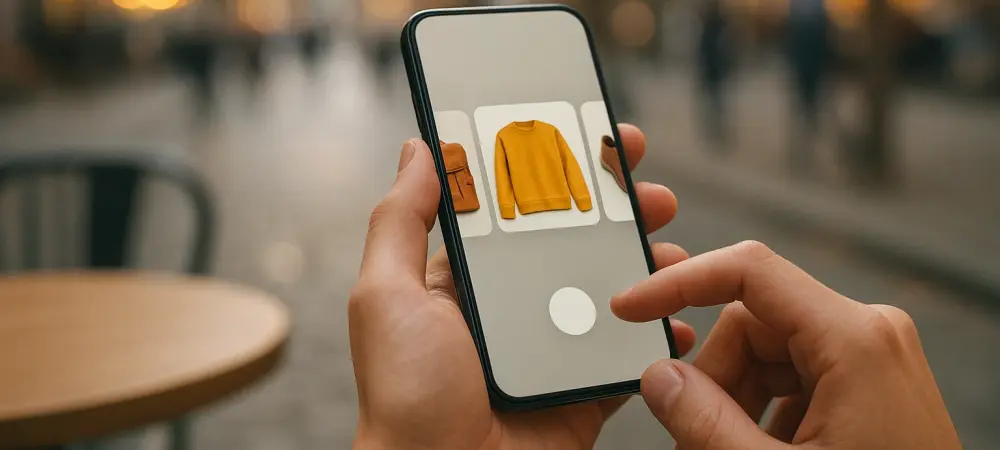
The vibrating alert within a consumer’s pocket currently represents the most direct and psychologically powerful communication channel available to the modern brand, yet its efficacy relies entirely on a delicate balance of permission and value. In 2026, the average individual interacts with a mobile device hundreds of times per day, creating an environment where the lock screen has become the ultimate frontier for commercial attention. However, this proximity brings a high risk of perceived intrusion, as consumers treat their text message inboxes with a level of sanctity far exceeding that of their email accounts or social media feeds. The challenge for contemporary marketing professionals lies in navigating this intimate space without triggering the immediate defensive response of an opt-out or a spam report. As digital noise reaches an all-time high, the ability to deliver a message that feels like a service rather than a solicitation defines the most successful strategies currently in operation across the retail and service sectors. This research addresses the fundamental tension between the high-priority nature of mobile notifications and the commercial objective of driving conversion. Because a text message is typically read within ninety seconds of receipt, the stakes for every character sent are significantly elevated compared to traditional digital marketing mediums. The study investigates how brands can leverage this immediacy while respecting the boundaries of the consumer, ensuring that the brand remains a welcomed guest on the mobile device rather than an uninvited nuisance. By analyzing the intersection of consumer psychology, legal compliance, and emerging automation technologies, this exploration seeks to define a framework for high-engagement messaging that sustains long-term customer loyalty.
The significance of this investigation is underscored by the current saturation of traditional digital channels where algorithm changes and overflowing inboxes have diminished the visibility of standard promotional content. In contrast, Short Message Service (SMS) and its modern successors provide a clear, unobstructed path to the user, provided the content remains relevant and timely. The focus remains on identifying the specific strategic levers—such as timing, personalization, and conversational flow—that transform a simple notification into a high-value interaction. As mobile-first behavior becomes the standard for global commerce, understanding the mechanics of high-engagement SMS marketing is no longer an optional skill but a core requirement for any enterprise aiming to remain competitive in the 2026 digital economy.
Precision and Trust: The Core Pillars of Modern SMS Strategy
The central theme of modern mobile engagement is the transition from broad-spectrum broadcasting to precision-targeted communication. In the current landscape, the most effective marketing strategies are those that prioritize the quality of the connection over the quantity of the messages sent. This approach is driven by the realization that mobile users have become increasingly protective of their personal digital space, leading to a “zero-tolerance” environment for irrelevant content. The research identifies trust as the primary currency in this exchange; once a consumer grants a brand the privilege of entering their text inbox, that brand carries the burden of maintaining that trust through every subsequent interaction. Failure to do so results in a swift termination of the relationship, often through a permanent opt-out that is difficult to reverse.
Balancing the intrusive nature of push notifications with the goal of high conversion requires a deep understanding of consumer intent and context. Unlike social media scrolling, which is a passive activity, receiving a text message is an active disruption of the user’s current task. Therefore, the commercial objective must be framed within a context of utility, providing the user with information or opportunities that are immediately beneficial. The study suggests that high conversion rates are not a product of aggressive sales tactics, but rather the result of “just-in-time” messaging that aligns with the user’s current needs or behaviors. This strategic alignment reduces the friction of the notification and positions the brand as a helpful assistant rather than a distant advertiser.
Moreover, the strategy must account for the psychological weight of the mobile notification light. Because users have been conditioned to associate text alerts with personal and urgent matters, the appearance of a brand on the lock screen carries an implicit promise of importance. When a brand fails to deliver on this promise by sending generic or low-value content, the resulting disappointment creates a negative brand association that can persist long after the notification is cleared. Modern SMS strategy, therefore, treats the lock screen as a high-value asset that must be protected through rigorous content filtering and strategic restraint. The goal is to ensure that every message sent is one that the customer would be genuinely disappointed to miss.
The Mobile-First Imperative and the Evolution of Digital Messaging
The shift toward a mobile-first existence has fundamentally altered the trajectory of digital communication, moving the center of gravity away from the desktop and toward the handheld device. This evolution is not merely a change in hardware but a profound transformation in how information is consumed and acted upon. In 2026, the smartphone is the primary interface through which consumers manage their professional lives, social interactions, and purchasing decisions. Consequently, the research highlights that any marketing strategy not centered on the mobile experience is inherently flawed, as it fails to meet the consumer where they are most active. This mobile-first imperative dictates that communication must be concise, actionable, and formatted for immediate consumption.
The background of this research is rooted in the declining efficacy of traditional email marketing, which has seen a steady erosion of open rates and engagement as filters become more sophisticated and users become more overwhelmed. In contrast, SMS marketing has emerged as a resilient alternative, offering a direct line of communication that bypasses the clutter of the promotional tab. The evolution of digital messaging has also been influenced by the rise of instant messaging apps and the expectation of real-time interaction. Consumers no longer view digital communication as a delayed exchange but as a live dialogue, a shift that has forced brands to move away from static, one-way blasts and toward dynamic, responsive engagement models.
The importance of this research extends beyond the marketing department, impacting the broader field of customer experience and brand management. In a society where attention is the most scarce resource, the ability to successfully capture and hold a consumer’s focus through their most personal device is a significant competitive advantage. This study is relevant to the field of digital sociology as much as it is to business, as it explores the changing boundaries between public commerce and private digital life. By examining the evolution of these messaging standards, the research provides a roadmap for how organizations can adapt to a world where the speed of communication continues to accelerate and the expectations for relevance continue to rise.
Research Methodology, Findings, and Implications
The investigation into high-engagement SMS marketing required a multi-layered approach to account for both the technical and behavioral aspects of the medium. To ensure a comprehensive understanding of the current state of the industry, the research integrated quantitative data with qualitative strategic analysis. This structure allowed for an exploration of not only what works in terms of metrics but also why certain strategies succeed while others fail in the modern mobile environment.
Methodology
The research methodology was built on a foundation of rigorous data analysis, utilizing industry benchmarks from the 2026 marketing cycle to identify high-performing campaigns across various sectors. This involved the systematic collection of delivery data, interaction rates, and conversion metrics from thousands of distinct SMS campaigns. By categorizing these campaigns based on their primary objectives—such as promotional, transactional, or informational—the study was able to isolate the variables that contribute most significantly to user engagement. The use of large-scale data sets provided a statistically significant view of how message length, timing, and the inclusion of rich media impact the consumer’s willingness to interact with a notification.
In addition to performance data, the research included a deep analysis of compliance frameworks, specifically focusing on the Telephone Consumer Protection Act (TCPA) and the General Data Protection Regulation (GDPR). These legal structures were analyzed not merely as hurdles to be cleared but as strategic pillars that define the boundaries of ethical engagement. The methodology also incorporated an evaluation of AI-driven predictive modeling, which is increasingly used to determine optimal send times and content variations for individual users. By examining how these models interact with real-world consumer behavior, the research sought to validate the efficacy of machine learning in reducing notification fatigue and increasing the relevance of each message.
Finally, the study utilized a series of controlled experiments to test the impact of two-way conversational automation versus traditional one-way broadcasts. This involved the use of advanced natural language processing tools to simulate customer-brand dialogues and measure the resulting changes in brand sentiment and purchase intent. These experiments were designed to reflect the technical capabilities available to brands in 2026, ensuring that the findings remain applicable to the current technological landscape. The integration of these various tools and approaches provided a holistic view of the SMS marketing ecosystem, from the technical backend to the final user experience.
Findings
The most significant discovery of the research is the identification of the “Physical Notification” cycle, a phenomenon where the haptic or auditory alert of a mobile device triggers an almost involuntary physical response from the user. This cycle is responsible for the staggering 98% open rate that continues to characterize SMS marketing in 2026. However, the findings indicate that this high open rate is a “vanity metric” unless it is accompanied by meaningful action. The data shows a widening gap between messages that are simply opened and those that drive true engagement, suggesting that consumers have developed a sophisticated ability to quickly dismiss low-value alerts without fully processing the content.
A major shift identified in the findings is the transition from one-way broadcasts to automated two-way conversational marketing. The research indicates that brands that enable and encourage replies see a 40% higher retention rate compared to those that use SMS purely as a megaphone. This discovery highlights the consumer’s growing expectation for interactive experiences; when a user receives a text, they increasingly expect to be able to respond with questions or requests, much as they would with a contact in their personal life. The ability of a brand to manage these individual interactions at scale—primarily through the use of sophisticated AI agents—has become a primary driver of high-performance engagement.
Furthermore, the research found that the traditional “blast” approach to timing is becoming increasingly ineffective. The data suggests that engagement rates are highest when messages are triggered by specific user actions or environmental factors rather than a pre-determined schedule. For example, a text sent in response to a cart abandonment or a local weather event often sees double the interaction rate of a general promotional message. This finding reinforces the importance of context and relevance over sheer volume, proving that the most successful marketers are those who use data to “whisper” at the right moment rather than “shouting” to a broad audience.
Implications
The implications of these findings are profound for the future of digital strategy, suggesting that the era of mass-market SMS is effectively over. Instead, the results point toward a future of “ruthless editing,” where the value of a campaign is measured by what is left out rather than what is included. By transforming SMS from a perceived nuisance into a high-value service, brands can create a sustainable competitive advantage that is resistant to the noise of other channels. This transformation requires a shift in mindset where every text is viewed as a limited resource that must be spent wisely to avoid depleting the user’s patience and goodwill.
Strict adherence to compliance frameworks also carries significant practical implications, moving beyond legal protection to become a primary trust-building tool. The research demonstrates that brands that are transparent about their data usage and provide frictionless opt-out processes actually experience lower churn rates over time. This paradox suggests that by giving consumers more control over their mobile experience, brands can foster a deeper sense of security and loyalty. Compliance should therefore be viewed as a central component of the creative process, ensuring that the brand’s presence on the mobile device is always seen as a legitimate and authorized interaction.
The move toward conversational models implies that the role of the marketer is evolving from a content creator to a conversation designer. This shift requires new skills in dialogue management and AI orchestration, as the focus moves from crafting a single perfect message to building an intelligent system capable of millions of unique, helpful interactions. The implications for organizational structure are significant, as the divide between marketing and customer support begins to blur in the mobile space. In the 2026 to 2028 period, the most successful organizations will be those that integrate these functions to provide a seamless, text-based customer journey that spans the entire lifecycle of the relationship.
Reflection and Future Directions
The process of conducting this research revealed both the immense potential of SMS and the significant technical hurdles that remain for practitioners. Reflecting on the data collection and analysis phases, it became clear that the mobile landscape is in a constant state of flux, requiring a highly adaptable approach to strategy. The challenges encountered during the study highlighted the limitations of current tracking technologies and the need for a more nuanced understanding of how consumers interact with their devices in different contexts.
Reflection
One of the primary reflections from this study is the inherent difficulty in accurately tracking “opens” within the SMS ecosystem. Unlike email, where tracking pixels provide a reliable measure of engagement, SMS open rates are often inferred from delivery reports and subsequent click behavior. This technical limitation suggests that while the 98% open rate is a useful benchmark, it may lead to an overestimation of actual consumer attention. The research team overcame this challenge by pivoting to Click-Through Rate (CTR) and conversion attribution as the primary engagement metrics, providing a more grounded view of the channel’s actual commercial impact. This shift in focus revealed that a high open rate does not always correlate with a successful campaign, particularly if the content fails to provide a clear and compelling next step.
The study also encountered challenges in accounting for the vast differences in carrier regulations and technical standards across different global markets. What constitutes a high-engagement message in the United States may be perceived differently in European or Asian markets due to varying cultural norms around mobile privacy. While the research was expanded to include some international data, the findings remain most applicable to markets with established mobile-first retail behaviors. This highlights an area where future research could be broadened to explore how localized cultural expectations shape the effectiveness of SMS automation and conversational design. The realization that there is no “one-size-fits-all” approach to global SMS strategy was a significant outcome of the reflective process.
Additionally, the research highlighted the tension between personalization and privacy. While the data suggests that hyper-personalized messages drive higher engagement, there is a point at which personalization becomes “creepy” or overly intrusive. Finding the precise boundary between a helpful recommendation and an unsettling display of data knowledge was a complex task. The study concluded that the most successful personalization is that which feels helpful and intuitive rather than analytical. Reflecting on this, it is clear that the future of the medium depends on the brand’s ability to act with emotional intelligence, using data to enhance the human experience rather than just to optimize a conversion funnel.
Future Directions
Looking toward the 2026 to 2028 horizon, the transition from standard SMS to Rich Communication Services (RCS) represents the most significant opportunity for further exploration. RCS promises to bring the features of modern messaging apps—such as high-resolution media, interactive carousels, and native payment processing—directly into the default texting app. Future research should focus on how these rich features change the physical notification cycle and whether they lead to higher sustained engagement or simply more notification fatigue. The ability to complete an entire transaction within the message thread is a potential game-changer that deserves a dedicated longitudinal study to measure its impact on long-term consumer behavior.
Another critical area for future investigation is the role of Agentic AI in managing the shift toward “one-to-one” relationships at scale. As AI agents become more autonomous and capable of handling complex reasoning tasks, the potential for truly personalized, multi-turn conversations grows exponentially. Questions remain about how consumers will react to these agents over time and where the human-in-the-loop remains necessary to maintain brand authenticity. Exploring the ethical and practical boundaries of AI-led mobile engagement will be essential as brands move toward more automated customer lifecycles. The opportunity to study the intersection of generative AI and mobile messaging is currently one of the most exciting frontiers in marketing research.
Finally, the impact of “notification-free” modes and digital well-being features on mobile devices presents a challenge for future researchers. As operating systems provide users with more tools to silence or batch their notifications, the window of opportunity for brands to reach the lock screen may shrink. Investigating how brands can earn “priority” status within these systems—similar to how close friends and family are treated—will be vital for the continued viability of the channel. Future studies could explore the specific behaviors that lead a consumer to whitelist a brand, ensuring that the brand’s messages are delivered even when the user is in a focused or quiet mode. This research would bridge the gap between technical optimization and human-centric design.
Synthesis: Mastering the Art of the Lock Screen
The findings of this research emphasized that success in SMS marketing was not achieved through the volume of messages but through the surgical precision of their delivery and content. It was determined that the unique power of the lock screen demanded a level of discipline that many brands were previously unprepared to exercise. The data showed that by prioritizing trust, transparency, and two-way dialogue, high-performing teams were able to transform a simple notification into a catalyst for significant commercial growth. The study demonstrated that the 98% open rate was a responsibility rather than a guarantee, requiring a constant commitment to providing tangible value in every interaction. Compliance with legal standards was identified as a strategic asset that helped to clear the path for these high-value interactions by removing the friction of mistrust.
The investigation into the 2026 digital landscape indicated that the future of engagement lay in the move away from static, one-way communication. It was observed that the most successful strategies were those that integrated advanced AI to create a sense of personal connection, even at a massive scale. The shift toward RCS and conversational commerce was shown to be the logical next step in the evolution of the mobile-first imperative, allowing brands to offer a frictionless experience that met the user’s needs in real-time. The research concluded that the brands that mastered the “art of the lock screen” were those that treated the mobile device as a tool for service rather than just a platform for advertising. This perspective was validated by the higher retention and conversion rates seen in brands that moved toward this service-oriented model.
To move forward, organizations must adopt a set of actionable strategies that reflect these insights. First, it is essential to audit current SMS practices to ensure that every message sent provides a clear, immediate benefit to the recipient. Second, brands