

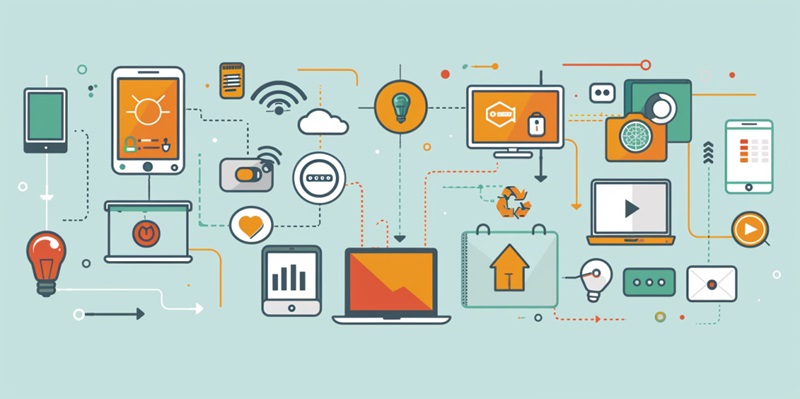
The digital landscape is continuously evolving and with it, marketing tactics are undergoing a profound transformation. The Internet of Things (IoT), a burgeoning network of connected devices, has paved the way for a new era in marketing, marked by unprecedented levels of personalization and real-time interaction. This shift is redefining how brands engage with their audience, tailor messages, and foster loyalty.
The Advent of Contextual Marketing
Personalization Through Real-Time Data
With the IoT ecosystem thriving, devices now effortlessly collect, analyze, and transmit data, serving as a goldmine for marketers aiming to personalize their communications. Smartphones, wearables, home appliances, and even cars can all deliver insights into consumer behavior, preferences, and needs. This data flow enables marketers to push beyond generic, one-size-fits-all strategies towards truly personalized messaging. By leveraging IoT data, marketing efforts can now guarantee relevance, arriving not only at the right time but also in the most fitting context, increasing the chances of conversion and enhancing the overall customer experience.
Enhanced Consumer Experiences
Smart devices have the potential to redefine the customer journey by offering tailored suggestions and solutions at precise moments of need. For example, a smartwatch that tracks physical activity could provide timely discounts on nutrition products or a personalized workout regimen. These devices are not only delivering data to marketers but also acting as a channel themselves, fostering a more interactive and responsive relationship between consumer and brand. This heralds a shift from interruption to intervention, where marketing feels less like an intrusion and more like a valuable service woven into the fabric of daily life.
Responsibility and Trust in IoT Marketing
Navigating Privacy and Data Security
The proliferation of IoT devices and the sensitive data they handle puts privacy and security at the forefront of consumer concerns. Marketers must navigate this new terrain with caution, ensuring that they prioritize ethical data practices. Transparency in how data is collected, used, and protected is crucial. Fostering an environment of trust is not optional; it is a foundational element that underpins the successful integration of IoT in marketing strategies. Effective security measures and openly communicated privacy policies are essential to preserve and enhance consumer trust.
Sustainable Consumer Relationships
In the dynamic realm of digital marketing, strategies are continually reshaped, and the rise of the Internet of Things (IoT) has been a game-changer. The expansion of interconnected devices sets the stage for marketing strategies that are significantly more personalized and interactive than ever before. This revolution is altering the way brands interact with consumers by enabling them to deliver tailored messages with incredible precision and initiate engagement in real time.
The implications of IoT in marketing are far-reaching. Brands now have the ability to collect and analyze data from a plethora of smart devices, providing insights into consumer behavior that were previously unattainable. With this level of understanding, marketers can design campaigns that resonate deeply on an individual level, potentially increasing conversion rates and building stronger customer loyalty.
As the IoT continues to grow, it’s clear that marketing efforts must be agile and forward-thinking to leverage the full potential of this digital transformation. By tapping into the power of IoT, marketers can create a more engaging, responsive, and ultimately successful brand experience. Adapting to this shift isn’t just beneficial; it’s becoming essential for brands seeking to thrive in an increasingly connected world.