

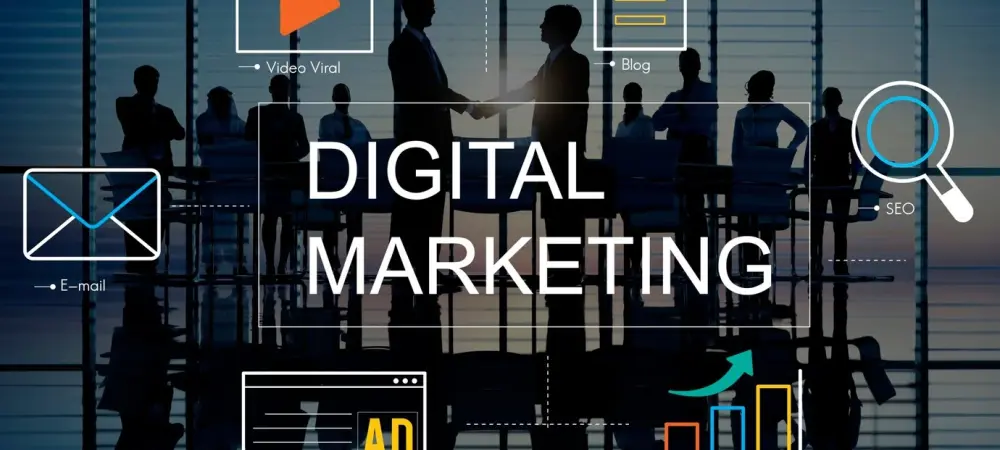
The transformation of digital marketing is influencing economic efficiency within business sectors. This marketing approach goes beyond traditional promotional tactics, integrating sophisticated techniques such as precision targeting and AI-driven analytics. These advancements enhance productivity by optimizing resource allocation and streamlining operations. Insights from industry experts highlight the vital role digital marketing plays in providing competitive advantages, especially for smaller companies. Leveraging cost-effective platforms ensures they compete effectively without excessive infrastructure investment. This shift underscores the growing importance of digital strategies in shaping economic landscapes.
Overview of Digital Marketing’s Role in Economic Efficiency
Digital marketing is deeply embedded in modern business operations, revolutionizing strategies that drive economic growth and enhance productivity. Companies now harness digital marketing to maximize reach and efficiency, reducing costs while expanding opportunities. The integration of technology within marketing practices allows businesses to refine their approaches, adapt to consumer demands, and forecast market trends accurately. Various sectors benefit significantly from digital innovations, leading to increased revenue streams and elevated economic performance. Key players have continuously embraced digital marketing to pioneer industry-leading advancements. Economic growth spurred by digital marketing stems from technological advancements that facilitate rapid communication and personalized engagements. Platforms such as social media and SEO have democratized the marketing sector, affording smaller enterprises the ability to compete with established entities. By minimizing operational costs through digital channels, companies significantly enhance their ROI. This economic impact extends beyond individual business gains, contributing to broader economic efficiency and growth. As digital marketing embeds itself further into the economic fabric, its transformative influence continues to expand.
Trends and Future Outlook in Digital Marketing
Key Trends Influencing the Industry
Modern digital marketing trends emphasize precision targeting through AI integration, driving personalized consumer experiences. The adoption of artificial intelligence within marketing strategies allows businesses to predict and meet consumer needs swiftly, translating into increased economic efficiency. Shifts in consumer behavior have bolstered the rise of cost-effective platforms, encouraging more personalized marketing efforts. These transitions reflect an evolving landscape where data-driven approaches are paramount. As companies increasingly prioritize engagement and personalization, marketing efforts become more strategic, fostering sustained growth and consumer loyalty. Precision targeting is now a cornerstone of effective digital marketing, catering to consumer preferences and anticipating market shifts. With the aid of AI, marketers craft bespoke content, ensuring relevancy and enhancing engagement. The preference for personalization leads to a deeper understanding of consumer patterns, aiding in the crafting of tailored marketing strategies. Such precision alleviates wastage, ensuring resources align with targeted goals. As these trends continue to shape marketing efforts, further innovation stands poised to redefine industry norms.
Market Data and Projections
The digital marketing industry is characterized by robust growth trajectories, reflecting its integral role in economic advancement. Statistical analyses reveal upward trends in investment returns, highlighting the effectiveness of digital strategies. According to recent projections, marketing innovation is set to continue reshaping industries through efficient resource utilization and targeted consumer outreach. These trends suggest sustained momentum toward greater economic efficiency. Moreover, emerging opportunities within the sector promise further expansion and enhancement of marketing practices. Forecasts indicate continued expansion in digital marketing pursuits, providing businesses with a chance to refine models and optimize strategies. As the landscape evolves, firms are encouraged to harness analytical tools for real-time insights, enhancing demand forecasting and market penetration. Such projections reflect a future rich in potential for both established enterprises and emerging players. By capturing these opportunities, businesses enhance economic viability and ensure sustained competitive advantages.
Challenges and Strategic Solutions in Digital Marketing
The digital marketing sector faces technological, regulatory, and market-driven challenges that impact economic efficiency. Companies navigating the digital landscape contend with evolving technologies, necessitating adaptive strategies for seamless integration. Regulatory constraints, particularly concerning data privacy, require careful attention and compliance, influencing marketing practices and consumer trust. Market pressures demand innovative solutions to maintain relevancy and efficacy amidst fierce competition. Addressing these challenges is crucial for maintaining economic momentum and ensuring robust marketing performance. Strategic solutions to overcome barriers in digital marketing focus on agile adoption of emerging technologies. Implementing adaptive frameworks allows organizations to remain responsive to industry shifts, thereby optimizing economic outcomes. Compliance with regulatory standards ensures ethical marketing while safeguarding consumer trust, an essential factor for sustained engagement. By employing predictive models and refining data-driven strategies, businesses can effectively manage costs and streamline operations. These efforts ensure marketing initiatives contribute actively to broader economic efficiency.
Regulatory Framework and Its Impact
Digital marketing’s expansion introduces a complex regulatory landscape that affects industry practices. The increasing emphasis on privacy standards and data ethics demands compliance with evolving regulations, impacting marketing strategies and consumer relationships. Companies must navigate these frameworks deftly to maintain trust and foster effective engagement. Regulatory changes influence how data is utilized, requiring careful management and adherence to ethical standards. These considerations shape marketing dynamics, establishing guidelines for responsible practices and consumer interactions. Compliance within the regulatory framework outlines actionable guidelines that inform marketing protocols, ensuring ethical adherence to standards. Privacy regulations impact how businesses collect, store, and utilize consumer data, prompting strategic revisions to marketing approaches. With the landscape continually adapting, businesses are challenged to align their strategies with regulatory requirements, advancing industry norms. The commitment to data ethics fosters trust, enhancing brand integrity and consumer loyalty while driving marketing effectiveness.
Future Directions and Innovations in Digital Marketing
Innovations in digital marketing offer promising avenues for future progression, aligning with emerging consumer trends and industry disruptions. Technologies like AI and machine learning reinforce marketing practices, improving targeting and automation. These developments enhance economic efficiency by fostering strategic outreach and engagement. Emerging disruptors within the sector challenge conventional methods, prompting reevaluation and adaptation to ensure sustained competitive advantages. As digital marketing evolves, innovation harbors the potential to redefine industry paradigms and uplift economic structures.
Future directions highlight the alignment of marketing strategies with consumer demands, leveraging technological advances to optimize performance. The integration of predictive analytics and automation enables marketers to craft targeted experiences and refine engagement techniques. These innovations offer avenues for enhancing marketing efficiencies, fostering economic growth, and improving ROI. As digital marketing adapts to new landscapes, strategic application of emerging technologies ensures businesses remain ahead, embracing dynamic opportunities for advancement.
Conclusion
The report demonstrated digital marketing’s critical role in reshaping economic efficiency through innovative strategies. The transformation in the marketing sector emphasized data-driven approaches that enhanced productivity, allowing companies to optimize resource usage effectively. By integrating AI technologies, firms crafted targeted experiences and personalized outreach, fostering robust consumer engagement. Compliance with regulatory standards ensured ethical practice and strengthened consumer trust in shifting landscapes. As the sector advanced, future directions indicated promising pathways for further innovation, driving sustained economic growth and offering actionable strategies for leveraging digital marketing effectively.