

Diving into the evolving landscape of marketing, I’m thrilled to sit down with Aisha Amaira, a MarTech expert whose deep expertise in CRM marketing technology and customer data platforms has positioned her at the forefront of innovation. With a passion for blending technology with marketing, Aisha has helped countless businesses uncover critical customer insights through cutting-edge tools. In this conversation, we explore how AI is reshaping marketing from traditional campaigns to continuous, conversational engagement, the impact of emerging trends like social commerce, and the pivotal role of data in unlocking AI’s true potential.
How do you see marketing evolving from traditional campaign-based models to more continuous, interactive approaches?
I think we’re witnessing a fundamental shift. Traditional campaigns were often about pushing out a message at a specific time, hoping to catch the right audience. But with AI and real-time tech, marketing is becoming a constant dialogue. It’s about being present where customers are, responding to their needs as they arise, rather than orchestrating a one-off blast. This continuous approach mirrors how we interact in real life—think of a trusted local shopkeeper who remembers your preferences and chats with you regularly. Technology now allows us to replicate that on a massive scale, staying engaged with customers through every touchpoint.
Why do you believe the old campaign model struggles to keep up with today’s technological advancements?
The old model was built for a time when we didn’t have the tools to personalize at scale or react in real time. Campaigns were static, based on broad assumptions about customer segments, because that’s all the tech could handle. Now, with AI and advanced data platforms, we can tailor interactions dynamically. Sticking to rigid campaigns feels like using a typewriter in the age of smartphones—it just doesn’t match the speed or intimacy that customers expect today. The tech has outpaced the model, and clinging to it limits our ability to truly connect.
What’s your perspective on AI-native marketing being more conversational than broadcast, and how does that look in practice?
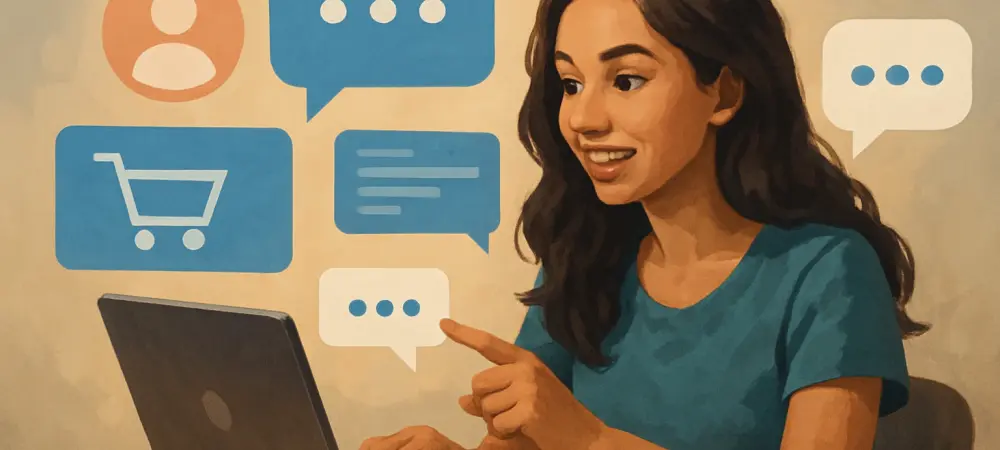
I love this shift. Conversational marketing flips the script from shouting at customers to chatting with them. It’s about creating two-way interactions, whether through chatbots, personalized messaging, or interactive ads. For instance, I’ve seen brands use AI-driven chat interfaces on social platforms where customers ask questions and get tailored product suggestions instantly. It feels less like a sales pitch and more like a helpful conversation, which builds trust. This approach changes the game by making customers feel heard rather than targeted.
Can you share an example of a conversational marketing strategy that’s impressed you?
Absolutely. One brand I worked with integrated an AI chatbot into their social media ads. Instead of directing users to a static landing page, clicking the ad opened a chat window where the bot asked about their preferences—say, for a skincare product—and offered customized recommendations on the spot. It even remembered past interactions to refine suggestions. The engagement rates were through the roof because it felt personal, not like a generic ad. It’s a perfect example of meeting customers where they are with a human-like touch.
How are trends like agentic search transforming the way customers discover products?
Agentic search is a game-changer. Unlike traditional search, where you get a list of links to sift through, agentic search delivers AI-generated summaries or direct answers, often predicting what you need before you fully articulate it. For marketers, this means less control over the discovery narrative—your brand might not even appear as a clickable link. Instead, you have to focus on being the trusted source that AI pulls from. It’s pushing us to prioritize credibility and relevance over just SEO rankings, which is a big mindset shift.
What potential do you see in social commerce or live shopping shaping the future of marketing?
Social commerce, especially live shopping, is incredibly exciting. It’s about turning inspiration into action instantly—someone watches a live stream, sees a product they love, and buys it without leaving the platform. I think it’s going to be huge because it taps into the immediacy of social media culture. For marketers, it’s an opportunity to blend entertainment with commerce, creating authentic moments that drive sales. I see it becoming a core channel, especially for younger demographics who already live on these platforms.
Historically, marketers relied on multi-step funnels due to limited real-time data. How has this shaped marketing strategies over time?
That limitation defined marketing for decades. Without real-time data, we had to guess where customers were in their journey, so we built funnels to guide them step by step—awareness, consideration, conversion. It was a logical framework, but it often felt like herding rather than helping. Strategies became rigid, focused on moving masses through predefined stages rather than adapting to individual needs. It worked to an extent, but it also meant missing out on a lot of nuanced customer signals because the data just wasn’t there to act on.
How do you think access to real-time data could change the reliance on traditional funnels?
Real-time data is like giving marketers a live feed of customer behavior. It lets us ditch the guesswork of funnels and respond to what’s happening right now. Imagine knowing instantly when a customer is browsing a product category and offering a personalized nudge at that exact moment. It turns marketing into a fluid, adaptive process rather than a static path. I believe we’ll see funnels fade as data lets us meet customers precisely where they are, making interactions far more relevant and effective.
There’s a view that data, not content creation, is the biggest barrier to effective AI marketing. What’s your take on this?
I completely agree. AI can churn out personalized content at an incredible pace, but if the data feeding it is incomplete or outdated, that content misses the mark. Data is the foundation—without deep, real-time insights into customer behavior, preferences, and context, even the slickest AI-generated campaign falls flat. The challenge isn’t making content; it’s ensuring that content is driven by a clear, accurate picture of who the customer is and what they need right now.
How can marketers tackle data challenges to maximize the impact of AI tools?
First, we need to break down silos within organizations. Data scattered across different systems is useless for AI if it can’t be unified. Investing in customer data platforms that centralize and clean data is key. Second, focus on real-time collection—tools that capture live interactions give AI the freshest insights to act on. Lastly, prioritize privacy and trust. Customers will share data if they feel it’s handled ethically. Building that transparency ensures you have the raw material AI needs to shine.
What’s your forecast for the role of data in the future of AI-driven marketing?
I think data will become the absolute cornerstone of marketing as AI continues to evolve. We’re moving toward a world where every interaction is informed by a holistic, real-time view of the customer. AI tools will get even better at pulling insights from complex datasets, predicting needs before customers even express them. But the winners will be those who master data quality and integration now—without that, AI’s potential stays locked. I see data management becoming as critical to marketing as creativity has been, if not more so.