

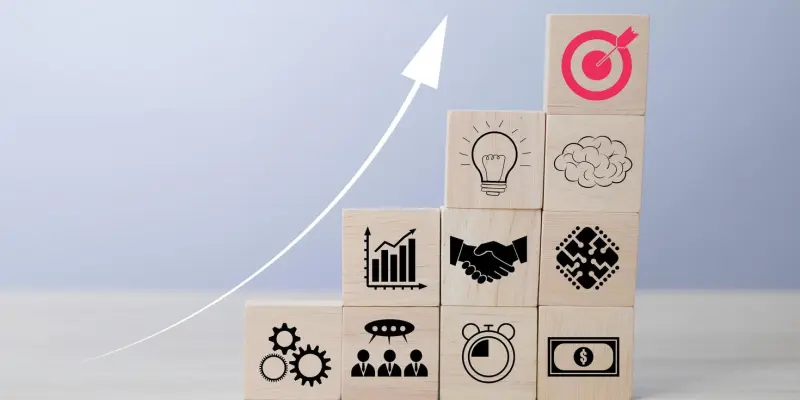
AI is revolutionizing B2B demand generation and marketing campaigns by enhancing efficiency, personalization, and overall effectiveness. This article explores the various ways AI is reshaping the marketing landscape and driving superior results for businesses.
Tailored Customer Experiences
Personalization Through Data Analysis
AI’s ability to process vast amounts of data quickly and accurately allows for the creation of highly personalized customer experiences. By analyzing user preferences, behaviors, and interactions, AI can deliver relevant content and recommendations tailored to individual needs. This level of personalization ensures maximum engagement and conversion rates, as customers are more likely to respond positively to content that resonates with them.
AI tools can sift through customer data, identifying patterns and trends that might not be immediately apparent to human marketers. This means that businesses can create highly targeted campaigns that speak directly to the individual needs and preferences of their customers.
Enhancing Engagement and Conversion Rates
Personalized customer experiences are crucial for driving engagement and conversions. AI tools can segment audiences based on various criteria, such as demographics, past behavior, and online activity. This targeted approach enables marketers to craft messages that speak directly to the needs and interests of each segment, resulting in higher conversion rates and improved ROI.
Refining Recommendations Over Time
By leveraging AI to fine-tune customer segmentation and targeting, businesses can ensure that their marketing efforts are always relevant and impactful.
Predictive Analytics
Identifying High-Potential Prospects
Predictive analytics powered by AI can identify potential clients most likely to convert. By analyzing historical data, AI can predict future behaviors and outcomes, allowing marketers to focus their efforts on high-potential prospects. This targeted approach optimizes marketing spend and enhances ROI by ensuring resources are allocated to the most promising leads.
Optimizing Marketing Spend
AI-driven predictive analytics helps businesses make data-driven decisions about where to allocate their marketing budget. By identifying the channels and strategies that yield the best results, marketers can optimize their spend and maximize their return on investment. This continuous optimization ensures that marketing efforts are always aligned with business goals and objectives.
Intelligent Content Creation
Generating High-Quality Content
AI-powered tools and machine learning algorithms enable the generation of high-quality, SEO-friendly content that resonates with the audience. These tools can analyze trending topics, keywords, and user preferences to create content that drives engagement and establishes brand authority.
Enhancing Visibility and Organic Traffic
By leveraging AI to create and optimize content, businesses can improve their search engine rankings and attract more organic traffic. This increased visibility leads to higher engagement and ultimately, more conversions.
Chatbot-Assisted Demand Generation
Real-Time Customer Engagement
AI-powered chatbots serve as virtual assistants, providing real-time customer engagement and support. These chatbots can answer queries, provide product recommendations, and capture valuable lead information. By offering instant responses and personalized interactions, chatbots streamline the sales funnel and enhance the overall customer experience.
Streamlining the Sales Funnel
Chatbots play a crucial role in streamlining the sales funnel by guiding prospects through the buying journey. They can qualify leads, schedule appointments, and even close sales, all while providing a seamless and efficient experience for the customer.
Automated Email Marketing
Personalized and Timely Campaigns
AI supports the creation of personalized and timely email campaigns that nurture leads and drive conversions. By analyzing customer data and behavior, AI enables the delivery of hyper-targeted emails with dynamic content that adapts to each recipient. This level of personalization enhances engagement and fosters long-term customer loyalty.
Enhancing Engagement and Loyalty
Automated email marketing powered by AI ensures that customers receive relevant and timely communications. This consistent engagement helps build strong relationships and encourages repeat business.
In today’s rapidly evolving digital world, businesses are continuously looking for innovative strategies to maintain a competitive edge. One of the most groundbreaking advancements in recent years is the rise of artificial intelligence (AI). This technology is significantly transforming B2B demand generation as well as marketing campaigns by improving efficiency, enhancing personalization, and boosting overall effectiveness. Companies are leveraging AI to analyze massive datasets, predict customer behaviors, and tailor marketing efforts to individual needs. The integration of AI tools enables marketers to automate repetitive tasks, optimize advertising, and generate valuable insights that fuel smarter decision-making processes. AI’s ability to process information at incredible speeds allows businesses to respond more swiftly to market changes and customer preferences, ultimately driving superior results. This article delves into the myriad ways AI is revolutionizing the marketing landscape, helping companies achieve new heights in their campaigns and ensuring they stay ahead in an increasingly competitive market.