

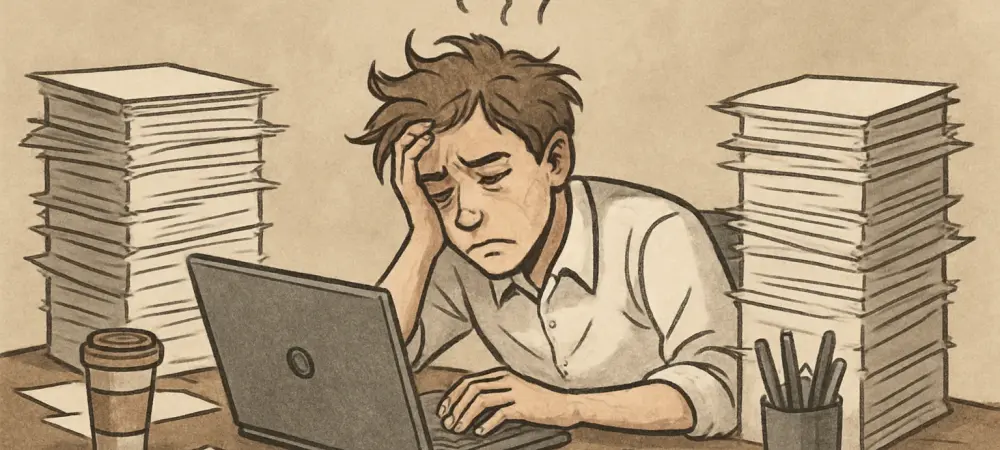
In a busy coffee shop during the morning rush, a barista with heavy eyes and a forced smile hands over a latte without a word of warmth, leaving the customer, who expected a friendly greeting, feeling unnoticed and unlikely to return. This seemingly small moment reflects a deeper, pervasive issue rippling through businesses everywhere: employee burnout. Far from just a personal struggle, burnout is a silent saboteur, eroding the very interactions that build customer loyalty. What lies beneath these strained smiles, and how does it reshape the landscape of customer experience?
The Hidden Weight Behind Every Interaction
Employee burnout isn’t merely a buzzword; it’s a critical business challenge that directly impacts the bottom line. With disengagement costing the global economy $7.8 trillion annually in lost productivity, according to Gallup, the stakes couldn’t be higher. Companies invest millions in technology and marketing to perfect customer experience, yet often overlook the human element at the core. When employees are emotionally drained, their ability to connect with customers falters, turning potential brand advocates into indifferent passersby. This story isn’t just about tired workers—it’s about the survival of customer trust in a hyper-competitive market.
Burnout manifests in subtle yet damaging ways during everyday interactions. A retail associate, overwhelmed by long hours, might skip suggesting a complementary product, missing a sale and a chance to build rapport. In call centers, agents battling exhaustion may rush through complaints without empathy, leaving callers frustrated. These micro-moments accumulate, chipping away at the foundation of customer satisfaction and revealing burnout as a systemic threat rather than an isolated issue.
Burnout’s Direct Hit on Customer Connections
The pathways through which burnout undermines customer experience are both clear and costly. Emotional exhaustion strips employees of the capacity to offer genuine care, a cornerstone of memorable service. Imagine a hotel concierge too drained to personalize a guest’s stay—such interactions leave customers feeling like transactions rather than valued individuals. Research from McKinsey underscores how negative workplace behaviors, often tied to burnout, disrupt the quality of service delivery.
High turnover, another byproduct of burnout, further compounds the problem. When employees leave, the continuity of customer relationships breaks, and businesses face replacement costs estimated at 1.5 to 2 times an employee’s salary. New hires lack the familiarity and trust built over time, often leading to inconsistent experiences. Additionally, burnout stifles innovation, as mentally taxed workers focus on survival rather than brainstorming ways to exceed customer expectations. Each of these effects creates a domino effect felt by every client.
Real Voices, Real Impact
Data paints a grim picture: only 21% of employees are engaged at work, per Gallup, while 95% of HR leaders cite burnout as a top retention challenge, according to a Kronos/Future Workplace study. These numbers aren’t abstract—they reflect lived realities. A store supervisor at a mid-sized retailer recalled, “One of my top performers went from charming every customer to barely speaking. Regulars stopped coming, and sales dropped noticeably.” Such stories bring the issue to life, showing how burnout reshapes customer perceptions.
Expert analysis adds weight to these anecdotes. Insights from firms like McKinsey highlight that disengaged employees struggle to uphold brand promises, directly affecting loyalty metrics. In industries where personal touch defines success, such as hospitality or retail, the absence of enthusiasm becomes a glaring flaw. These combined perspectives—raw data, personal accounts, and professional studies—reveal burnout as a tangible drag on goodwill, far from a mere theoretical concern.
Leadership’s Role in Breaking the Cycle
Tackling employee burnout demands more than sympathy; it requires strategic action from leadership. CEOs and managers must see employee well-being as integral to customer experience, not a side issue. Framing burnout as a business risk akin to supply chain disruptions or tech failures shifts the priority. With 70% of team engagement tied to managerial style, per Gallup, training leaders to spot and address stress becomes non-negotiable. This mindset positions employee health as a competitive edge.
Practical interventions can start small but yield big results. Anonymous surveys uncover hidden pain points, while open dialogues normalize discussions about workload. Reframing productivity to value outcomes over hours worked helps, as does introducing sustainable policies like flexible schedules. A tech company’s adoption of “no-meeting Fridays” led to a reported uptick in creativity and morale. These steps, though incremental, rebuild the bridge between employee vitality and customer delight.
Turning Challenges into Opportunities
Looking back, the journey through understanding burnout’s impact revealed a stark truth: exhausted employees couldn’t sustain the warmth and energy customers craved. Each strained interaction, from a curt response to a missed opportunity, etched a lasting mark on brand perception. The data and stories shared underscored that this wasn’t a minor hiccup but a structural flaw demanding attention.
Moving forward, businesses must act decisively to protect both their workforce and their clientele. Diagnosing burnout through regular check-ins, investing in manager development, and tying employee engagement scores to customer satisfaction metrics offer a roadmap. Celebrating small wins with recognition can reignite passion without breaking budgets. Companies like Starbucks, with initiatives such as mental health support, have proven that prioritizing employees pays dividends in loyalty. The path ahead lies in weaving well-being into the fabric of strategy, ensuring every smile at the counter is genuine and every customer feels truly seen.