

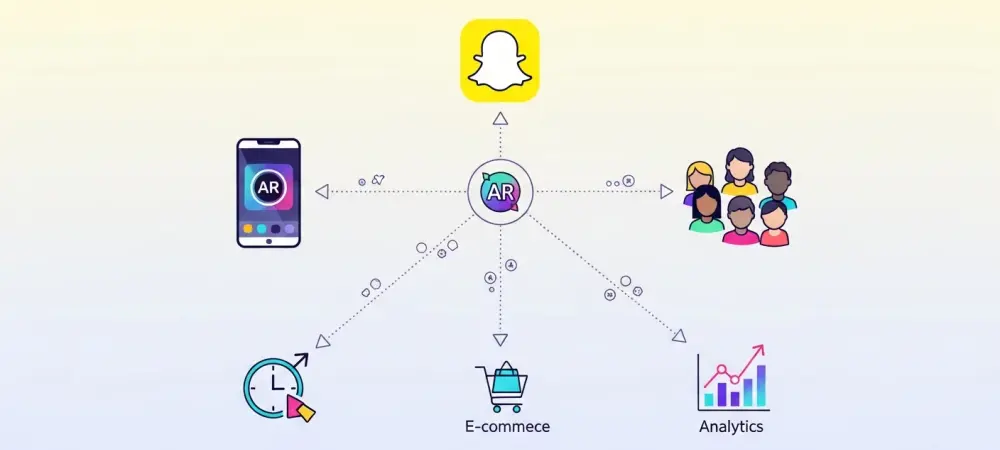
Navigating the rapidly shifting digital landscape of mid-decade requires a nuanced understanding of how augmented reality and ephemeral communication have fundamentally redefined the consumer-brand relationship across global markets. As of 2026, Snapchat has solidified its position as the premier destination for immersive storytelling, moving far beyond its origins as a simple photo-sharing application. The platform now functions as a comprehensive ecosystem where spatial computing and social interaction converge, offering brands unprecedented opportunities to engage with Gen Z and Gen Alpha demographics. Success in this environment is predicated on a brand’s ability to transition from passive advertising to active utility, providing value through interactive experiences that exist in the physical and digital realms simultaneously. With over 800 million monthly active users, the scale of the platform necessitates a data-driven approach that prioritizes high-fidelity visual assets and seamless integration into the daily habits of a tech-native audience. By leveraging the specific cultural nuances of the app, companies can build lasting resonance.
1. Maximizing Conversion Through Immersive Augmented Reality
High-performance marketing on the platform currently centers on the deployment of advanced Augmented Reality Lenses that facilitate “try-before-you-buy” experiences with remarkable precision. Brands like luxury eyewear manufacturers and global cosmetics giants have utilized the latest iterations of Lens Studio to create hyper-realistic product visualizations that account for individual lighting conditions and skin tones. These immersive tools reduce the friction typically associated with digital commerce by providing a tactile sense of product ownership before a transaction even occurs. By integrating dynamic shopping tags directly into these AR experiences, companies can shorten the path to purchase, allowing users to move from discovery to checkout without ever leaving the application. This strategy relies heavily on the technical proficiency of the creative team to ensure that 3D assets are optimized for mobile performance while maintaining a high degree of visual fidelity. The result is a significant increase in conversion rates.
Beyond product visualization, the strategic use of location-based services via Snap Map has become a cornerstone for driving physical foot traffic to retail locations. Businesses now leverage “World Lenses” that appear specifically when a user is in proximity to a storefront, offering exclusive digital collectibles or time-sensitive promotional codes. This integration of geofencing and spatial computing allows for a personalized marketing approach that feels organic rather than intrusive. Moreover, the recent advancements in persistent AR content mean that brands can create “Landmarkers” that transform city monuments or building facades into interactive brand storytelling canvases. These high-impact visual stunts generate substantial organic reach as users share their unique perspectives with their networks. A successful strategy requires a meticulous mapping of the consumer journey, identifying specific physical touchpoints where digital intervention can enhance the overall brand experience. This dual-presence model ensures the brand remains top-of-mind.
2. Leveraging Conversational Intelligence and Creator Partnerships
The integration of sophisticated artificial intelligence within the messaging interface has revolutionized how customer service and sales inquiries are handled. The “My AI” feature now acts as a sophisticated brand concierge, capable of providing personalized product recommendations based on a user’s past interactions and stated preferences. This level of conversational commerce requires brands to feed the AI system high-quality data and specific brand voice guidelines to maintain consistency across all automated interactions. Instead of relying on static frequently asked questions, companies are building interactive AI modules that can troubleshoot issues or suggest products in real-time. This proactive engagement strategy fosters a sense of loyalty and accessibility, making the brand feel like a helpful participant in the user’s social circle. Furthermore, the ability of these AI systems to process natural language means that the barrier between desire and a fulfilled order has been almost entirely eliminated.
Strategic Implementation for Sustained Market Relevance
Building a resilient presence on this platform necessitated a shift toward a multi-dimensional content ecosystem that prioritized user agency and technological innovation. Organizations that saw the highest returns on investment were those that treated augmented reality not as a gimmick but as a core component of the retail experience. They focused on optimizing 3D assets and ensuring that every digital interaction served a clear purpose, whether it was simplifying a purchase or providing genuine entertainment. These leaders invested in long-term creator relationships and integrated artificial intelligence to personalize the shopping journey at scale. They also maintained a rigorous focus on data analytics to refine their geofencing strategies and optimize the timing of their location-based interventions. Moving forward, the emphasis shifted toward deeper integration with wearable hardware, requiring brands to develop even more lightweight and responsive digital experiences. Success was defined by a brand’s ability to stay relevant.