

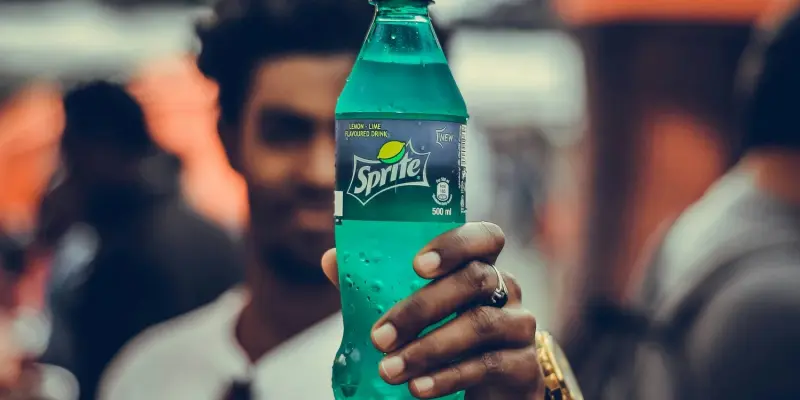
In recent years, Sprite has managed to climb the ladder of the U.S. carbonated soft drink market, surpassing Pepsi to claim the No. 3 position by volume—a remarkable feat that highlights its strategic prowess. This surge roots in Sprite’s ability to blend pop culture influences with revamped marketing initiatives, helping the brand resonate with contemporary audiences, particularly Gen Z. By embracing cultural trends and effectively tapping into past successes, Sprite has demonstrated a unique capability to connect with consumers across multiple generations, maintaining both relevance and appeal.
Reviving a Classic Campaign
“Obey Your Thirst” Reimagined
Sprite’s rise in the market can be substantially linked to the revived “Obey Your Thirst” campaign, originally launched in 1994. This campaign, with its core focus on authenticity and individuality, has been strategically reimagined to cater to today’s cultural shifts and technological landscape. In an era where social media reigns supreme, Sprite effectively uses these platforms to spread its message of staying true to oneself, capitalizing on the social climate where individuals often face pressure to conform. This timeless message, tailored for the current times, has allowed Sprite to fortify its connection with consumers, especially millennials and Gen Zers, who value genuine expression.
The “Obey Your Thirst” campaign’s rejuvenation has been more than a nostalgic nod to the past; it reflects a conscious adaptation to contemporary values and behaviors. Sprite’s modern communication focuses on fostering a deeper connection with consumers through cultural resonance, positioning itself as a brand that champions individuality. By focusing on authenticity, Sprite aligns itself with the personal beliefs of its audience, creating a strong emotional bond that transcends a mere commercial relationship. This alignment sparks interest and drives loyalty, making Sprite a preferred choice in a crowded market.
Strategic Cultural Partnerships
A crucial element in the success of the “Obey Your Thirst” campaign lies in its strategic partnerships with cultural figures, such as NBA star Anthony Edwards and Olympic sprinter Sha’Carri Richardson. These partnerships embody the campaign’s ethos, making Sprite part of the broader cultural dialogue. By associating with personalities who reflect authenticity and break conventional molds, Sprite reaffirms its commitment to individuality, encouraging consumers to embrace their unique identities. These collaborations serve not only as marketing tools but as avenues to explore cultural dynamics intricately.
Such partnerships extend the campaign’s reach, allowing Sprite to engage with diverse interest groups and influence public perception positively. By selecting figures who resonate with its brand values, Sprite ensures that its brand message remains relevant and inspiring. These collaborations leverage celebrity influence without overshadowing the core message, serving as a bridge between Sprite and its audience. The synergy between Sprite and its partners strengthens its presence in the cultural landscape, demonstrating strategic foresight and mastery in harnessing cultural currents for brand growth.
Engaging Emerging Talent and Movements
Discovering Rising Stars
A cornerstone of Sprite’s success is its ability to spot and engage emerging stars before they achieve widespread fame. This forward-thinking approach allows Sprite to establish relationships that reflect its brand values while being ahead of cultural trends. Recognizing the potential in talents like Anthony Edwards and rapper Doechii early on, Sprite creates mutually beneficial partnerships that encourage consumer engagement through authenticity and innovation. This involves understanding the cultural pulse and acting intuitively rather than relying solely on data-driven insights. This strategy enhances Sprite’s visibility and fortifies its reputation as a brand that champions new talent and progressive movements. By aligning with individuals who mirror its ethos, Sprite projects a dynamic image that attracts audiences who appreciate originality and innovation. This approach positions Sprite as a trendsetter in pop culture, contributing to its appeal across diverse demographics. Engaging emerging talent is crucial in creating long-term connections that sustain brand vitality in a constantly evolving marketplace.
Expanding into Women’s Sports
In its journey to expand cultural influence, Sprite has also ventured into the domain of women’s sports by partnering with the new women’s basketball league Unrivaled. This marks Sprite’s dedication to supporting budding cultural movements, fostering inclusivity, and reinforcing its status as a brand invested in emerging narratives. The partnership with Unrivaled signifies Sprite’s commitment to encouraging diversity in sports and beyond, recognizing that these collaborations echo the brand’s core values of authenticity and individual empowerment. Sprite’s engagement with the women’s sports sector helps build a comprehensive brand image, recognizing the importance of representation and opportunity in culturally significant arenas. By endorsing associations that reflect societal progress and innovation, Sprite establishes itself as a brand with foresight. These partnerships create opportunities for growth and identify Sprite as a pivotal player contributing positively to emerging movements, harmonizing traditional brand values with modern perspectives and aspirations.
Modern Communication Strategies
Innovative Media Engagement
Recognizing the shift toward digital consumption, Sprite has adeptly adapted its communication strategies to engage a technologically savvy audience. The adoption of QR code-driven activities, such as the “Obey Days” activations on product packaging, exemplifies Sprite’s innovative approach to customer engagement. These initiatives offer enriched consumer interaction and align with contemporary media habits, creating personalized experiences that foster deeper brand loyalty. Sprite’s fusion of digital and traditional marketing methods facilitates a wide reach across diverse platforms.
This multifaceted communication strategy is designed to capture audience attention through interactive, technology-driven channels, enhancing traditional advertising. By embracing digital tools, Sprite caters to consumer preferences for engaging content, maintaining relevance in a competitive market landscape. These interactive experiences also provide valuable insights into consumer behavior, positioning Sprite to respond effectively to evolving market trends. This continual adaptation and innovation underscore Sprite’s commitment to enhancing consumer interactions and maintaining a prominent brand presence.
Exclusive Cultural Experience Access
Sprite further enriches consumer engagement through initiatives like the Sprite Squad, a text-and-scan activation that grants exclusive access to digital experiences in areas integral to consumer interests. This endeavor leverages personalized interaction, allowing consumers to engage in experiences that resonate with them on cultural levels. By offering exclusivity, Sprite deepens its connection with the consumer base, enhancing both brand loyalty and cultural relevance.
This strategic approach reflects Sprite’s understanding of modern consumer desires, providing tailored content that adds value and significance to the brand-consumer relationship. By engaging audiences through personalized experiences, Sprite maintains its relevance, positioning itself as a culturally attuned brand. Through these initiatives, Sprite not only enhances consumer interactions but also strategically positions itself to influence future consumer relationships, ensuring continued success and market leadership.
Balancing Tradition and Innovation
Product Innovation Aligned with Brand Ethos
Sprite’s commitment to authenticity and innovation is reflected in its product innovation strategies, evidenced by the introduction of Sprite Chill. This cherry-lime flavored beverage features a unique cooling sensation, representing an experiential offering aligned with Sprite’s brand promise. Through product differentiation, Sprite pursues experiential engagement, ensuring that its offerings resonate with evolving consumer tastes and preferences.
Such innovation demonstrates Sprite’s resolve to remain relevant and appealing to modern consumers, enhancing its portfolio while staying true to its foundational ethos. This focus on experiential engagement is pivotal in maintaining consumer interest and brand excitement. By continuously evolving its product line, Sprite leverages innovation to differentiate itself in a competitive market, sustaining its growth and fortifying its market standing.
Integrating into the Cultural Zeitgeist
Sprite’s recent rise in the U.S. carbonated soft drink market, overtaking Pepsi to secure the third position by volume, is a testament to its strategic acumen. This impressive achievement underscores Sprite’s ability to effectively leverage pop culture influences through innovative marketing approaches. The brand’s success can be largely attributed to its resonance with contemporary audiences, especially Gen Z, by skillfully incorporating cultural trends and revisiting past triumphs. By doing so, Sprite has carved out a distinct niche that appeals to a broad spectrum of consumers, crossing generational lines and maintaining both its relevance and allure. This approach captures the essence of what Sprite stands for, continually innovating while respecting its rich heritage, all while remaining relevant in an ever-evolving marketplace. The key to Sprite’s success lies in its commitment to fostering a genuine connection with consumers, making it a staple in American households and a formidable player in the soft drink industry.