

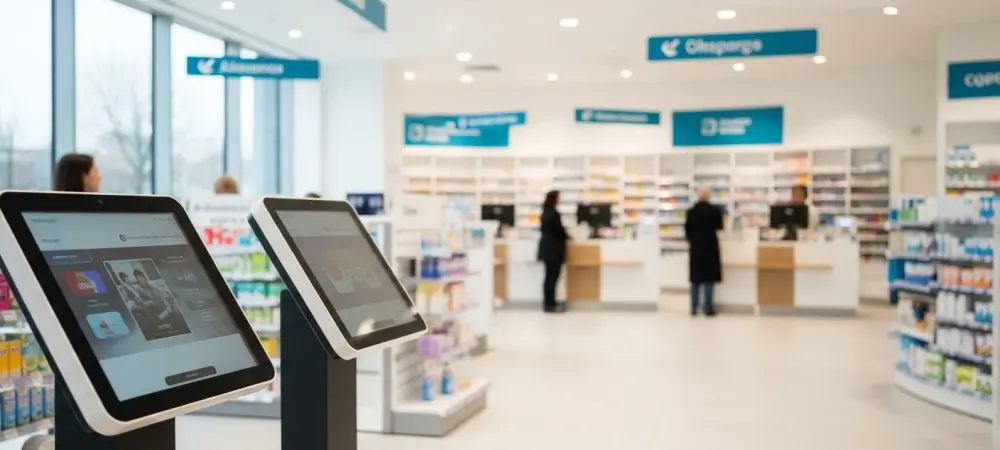
The frustration of standing in a stagnant line has long been the invisible barrier between a brand’s promise and a customer’s ultimate satisfaction with their experience. Service Systems has recognized this friction as a critical business risk, positioning itself as a strategic architect of the modern retail environment. By treating the queue not as an inevitability but as a data-rich component of the customer journey, the organization has transformed how physical spaces function. This evolution from simple crowd control to sophisticated flow management represents a significant shift in operational philosophy.
Efficiency is no longer just a metric for the back office; it is now a front-facing priority that defines brand loyalty. When a customer enters a facility, the ease with which they navigate the service process dictates their entire perception of value. Service Systems addresses this reality by integrating advanced hardware with cloud-based intelligence, ensuring that every second spent waiting is managed with psychological and logistical precision. This focus is noteworthy because it directly correlates operational speed with increased revenue and improved employee morale.
The Evolution of Queue Management in a Fast-Paced World
Modern consumers operate in a world defined by immediate gratification and digital efficiency, making traditional physical lines feel increasingly obsolete. Service Systems entered this landscape with the goal of bridging the gap between digital expectations and physical realities. The company identified that an unmanaged queue is more than just a nuisance; it is a point of abandonment where potential sales vanish. By introducing structure to these moments, they have helped businesses reclaim lost time and maximize the throughput of their service areas.
The subject has gained prominence by moving beyond the role of a hardware provider to become a comprehensive solutions partner. Their approach considers the psychological impact of waiting, using technology to provide clarity and fairness to the customer. This transition has been essential as industries across the globe seek ways to optimize their physical footprints in an era where every square foot must justify its cost through efficiency and high-quality engagement.
Foundations of Efficient Service Flow
Rooted in the technological hub of Cape Town, South Africa, Service Systems established its foundations by addressing the unique logistical challenges of the regional market. The company’s origin is tied to the realization that many imported service solutions lacked the flexibility and support necessary for local environments. By designing and manufacturing its systems domestically, the organization created a model of self-reliance that ensures high standards of quality and rapid response times for its clients.
This local foundation provided the necessary context for understanding diverse consumer behaviors across different sectors. Whether managing a high-traffic pharmacy or a quiet government office, the fundamental need for an organized flow remains constant. The company built its credibility by proving that domestic innovation could compete with global standards, offering robust systems that are both technologically advanced and practically grounded in the needs of real-world operators.
Pivotal Milestones in Queue Innovation and Retail Technology
The journey of Service Systems is marked by a series of technological breakthroughs that have set new benchmarks for the industry. One of the most significant milestones was the successful deployment of over 1,000 unique installations, a testament to the scalability and reliability of their architecture. These implementations have transitioned from basic linear arrangements to complex, multi-point service environments that utilize real-time data to direct traffic.
By consistently pushing the boundaries of what a service system can achieve, the organization has turned queue management into a competitive advantage. Their milestones are not merely about the number of units sold, but about the depth of integration within the client’s operational ecosystem. This includes the development of proprietary software that communicates seamlessly with diverse hardware configurations, ensuring a unified experience across various touchpoints.
The Rise of National-Scale Retail Implementations
The organization achieved a major breakthrough by securing nationwide rollouts with some of the most prominent names in the retail and pharmaceutical sectors. Major entities like Clicks and Checkers utilized these systems to manage high-volume customer traffic, ensuring that service delivery remained consistent even during peak shopping hours. This achievement demonstrated the system’s ability to handle massive data loads and maintain uptime across hundreds of geographically dispersed locations.
Furthermore, the implementation within the Medirite Plus network showcased the system’s adaptability to specialized environments where privacy and precision are paramount. These large-scale deployments proved that the technology could be standardized for a brand while remaining flexible enough to meet the specific needs of individual branches. This balance of consistency and local adaptability became a hallmark of the company’s retail strategy.
Integration of High-Stakes Public Sector Solutions
Moving into the public sector required a level of security and reliability that many commercial systems could not provide. Service Systems rose to the challenge by partnering with the Western Cape Government and major healthcare institutions like Groote Schuur Hospital and Mediclinic. In these environments, the system does more than manage a line; it facilitates the delivery of essential services where delays can have serious consequences.
The success in these high-stakes areas highlighted the company’s ability to handle sensitive visitor data and provide a sense of order in potentially stressful situations. By streamlining the patient and citizen journey, the technology contributed to a more dignified and efficient public service experience. This milestone solidified the company’s reputation as a trusted partner for organizations that prioritize public welfare and operational integrity.
Expansion into Tourism and International Markets
The versatility of the service model was further validated through its adoption by world-class tourism destinations, such as the Table Mountain Aerial Cableway and GrandWest Casino. Managing the flow of international tourists requires a system that is intuitive, multilingual, and capable of handling extreme fluctuations in visitor numbers. These projects required a unique blend of physical crowd management and digital ticketing integration.
Beyond the borders of South Africa, the company expanded its influence across the African continent, supporting brands like Unifi in diverse international markets. This expansion demonstrated that the core principles of efficient service flow are universal. The ability to export local technology to meet international demands became a defining feature of the organization’s growth trajectory, proving the global relevance of their Cape Town-born innovations.
The Local Advantage and Agility in Manufacturing
What truly sets Service Systems apart is the strategic decision to maintain a “Proudly South African” manufacturing and design philosophy. By keeping the production cycle close to the end-user, the company sidesteps the logistical nightmares of international shipping and the unpredictability of foreign exchange rates. This proximity allows for a level of agility that is rarely seen in the tech industry, where hardware adjustments can be made in response to client feedback in a matter of days rather than months.
The uniqueness of this approach lies in the ability to offer bespoke customizations that are specifically tailored to the nuances of the African business environment. While global competitors offer rigid, off-the-shelf products, this local player provides a collaborative design process. This focus on domestic craftsmanship not only supports the local economy but also fosters a deep sense of trust with clients who know their technology partner is physically present and deeply invested in their specific operational success.
Modern Operations: From Physical Lines to Virtual Environments
Today, Service Systems operates at the intersection of physical infrastructure and cloud-based intelligence. The focus has shifted from managing people standing in a row to managing “virtual queues” where customers are free to shop or relax while they wait. Using cloud-managed platforms, businesses can now communicate with their visitors via mobile alerts, effectively untethering the customer from the physical service point and enhancing the overall shopping experience.
Current projects emphasize the use of real-time analytics to empower management teams. Through secure dashboards, supervisors can monitor live waiting times and staff performance from any location. This transition into virtual environments represents a significant leap forward, as it allows for proactive intervention before bottlenecks even occur. The integration of live alerts and trended reporting ensures that operations are always aligned with the actual demands of the floor.
Reflection and Broader Impacts
Reflection
The strength of this service-centric model lies in its ability to turn invisible operational data into visible, actionable insights. However, the reliance on high-tech solutions brings the challenge of ensuring that all staff members are properly trained to utilize the full potential of the software. While the technology is robust, its ultimate success depends on the human element and the willingness of an organization to embrace a data-driven culture.
The versatility of the system remains its greatest asset, allowing it to move seamlessly between a casino, a hospital, and a supermarket. The primary hurdle continues to be the initial shift in mindset required for businesses to see queue management as a strategic investment rather than a functional expense. Once this hurdle is cleared, the benefits of reduced customer churn and improved operational transparency become undeniable.
Broader Impact
Looking toward the future, the implications of these systems extend far beyond the checkout counter. The integration of “Voice of the Customer” tools with operational flow data creates a powerful feedback loop that can redefine how businesses develop their service strategies. By understanding exactly how wait times impact customer sentiment, companies can make more informed decisions about staffing, store layout, and product placement.
This methodology suggests a future where physical spaces are as optimized and personalized as digital storefronts. As data becomes the primary currency of the service industry, those who can master the flow of their visitors will be the ones who define the next era of operational excellence. The bridge between the physical and digital worlds is being built through these sophisticated systems, leading to a more seamless and respectful engagement between brands and the people they serve.
Conclusion: Pioneering the Future of Operational Excellence
Service Systems successfully redefined the parameters of the customer journey by transforming the mundane act of waiting into an opportunity for organizational growth. The company established a legacy of innovation by proving that domestic manufacturing could produce world-class technology capable of managing the most complex retail and public environments. Throughout its trajectory, the organization prioritized the synthesis of data and human experience, ensuring that every implementation contributed to a more efficient and transparent service model. This journey demonstrated that when businesses treat customer time as a finite and valuable resource, they unlock new levels of loyalty and operational success.
The impact of these advancements continues to resonate as more sectors recognize the value of a managed service flow. Leaders who seek to eliminate bottlenecks and enhance visitor satisfaction find a proven framework in these locally developed, globally relevant solutions. To maintain a competitive edge in an increasingly fast-paced market, organizations must look toward these integrated systems to bridge the gap between their operational goals and the customer’s expectations. Exploring the full potential of virtual queueing and real-time analytics remains the essential next step for any forward-thinking enterprise.