

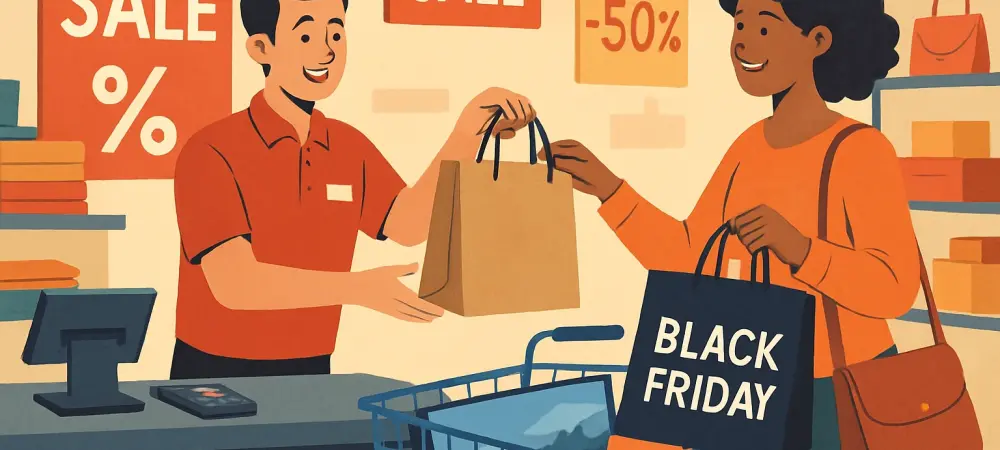
In the frenzied world of retail, Black Friday stands as a colossal battleground where brands vie for the attention of millions of eager shoppers, all hunting for the best deals in a digital-first marketplace. Imagine a virtual shopping spree where distracted, price-sensitive consumers scroll through endless social media feeds, making split-second decisions on whether to click “buy” or move on. This high-stakes environment, characterized by intense competition and fleeting attention spans, poses a critical challenge for retailers: how to not only capture sales on this pivotal day but also transform one-time buyers into loyal advocates. The significance of this challenge cannot be overstated, as holiday shopping dynamics have shifted toward seamless digital experiences and heightened expectations for trust and value. This research summary delves into actionable strategies for retailers to stand out amidst the noise, build enduring customer relationships, and secure long-term profitability.
Understanding the Black Friday Landscape
Black Friday has evolved into a fiercely competitive retail event, where capturing the attention of distracted shoppers is no easy feat. In a marketplace driven by digital platforms and social media, consumers are bombarded with promotions, making it challenging for brands to break through the clutter. Price sensitivity reigns supreme, with shoppers relentlessly seeking the best deals across multiple channels, often prioritizing discounts over brand familiarity. Retailers face the uphill task of standing out in an oversaturated online space where attention is fragmented and loyalty is hard-won.
Consumer behavior trends further complicate this landscape, as value remains a top priority for most shoppers. There is a noticeable shift toward social commerce, with platforms like Instagram and TikTok becoming primary shopping hubs, especially for younger demographics. Additionally, expectations for authenticity and responsiveness have surged, with buyers demanding transparent communication and genuine interactions from brands. These evolving preferences underscore the need for retailers to adapt swiftly to a digital-first, socially integrated shopping environment.
Why Building Customer Loyalty Matters Now More Than Ever
The dynamics of holiday shopping have undergone a profound transformation, with consumers now expecting seamless experiences across online and offline touchpoints. In an oversaturated digital environment, trust has emerged as a critical factor, as shoppers grow wary of generic marketing tactics and seek brands that deliver consistent value. The pressure to meet these expectations is amplified on Black Friday, when the volume of interactions and transactions peaks, leaving little room for error in customer engagement.
Turning one-time Black Friday shoppers into loyal customers holds immense value for long-term profitability. Data reveals that brand followers spend up to 40% more than non-followers, highlighting the financial impact of cultivating a dedicated customer base. This statistic emphasizes that a focus on loyalty can yield returns far beyond a single day of sales, providing a buffer against the volatility of seasonal shopping trends.
Beyond immediate revenue, fostering loyalty during high-traffic events like Black Friday helps brands build a foundation for sustained growth. Loyal customers are more likely to return for future purchases, recommend the brand to others, and engage with ongoing campaigns. In a retail climate where acquisition costs continue to rise, retaining customers through trust and memorable experiences becomes a strategic imperative for enduring success.
Strategies to Capture Attention and Build Trust
Leading with Value Through Bold Discounts
Price remains the dominant driver of purchasing decisions on Black Friday, with research indicating that 60% of social media users are motivated by discounts. Shoppers actively follow brands to access deals, expecting clear and compelling offers that stand out amidst a sea of promotions. Retailers must prioritize bold discount messaging to capture interest and drive immediate action during this critical sales window.
Effective communication of discounts requires upfront clarity across multiple touchpoints, including email campaigns, social media posts, and website banners. By ensuring that offers are easily accessible and transparent, brands can appeal to subscribers and casual browsers alike, maximizing reach. This approach not only addresses the primary concern of value but also sets the stage for building trust through honesty in pricing.
Leveraging Social Commerce for Seamless Shopping
Social media platforms have emerged as the new storefront, particularly for younger demographics like Gen Z, with 57% and 56% of them making purchases on Instagram and Facebook, respectively. This trend toward social commerce reflects a broader shift in how holiday shopping unfolds, with consumers increasingly discovering and buying products directly within apps. Retailers must adapt by creating mobile-first, shoppable content that aligns with these in-app behaviors.
Optimizing for seamless transactions is key, as friction in the checkout process can deter potential buyers. Incorporating native checkout options and ensuring mobile-friendly designs can significantly enhance the shopping experience, catering to the immediacy that social media users expect. By meeting consumers where they are most active, brands can capitalize on impulse purchases and strengthen their digital presence.
Fostering Authenticity with User-Generated Content
Skepticism toward traditional marketing is at an all-time high, with 65% of online shoppers influenced by user-generated content (UGC) compared to a mere 14% swayed by celebrity endorsements. Consumers crave authenticity, seeking relatable stories and real experiences over polished advertisements. This shift presents an opportunity for retailers to build credibility by amplifying genuine customer voices.
Featuring UGC such as customer reviews, unboxings, and everyday usage moments can create a sense of connection and trust. Encouraging shoppers to share their experiences on social platforms and showcasing these stories in campaigns can resonate deeply with audiences. This strategy not only counters distrust but also fosters a community around the brand, enhancing its appeal during high-stakes shopping periods.
Enhancing Engagement Through Speed and Personalization
Prioritizing Rapid, Human-Centric Responses
Consumer expectations for responsiveness have skyrocketed, with one-third of shoppers anticipating replies to inquiries within an hour. The demand for speed is coupled with a preference for human interaction, as two-thirds of customers value empathetic, personalized responses over automated AI replies. Retailers must treat social channels as active engagement hubs to meet these heightened standards.
Daily engagement through consistent posting and prompt communication is essential, particularly during the Black Friday rush when inquiry volumes spike. While AI tools can assist in managing message loads, staffing social teams to provide human-centric interactions remains critical. This balance ensures that customers feel heard and valued, paving the way for stronger emotional connections with the brand.
Tailoring Content to Generational Preferences
Generational differences play a significant role in shaping content preferences, necessitating personalized messaging to maximize engagement. Gen Z, for instance, gravitates toward humor and interactivity on platforms like TikTok, with 46% valuing dynamic content. In contrast, Baby Boomers prioritize informative material and real customer stories, often accessed through traditional channels like websites or email.
Platform choices further highlight these divides, as younger shoppers discover brands on social apps while older demographics rely on direct communication methods. Retailers must adopt a multi-channel approach, customizing creative elements and delivery methods to align with each group’s habits. This tailored strategy ensures relevance across diverse audiences, boosting both immediate conversions and long-term affinity.
Key Takeaways for Sustained Success Beyond Black Friday
The exploration of Black Friday strategies revealed that trust stood as the ultimate differentiator for retailers aiming to win loyal customers. Delivering unbeatable value through transparent discounts, amplifying authenticity via user-generated content, ensuring rapid and human-centered responses, and personalizing content for generational nuances proved to be the cornerstones of success. These approaches not only drove sales during the intense holiday rush but also established a framework for enduring customer relationships in a competitive retail environment.
Looking ahead, retailers are encouraged to invest in scalable systems for social commerce, ensuring seamless in-app shopping experiences as platforms continue to dominate consumer behavior. Further research into evolving generational preferences could refine personalization tactics, while prioritizing human interaction in customer service might offer a competitive edge. By focusing on these actionable steps, brands can transform seasonal wins into a lasting legacy of loyalty and trust, navigating future holiday seasons with confidence and adaptability.