

Success in a saturated hospitality market often feels like a moving target because a brilliant concept today can be easily replicated by a competitor tomorrow. In a landscape where thousands of venues vie for the same limited pool of attention, the difference between a fleeting trend and a legendary institution lies in the depth of the bond formed with the guest. This exploration serves as a guide for leaders who wish to move beyond transactional interactions and create a community of devoted regulars. By examining the intersection of team agility, sophisticated data management, and sensory design, businesses can uncover the strategies necessary to thrive in an environment defined by relentless competition and high consumer expectations.
The Strategy: Beyond Basic Service
Why Is a High-Performing Team More Valuable Than a Creative Business Concept?
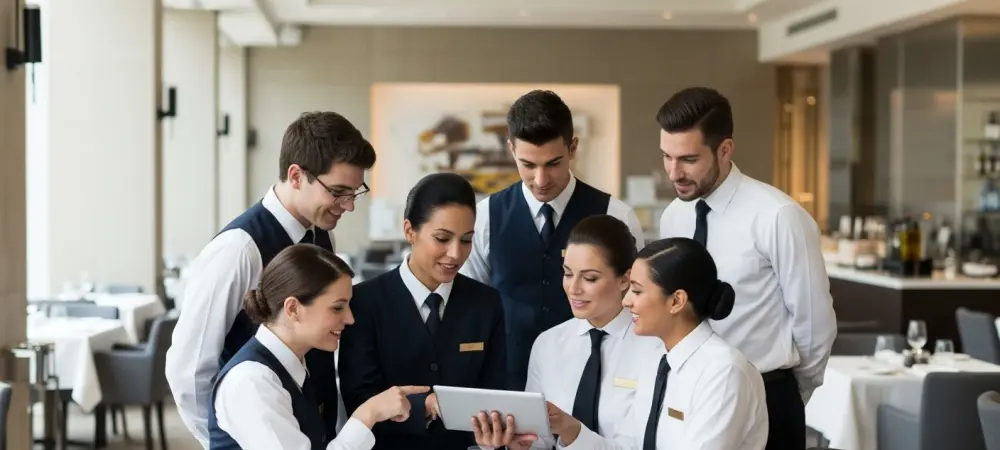
While a unique interior or a trendy menu might draw a crowd during the first month of operation, these elements are essentially static and easily imitated. The real engine of sustainable growth is a team that possesses the agility to iterate based on real-time feedback. In hyper-competitive hubs, leaders have found that sticking rigidly to an initial business plan often leads to stagnation; instead, the most successful ventures are those that treat their operations as a living laboratory. By reviewing guest comments every single day and testing new operational hypotheses immediately, a dedicated team can bridge the gap between standard service and an exceptional experience.
This shift in focus from the “idea” to the “people” recognizes that execution is a dynamic process rather than a one-time setup. When staff members are empowered to remain curious and adaptable, they become the primary source of competitive advantage. This human-centric approach allows a business to pivot faster than its rivals, ensuring that the guest experience is constantly refined to meet evolving preferences. Ultimately, the survival of a brand depends less on the novelty of its start and more on the relentless pursuit of improvement driven by a committed workforce.
How Can Technology Be Used to Enhance Human Interaction Rather Than Replace It?
Many hospitality businesses make the mistake of using technology solely as a marketing gimmick or a way to cut costs, but the most effective leaders view it as an operational foundation. By implementing sophisticated enterprise resource planning and customer relationship management systems, a venue can automate repetitive, low-value tasks that typically drain staff energy. When a computer handles the complexities of logistics and basic data entry, the human workforce is liberated to focus on high-touch, empathetic interactions that require genuine judgment and warmth. This balance ensures that efficiency never comes at the expense of the personal touch that guests crave.
Furthermore, a robust technological infrastructure provides a level of operational intelligence that intuition alone cannot match. Data-driven decision-making allows managers to identify friction points in the guest journey and recognize behavioral patterns before they become problems. For example, knowing a regular guest’s specific seating preference or favorite drink through a centralized system allows the staff to provide a level of personalization that feels like magic. In this context, technology serves as a silent partner that empowers the team to deliver a more seamless and intuitive level of service, making the guest feel truly understood.
What Is the Difference Between Transactional Incentives and Emotional Loyalty?
The standard industry playbook often relies on discounts, points, and tiered rewards to keep customers coming back, yet these methods often fail to build a lasting connection. When loyalty is bought through price cuts, it remains fragile; the moment a competitor offers a steeper discount, the customer is likely to jump ship. True loyalty is not a financial calculation but an emotional resonance that makes the cost of switching to another venue feel too high. This is achieved by creating a sense of ease and familiarity that makes the guest feel as though the venue is an extension of their own home.
Building this emotional bond requires a transition from a transactional model to a relational one. Small gestures, such as providing customized equipment for a specific service or offering cozy amenities like slippers and blankets, demonstrate a level of care that goes beyond a standard business agreement. When a brand acts as a concierge for its guests, anticipating needs before they are even voiced, it fosters a deep sense of belonging. This strategy results in organic referrals and repeat visits because the guest is returning for the feeling of being valued rather than just the utility of the service provided.
How Does Sensory Design Influence the Depth of the Guest Experience?
In a crowded market, differentiation is frequently achieved through subtle environmental factors that guests may not even consciously notice. Sensory design involves the meticulous curation of lighting, acoustics, and scent to guide the mood of the guest throughout their stay. For instance, the transition from a bright, energetic afternoon setting to a soft, intimate evening atmosphere helps a venue remain relevant across different parts of the day. These layered experiences create a sanctuary-like environment that encourages guests to linger longer and visit more frequently, as the space provides a psychological comfort that is difficult to replicate elsewhere.
Moreover, the physical configuration of a space plays a vital role in establishing luxury and privacy. Using high-quality materials and thoughtful spatial planning ensures that even a fully booked venue maintains a sense of exclusivity and home-like ease. By focusing on how a space feels rather than just how it looks in a photograph, leaders can create an emotional anchor for their clientele. This holistic approach to design ensures that every touchpoint—from the aroma in the air to the texture of the seating—reinforces the brand’s commitment to quality and guest well-being.
Summary: Key Takeaways for Hospitality Leadership
Achieving long-term success in a competitive environment required a shift from static business models toward dynamic, human-centered strategies. Leaders learned that while technology provided the data necessary for personalization, it was the agility and empathy of the team that truly secured guest devotion. Loyalty was redefined not as a series of discounted transactions, but as an emotional connection built through consistent attention to detail and sensory comfort. These insights demonstrated that the most resilient brands were those that prioritized the guest’s sense of belonging over mere operational efficiency.
Moving Forward: The Future of Guest Relations
As the industry continues to evolve, the focus must move toward creating scalable systems for extreme personalization. Leaders should consider how their current infrastructure allows them to learn from their customers in real-time rather than relying on outdated annual surveys. The next frontier of hospitality lies in the ability to take calculated risks that move a brand away from the safety of mediocrity and toward a truly unique identity. By fostering an environment where curiosity is encouraged and data is used to empower human connection, businesses can ensure they remain indispensable to their community for years to come.