

The automotive retail landscape is currently experiencing a profound paradigm shift as manufacturers move away from transactional sales toward a continuous ecosystem of digital services and vehicle-related subscriptions. With global new-car sales stabilizing, the most significant opportunity for growth now lies in the ability to capture and maintain the loyalty of an owner throughout their entire journey with a vehicle. A Customer Data Platform serves as the critical technical foundation for this strategy, consolidating fragmented data from multiple sources—such as website interactions, mobile app usage, and in-car telematics—into a single, comprehensive view of the driver. This unified profile allows businesses to move past the limitations of traditional marketing by enabling them to predict customer needs before they are even expressed. By bridging the disconnect between online research and the dealership floor, brands can ensure that every interaction feels personalized and relevant. The primary objective is to transform a one-time purchase into a lifelong relationship through data.
Data Unification: Breaking Down Silos for the Driver Journey
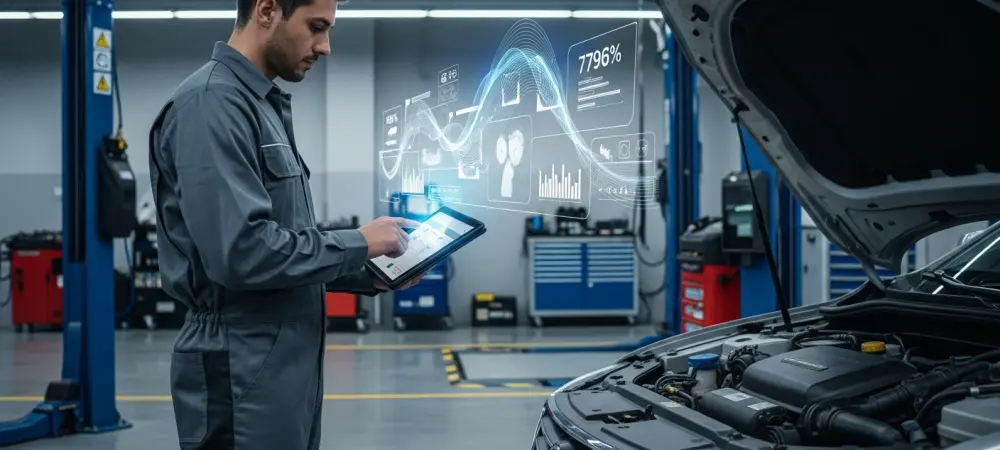
Most automotive enterprises still struggle with internal fragmentation where critical information remains trapped within the isolated databases of sales, service, and marketing departments. A prospective buyer might spend hours configuring a luxury sedan on a manufacturer website, only to find that the local dealership has no record of these preferences when they arrive for a test drive. Implementing a robust Customer Data Platform solves this problem by creating a persistent identity for every customer that updates in real-time across every possible brand touchpoint. This seamless integration allows for a sophisticated understanding of consumer behavior, such as identifying a shift in interest from compact cars to family-oriented SUVs based on recent search patterns. When sales teams are equipped with these real-time insights, they can provide a consultative experience that aligns perfectly with the buyer’s current stage in the journey. This approach not only improves the likelihood of a sale but also establishes a foundation of trust. Beyond the showroom, this unified data strategy is essential for the service department where maintaining vehicle health is the primary driver of recurring revenue and brand retention. Modern vehicles generate massive amounts of diagnostic data, yet this information is often underutilized because it is not linked to the individual customer’s profile in a meaningful way. By funneling telematics data directly into a CDP, service providers can transition from reactive repairs to a proactive maintenance model that anticipates mechanical issues before they lead to a breakdown. For example, if a vehicle’s tire pressure sensors or brake pads show signs of significant wear, the system can automatically trigger a tailored service offer delivered via the driver’s mobile application. This level of personalized care demonstrates that the brand is actively monitoring the vehicle’s safety and performance, which significantly enhances the perceived value of the dealership. This proactive stance effectively reduces the chance of customers switching to independent mechanics.
Strategic Implementation: Orchestrating Data-Driven Engagement
While proactive maintenance addresses the physical needs of the vehicle, the broader marketing strategy must also evolve to meet the informational needs of the consumer. When a CDP is integrated with an advanced marketing automation engine, it allows brands to deliver highly relevant content across social media, email, and mobile push notifications with surgical precision. Consider a scenario where a current leaseholder begins researching the latest hybrid models on a manufacturer’s blog; the system can recognize this intent and instantly adjust the promotional content they see across all digital platforms. If the user then visits a dealership for a routine oil change, the service advisor can receive a notification on their tablet suggesting a conversation about specific trade-in incentives. This level of coordination ensures that the messaging remains consistent and helpful rather than repetitive or intrusive. Such strategic alignment reduces churn and maximizes the effectiveness of marketing. The organizations that successfully maximized customer lifetime value realized that the implementation of a CDP was as much about cultural change as it was about technological adoption. They prioritized the creation of a transparent data exchange where customers felt comfortable sharing personal information in exchange for tangible benefits such as faster service and personalized rewards. Leaders in the space invested heavily in training their frontline staff to use these data insights responsibly to enhance the human element of the car-buying and ownership experience. By focusing on data quality and security from the outset, these companies built a resilient framework that protected consumer privacy while delivering unprecedented levels of convenience. They also established clear metrics for success that moved beyond simple sales volume to include long-term metrics like net promoter scores and service frequency. This holistic view ensured that every part of the business was aligned with the ultimate goal of fostering lasting brand loyalty.