

In the contemporary landscape of high-stakes commerce, the layout of a retail space or a hospitality venue serves as a sophisticated silent engine that dictates human interaction through psychological cues. This concept, known as customer behavior design, represents a deliberate departure from traditional service models where businesses simply reacted to the moods of their patrons as they arrived. Instead, modern enterprises are operating as architects of the guest experience, leveraging environmental psychology to influence how individuals speak, move, and interact with staff members. By meticulously engineering every touchpoint, from the lighting in a foyer to the acoustic properties of a dining room, a brand can transition from being a passive recipient of public temperament to an active director of social conduct. This philosophy posits that human behavior is not a fixed trait but a reactive state, heavily influenced by the immediate surroundings. When a customer crosses a threshold, they instinctively seek subconscious signals on how to behave, and effective design ensures those signals are unmistakable and consistent.
The Foundation of Behavioral Design
Environmental Influence: The Science of Human Plasticity
The core of behavioral design is grounded in the principle of human plasticity, which observes that the same individual can exhibit vastly different social patterns depending on their physical context. A person may be energetic and boisterous in a sports bar, yet become hushed and reserved in an upscale library or a fine-dining establishment just hours later. This shift occurs because the environment communicates a specific set of expectations that the brain processes almost instantly. While the individual’s internal goal of having a pleasant experience remains unchanged, the external manifestation of that goal adapts to the social permissions granted by the space. Brands that recognize this plasticity assume full responsibility for the quality of interactions, understanding that a “difficult” customer is often the result of an environment that failed to provide clear behavioral guidance. By setting the stage correctly, businesses can effectively coach their guests into the most productive and positive versions of themselves before a single word is even exchanged.
This intentionality allows organizations to transcend the limitations of traditional customer service by pre-empting friction before it ever manifests in a physical interaction. For instance, high-end hotels often utilize expansive, high-ceilinged lobbies and marble flooring to evoke a sense of grandeur that naturally encourages guests to lower their voices and act with greater decorum. Conversely, high-energy entertainment venues might utilize vibrant, clashing colors and upbeat music to signal that loud, playful behavior is not only accepted but actively encouraged. In both scenarios, the brand is successful not because one behavior is objectively better than the other, but because the environment matches the intended operational outcome. When the physical world aligns with the brand’s mission, the guest’s response becomes a natural extension of the design itself. This alignment reduces the cognitive load on the customer, making the experience feel intuitive and effortless while simultaneously streamlining the operational flow for the employees on the front lines.
Comparative Intentionality: Contrasting Behavioral Models
The divergent strategies of global leaders like The Ritz-Carlton and Dave & Buster’s illustrate how environmental design can create specific, predictable behavioral outcomes across a broad demographic. The Ritz-Carlton employs a formal motto and an aesthetic of refined elegance to cultivate a culture of mutual respect and grace, which is mirrored by the behavior of the guests. By treating the service environment as a prestigious stage, they signal to the customer that they are part of an elite social contract. On the opposite end of the spectrum, Dave & Buster’s utilizes sensory saturation—bright neon lights, the clatter of arcade machinery, and a high-energy soundtrack—to remove social inhibitions and foster a boisterous, fun-loving atmosphere. Neither experience is inherently superior; rather, each is a masterclass in intentional design. These brands have decided exactly how they want their customers to act and have constructed sensory worlds where those specific behaviors feel like the most logical and rewarding responses for the visitor.
Beyond the initial visual impression, these models rely on the consistent application of sensory cues to maintain the desired atmosphere throughout the entire customer journey. In a refined setting, the absence of clutter, the use of soft textures, and the presence of warm, focused lighting serve as constant reminders of the expected social conduct. In a high-energy venue, the tactical use of open spaces, communal seating, and interactive elements reinforces the idea that the guest is there to participate rather than observe. This level of detail ensures that the behavioral cues are not just seen once but are felt continuously, preventing any drift in the guest’s demeanor. When a brand successfully maintains this sensory narrative, it creates a self-regulating ecosystem where new arrivals quickly adopt the established behavior of the existing crowd. This collective mirroring effect reinforces the brand’s intended atmosphere, making the design choices even more powerful as more people enter the space and participate in the shared behavioral standard.
Strategic Execution and Mirroring
The Mirroring Effect: Managing the First Five Minutes
Timing plays a critical role in the success of behavioral design, with the first five minutes of any interaction serving as the most influential window for setting the long-term tone. During this brief period, customers engage in a psychological process called mirroring, where they subconsciously align their energy, speech patterns, and emotional state with the cues provided by the brand. If the initial greeting is professional and the environment is organized, the guest will typically rise to meet that standard of conduct. However, if the design is flawed—resulting in long queues, confusing signage, or disengaged staff—the customer does not merely reflect the frustration; they often amplify it into hostility. This amplification can lead to significant brand damage, as a single poorly designed touchpoint can derail the entire experience. Therefore, the architectural and operational design must prioritize these early moments to ensure that the guest enters a “positive mirroring loop” that sustains throughout their visit.
This mirroring phenomenon is not limited to the physical space but extends into the organizational culture and the way employees embody the brand’s personality. Friction is often the primary catalyst for negative behavior, and it usually stems from a disconnect between the environment’s promise and the reality of the service delivery. For example, if a luxury car dealership features a high-end lounge but requires customers to fill out repetitive paperwork, the friction of the process undermines the elegance of the design. Behavioral design requires a holistic approach where the removal of obstacles is just as important as the addition of aesthetic elements. By identifying and eliminating these points of friction, businesses ensure that the customer remains in a state of flow, making them more receptive to the positive cues the brand is projecting. When an organization masters this, the customer feels supported rather than managed, leading to a more harmonious interaction that benefits both the patron and the service provider.
Reverse-Engineering: From Desired Behavior to Design Reality
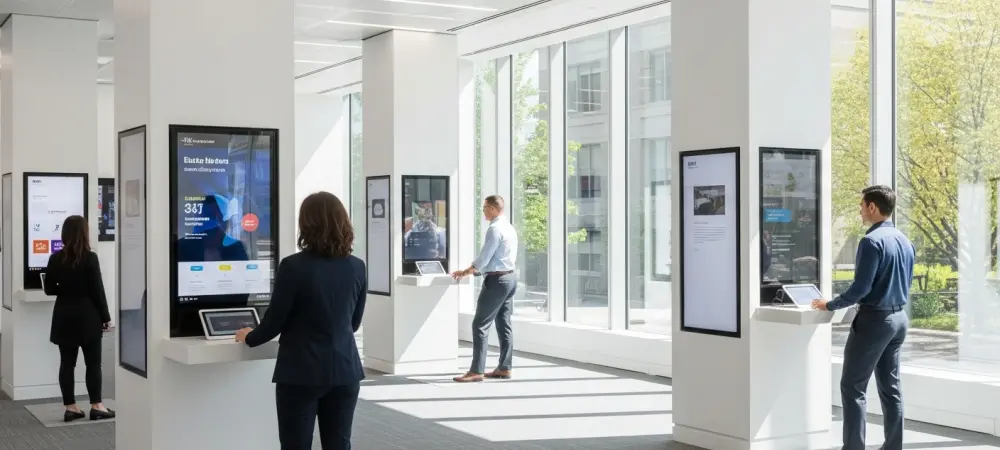
To implement a successful behavioral strategy, forward-thinking businesses must adopt a reverse-engineering mindset that begins with the specific outcome they wish to achieve. This process starts by asking what specific actions, tones, and attitudes the brand wants its customers to demonstrate, and then working backward to align every sensory and operational detail. This includes everything from the tempo of the background music to the fabric choices on the furniture and the specific vocabulary used by the staff in their initial greetings. For example, a high-tech retail space might use cool-toned lighting and minimalist displays to encourage focused, contemplative product exploration. By aligning these subconscious messages, the brand makes the desired behavior the most natural path for the customer to follow. This strategic alignment ensures that every dollar spent on design and training is directly contributing to a predictable and profitable behavioral result that reinforces the brand’s identity.
In the final assessment, it was clear that the most successful organizations utilized these design principles to transform their physical spaces into active participants in the service delivery process. By shifting the perspective from “managing” people to “designing” their interactions, these brands moved toward a future where customer satisfaction was no longer a variable but a calculated result. Leaders who integrated sensory cues with a deep understanding of human plasticity were able to reduce operational friction and foster a culture of mutual respect between staff and patrons. Moving forward, businesses should conduct a sensory audit of their current environments to identify any conflicting signals that may be inadvertently encouraging negative behaviors. Implementing a reverse-engineered design strategy will allow companies to reclaim control over the guest experience, ensuring that every interaction reflects the brand’s core values. Ultimately, the art of behavioral design lies in creating a world where the customer’s natural reaction is perfectly aligned with the organization’s strategic objectives.