

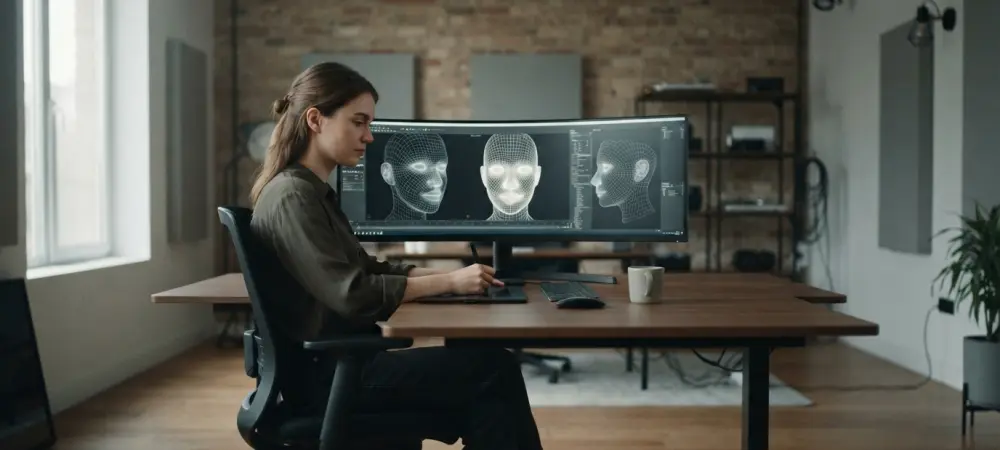
Digital content creation is shifting as AI tools provide a streamlined workflow for altering the appearance of individuals in recorded media, marking a departure from traditional video production methods that frequently demanded extensive manual labor, expensive hardware, and highly specialized technical skills. In the landscape of 2026, neural networks and advanced computer vision models have matured to a point where modifying facial features within a video is no longer restricted to high-budget Hollywood studios. Instead, these capabilities have become accessible to independent filmmakers, marketing professionals, and educators, enabling a new level of flexibility in how visual stories are told. By automating the most tedious aspects of frame-by-frame editing, artificial intelligence allows creators to focus on the narrative and stylistic elements of their projects. This evolution in digital media reflects a broader trend toward the democratization of sophisticated visual effects, where complex transformations that once took weeks can now be completed in a fraction of the time with unprecedented accuracy and realism.
1. Technical Foundations of Synthetic Facial Integration
The core of modern video face swapping relies on sophisticated computer vision models that perform several tasks simultaneously to ensure a seamless result. The process begins with face localization and trait mapping, where the AI identifies the primary subject within the source material and extracts thousands of specific landmarks, such as the positioning of the eyes, the curve of the jawline, and the movement of the mouth. This data creates a three-dimensional understanding of the face’s structure and orientation, allowing the system to project a new face onto the existing geometry. Unlike basic overlay techniques, this approach considers the underlying anatomy, ensuring that the replacement face reacts naturally to the lighting and shadows present in the original environment. Furthermore, high-performance algorithms analyze the skin texture and pore structure to ensure that the final render maintains a consistent level of detail, preventing the “uncanny valley” effect that often plagued earlier iterations of synthetic media.
Beyond simple identification, the success of a video-based transformation depends on the ability to maintain facial tracking and positioning across every single frame. Because the human head is rarely static in a recording, the AI must account for rapid movements, shifts in perspective, and obstructions where objects or hands might pass in front of the face. This requirement for temporal consistency is what separates professional-grade tools from basic filters; the system must understand how the face moves through three-dimensional space over time. If the tracking lags by even a single frame, the illusion is broken, and the replacement face appears to float or jitter unnaturally. To combat this, modern systems utilize recurrent neural networks that analyze sequences of frames to predict motion and smooth out any inconsistencies. This level of technical sophistication ensures that as a person speaks, laughs, or turns their head, the integrated features remain perfectly aligned with the original performance.
2. Strategic Advantages Over Traditional Static Editing
A significant distinction exists between replacing a face in a static photograph and performing the same task within a dynamic video file. In photo editing, a creator only needs to worry about a single moment in time where lighting and angles are fixed. Video creation, however, introduces the variable of motion blur and the constant fluctuation of environmental light sources. In a typical thirty-frame-per-second video, each second of footage requires the AI to make thirty unique decisions about how to blend the new face into the scene. This complexity necessitates a high degree of visual integration and rendering power, as the replacement must adapt to every subtle change in the environment, from a passing shadow to the warm glow of a sunset. By handling these variables automatically, AI tools provide a level of efficiency that manual rotoscoping simply cannot match, effectively allowing for the repurposing of existing footage for multiple creative objectives without the need for a total reshoot.
Moreover, the introduction of video-to-video transformation systems has expanded the possibilities for creators who wish to go beyond simple face replacement. These advanced platforms allow for the modification of entire scenes through text-based instructions or reference styles, enabling users to change clothing, alter background environments, or even swap the overall artistic style of the footage. This approach naturally leads to a more versatile production pipeline where a single day of filming can yield dozens of different versions of the same scene. For instance, a brand could record a single advertisement and use AI to tailor the presenter’s appearance or the setting to suit different demographic markets or regional preferences. This versatility not only saves considerable financial resources but also drastically reduces the carbon footprint associated with large-scale location shoots and the logistics of transporting production crews across the globe for minor visual adjustments.
3. Practical Applications Across Diverse Creative Industries
In the professional sectors of cinema and narrative storytelling, AI-driven face swapping has become a vital tool for pre-visualization and prototyping. Filmmakers use these technologies to test different casting combinations or to experiment with specific visual effects before committing to the high costs of final production. By seeing a digital representation of a character’s look early in the process, directors can make more informed decisions about lighting, costume design, and actor performance. This technology also serves as a bridge for independent creators who may not have access to a large cast of actors; through authorized face replacement, a single performer can represent multiple distinct characters within a fictional project. When used with the full consent of all parties involved, this creates a fertile ground for creative experimentation that was previously impossible for those working outside the major studio system.
The commercial and educational sectors have also seen a surge in the adoption of these tools to enhance communication and engagement. Marketing departments frequently utilize face-swapping capabilities to adapt video concepts for various social media platforms, ensuring that the content feels personalized and relevant to the audience. Similarly, in the fields of education and corporate training, authorized face replacements allow for the updating of legacy training materials. If a company updates its brand identity or requires a different presentation style, they can refresh existing instructional videos without the need to hire new talent or rent a studio space. This capability ensures that educational content remains current and visually appealing, which is crucial for maintaining the attention of learners in an increasingly digital-first world. In all these scenarios, the emphasis remains on using technology to enhance the human element of communication rather than replacing it entirely.
4. Procedural Guidelines for Achieving Professional Results
To obtain high-quality results from AI video tools, creators must pay close attention to the quality of their initial input materials. The success of the final output is directly proportional to the clarity and lighting of the source clip; videos recorded in high definition with a stable frame rate provide the AI with much more usable data points than grainy or shaky footage. It is equally important to provide a high-quality reference photo for the replacement face, preferably one that features clear, even lighting and a neutral expression. When the source and reference materials are well-matched in terms of lighting direction and resolution, the AI can blend the features much more effectively, resulting in a clip that looks authentic rather than artificial. Creators who ignore these foundational steps often find that their final videos suffer from visible artifacts or a lack of detail that can distract the viewer from the intended message.
After the AI has processed the initial transformation, the role of human oversight becomes critical for the final refinement of the content. Professional creators typically evaluate the generated output frame by frame to check for any inconsistencies in facial alignment or lighting shifts that the AI may have missed. Often, standard video editing software is used in tandem with AI tools to handle the finishing touches, such as color grading, audio synchronization, and the addition of captions. This hybrid approach—combining the speed of artificial intelligence with the nuanced judgment of a human editor—is currently the gold standard for producing top-tier synthetic media. By meticulously reviewing the expressions and the temporal flow of the video, editors can ensure that the final product meets the high expectations of modern audiences who are increasingly savvy about identifying digital modifications.
5. Ethical Implementation and the Path Forward for Creators
The widespread availability of realistic facial modification tools has necessitated a robust discussion regarding the ethical responsibilities of creators. Because these technologies can be used to create highly convincing representations of individuals, obtaining explicit, documented consent from anyone whose likeness is being utilized is a non-negotiable requirement. Responsible practitioners in the field have established clear protocols to ensure that synthetic media is never used for impersonation or the spread of misinformation. Furthermore, transparency has emerged as a cornerstone of ethical AI usage; when a video has been modified, it is best practice to include a disclosure or watermark indicating that the content was generated or altered by AI. This transparency builds trust with the audience and prevents the potential for deceptive presentations that could harm an individual’s reputation or mislead the public about events that never occurred.
As the industry moved through the mid-2020s, the legal and social frameworks surrounding digital identity matured to reflect the realities of synthetic content. Creators successfully navigated these challenges by adopting internal policies that prioritized privacy and protected the interests of minors and vulnerable populations. This proactive approach toward ethical standards allowed the technology to flourish as a tool for creative expression rather than being overshadowed by its potential for misuse. Looking ahead, the focus for professionals involves staying informed about evolving platform policies and local regulations regarding digital likeness. By integrating these ethical considerations into the core of their creative workflow, producers ensured that AI face swap technology remained a positive force for innovation. This commitment to integrity ultimately paved the way for a more flexible and inclusive era of video creation where the only limit was the imagination of the creator.