

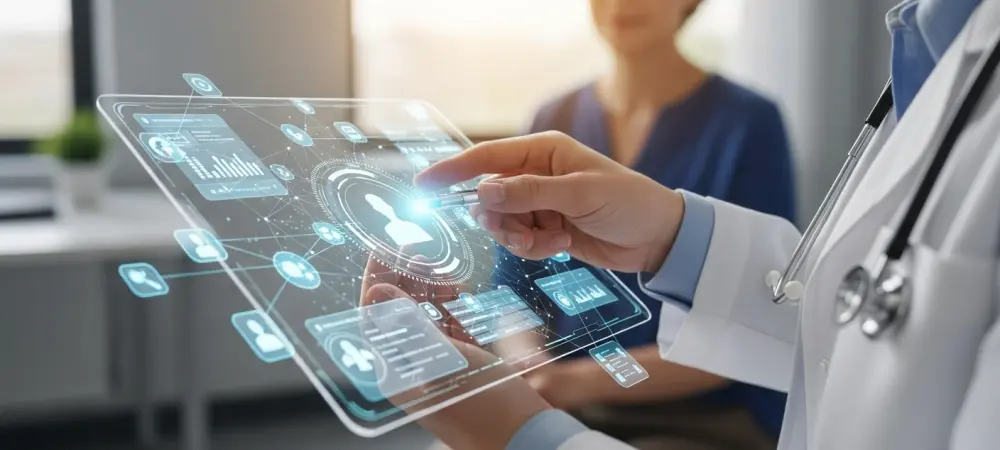
The journey a patient takes through the healthcare system is often a disjointed narrative, told in fragments across clinical charts, billing systems, and communication logs, leaving providers with an incomplete picture of the person they are trying to heal. In a landscape where patient experience is as critical as clinical outcomes, the separation of Electronic Health Records (EHR) from Customer Relationship Management (CRM) systems represents a fundamental disconnect that hinders growth and fragments care. Bridging this gap is no longer a forward-thinking aspiration but a present-day necessity for creating a truly patient-centric model. This article serves as a comprehensive guide, structured in a frequently asked questions format, to explore the intricacies of EHR and CRM integration. It aims to answer pivotal questions about how this synergy works, the profound benefits it delivers, the various models of implementation, the challenges involved, and the strategic process required for a successful deployment, providing healthcare leaders with the insights needed to navigate this critical transformation.
Frequently Asked Questions About EHR and CRM Integration
What Exactly Is EHR and CRM Integration and How Does It Function
The concepts of Electronic Health Records and Customer Relationship Management have traditionally occupied separate spheres within healthcare operations, each serving a distinct yet vital purpose. EHR systems are the clinical backbone of an organization, meticulously documenting a patient’s medical history, diagnoses, medications, treatment plans, and test results. In contrast, CRM platforms are designed to manage the patient’s journey from a relationship perspective, tracking interactions like appointment scheduling, communication preferences, feedback, and marketing engagement. The fundamental challenge arises because these two powerful systems often operate in silos, creating a fractured view where the clinical patient and the consumer patient appear as two different entities.
EHR and CRM integration works by building a secure, automated bridge between these two worlds, allowing for the seamless flow of data in a controlled and purposeful manner. This connection is typically facilitated by Application Programming Interfaces (APIs) or specialized middleware that translates and syncs information between the distinct architectures of the EHR and CRM. The result is a unified, 360-degree patient profile that combines deep clinical insights with a complete history of patient interactions. For instance, when a patient’s EHR is updated with a new diabetes diagnosis, the integrated CRM can automatically enroll them in a targeted educational email campaign about diet and lifestyle management, schedule follow-up calls, and send personalized appointment reminders, all without manual intervention. This synchronization ensures that both clinical and administrative teams are working from the same comprehensive and up-to-date information, transforming disjointed data points into a cohesive and actionable patient narrative.
Why Is Integrating EHR and CRM Systems Considered Essential for Modern Healthcare
In the competitive and value-based landscape of modern healthcare, the strategic integration of EHR and CRM systems has transitioned from a technological advantage to an operational imperative. The necessity stems from the growing demand for personalized patient experiences and the simultaneous pressure on healthcare organizations to improve efficiency and drive sustainable growth. When clinical data remains isolated from patient engagement data, providers miss crucial opportunities to proactively manage care, foster loyalty, and streamline their administrative processes. This separation leads to inefficiencies, such as redundant data entry and poorly coordinated communication, which can negatively impact patient satisfaction and the organization’s bottom line.
The tangible benefits of a successful integration are extensive and impact nearly every facet of a healthcare organization. Clinically, it leads to better outcomes by providing caregivers with a holistic view that enables more informed and timely decision-making. Access to a patient’s communication history and preferences can help clinicians tailor their care plans, improving adherence and identifying at-risk individuals sooner. Operationally, the automation of workflows, from appointment reminders to billing inquiries, significantly reduces the administrative burden on staff, freeing them to focus on higher-value tasks and direct patient care. Financially, this streamlined efficiency, coupled with enhanced patient acquisition and retention strategies driven by targeted CRM insights, creates a powerful engine for revenue growth. According to industry analyses, this level of digital and data-driven optimization can lead to a substantial increase in contribution margin, proving that integration is a direct investment in both clinical excellence and financial viability.
What Are the Different Types of EHR and CRM Integration Models
Choosing the right integration model is a critical decision that depends heavily on an organization’s specific goals, technical infrastructure, and budget. There is no one-size-fits-all solution, and understanding the distinct types of integration allows for a more strategic and cost-effective implementation. The choice directly influences the complexity, functionality, and scalability of the connected system, making it essential to align the model with both immediate needs and long-term objectives. From simple, unidirectional data flows to highly customized, bi-directional ecosystems, each model offers a unique set of advantages and limitations.
The most straightforward approach is a one-way integration, where data flows exclusively from the EHR to the CRM. This model is often employed for patient outreach and marketing, allowing the CRM to use clinical data, such as a recent diagnosis or a completed procedure, to trigger relevant communications like follow-up surveys or educational materials. While cost-effective and relatively simple to implement, its limitation is that the CRM cannot write data back to the EHR, meaning patient updates made in the CRM must be manually transferred. In contrast, a two-way integration enables a bi-directional sync, where data flows freely between both systems in near real-time. If a patient updates their contact information through a CRM portal, that change is automatically reflected in the EHR, ensuring data consistency and accuracy across the board. This model is ideal for organizations seeking deep operational synergy between clinical and administrative teams.
Beyond these foundational models, more nuanced approaches exist. Modular integration allows an organization to connect only specific functions or modules, such as integrating the appointment scheduling feature of the CRM with the EHR’s patient records. This targeted approach can be a practical starting point, addressing an immediate need without the complexity of a full-system overhaul. For large healthcare systems with unique workflows and legacy platforms, a custom API-based integration offers the highest degree of flexibility. This involves developing bespoke APIs to connect the EHR and CRM, allowing for tailored data flows and processes that off-the-shelf solutions cannot accommodate. While this approach provides unparalleled control and scalability, it also represents the most significant investment in terms of time, cost, and ongoing maintenance, making it best suited for enterprises with complex and specific integration requirements.
What Is the Step by Step Process for a Successful Integration
A successful EHR and CRM integration is far more than a technical project; it is a strategic initiative that requires meticulous planning, cross-departmental collaboration, and a phased execution. Rushing into implementation without a clear roadmap is a common pitfall that leads to budget overruns, frustrated users, and a system that fails to deliver on its promise. A structured, step-by-step process ensures that the final solution is aligned with organizational goals, technically sound, and fully adopted by the teams who will use it daily. This journey can be broken down into distinct phases, each with its own set of critical tasks and considerations.
The process begins with a comprehensive planning and assessment phase. This initial step involves defining clear, measurable goals for the integration. Is the primary objective to improve patient engagement, streamline the billing cycle, or enhance care coordination? Answering this question informs the entire project. This phase includes gathering requirements from all stakeholders, including clinicians, administrative staff, IT personnel, and marketing teams, to ensure the integrated system addresses their specific pain points. Concurrently, a thorough evaluation of the existing technology stack is crucial. This involves assessing the interoperability of the current EHR and CRM platforms, their support for industry standards like FHIR (Fast Healthcare Interoperability Resources) and HL7 (Health Level Seven), and their ability to scale with future growth.
Once the strategy is set, the technical implementation phase begins. A critical task within this phase is data mapping, which involves painstakingly identifying corresponding data fields across both systems to ensure information is transferred accurately. For example, a patient’s name, date of birth, and medical record number must be mapped precisely to prevent the creation of duplicate records or data corruption. Following mapping, the actual connection is built, either by leveraging pre-built connectors, implementing a middleware solution to act as a translator between the systems, or undertaking custom development for more complex needs. This is followed by a rigorous testing and validation phase, where every workflow and data sync is tested to identify bugs, security vulnerabilities, and compliance gaps. Scenarios are run to ensure that patient data remains secure and that the integration is fully compliant with regulations like HIPAA.
The final stage focuses on adoption and optimization. A technically perfect system is useless if no one knows how to use it effectively. This phase involves a comprehensive training and rollout plan, tailored to the specific roles of different users. Clinicians need to understand how CRM insights can inform their patient interactions, while administrative staff need to be proficient in the new automated workflows. The launch should be followed by a period of continuous monitoring, where key performance indicators—such as data accuracy, system uptime, and user adoption rates—are tracked. This ongoing oversight allows for timely adjustments and optimizations, ensuring the integrated system continues to evolve and deliver value long after the initial implementation is complete.
What Are the Primary Challenges Encountered During Integration and How Can They Be Overcome
While the benefits of EHR and CRM integration are compelling, the path to achieving a seamless connection is often laden with significant challenges that can derail a project if not proactively addressed. These hurdles are not purely technical; they also encompass data governance, regulatory compliance, and organizational change management. Recognizing these potential obstacles from the outset allows healthcare organizations to develop strategies to mitigate them, ensuring a smoother and more successful implementation process.
One of the most pervasive challenges is data fragmentation. Many healthcare organizations operate with legacy EHR systems where data is siloed, unstructured, or inconsistent. Attempting to merge this fragmented data with a structured CRM can be like mixing oil and water, leading to inaccuracies and unreliable patient profiles. The solution lies in a dedicated data governance strategy that begins before the integration itself. This involves a thorough process of data cleansing to remove duplicates and correct errors, followed by standardization to ensure data formats are consistent across systems. Adopting modern interoperability standards like FHIR is also crucial, as it provides a common language for disparate systems to communicate effectively.
System incompatibility presents another significant technical barrier. Not all EHR and CRM platforms are designed to communicate with each other, especially older, proprietary systems that lack open APIs. This can force organizations into costly and time-consuming custom development projects to build the necessary bridges. To overcome this, it is essential to conduct a thorough technical assessment during the planning phase. If existing systems are found to be incompatible, investing in a middleware platform can serve as an effective intermediary. For organizations selecting new systems, prioritizing platforms with robust, well-documented APIs and proven interoperability capabilities is a key long-term strategy. Furthermore, the sensitive nature of health information introduces critical compliance and security risks. The flow of protected health information (PHI) between the EHR and CRM must be meticulously managed to avoid violating HIPAA regulations. This requires implementing robust security measures, including end-to-end encryption for data in transit and at rest, strict role-based access controls to limit who can view sensitive information, and comprehensive audit trails to track all data access and modifications.
Beyond the technical aspects, user adoption often proves to be a formidable challenge. Clinicians and staff who are accustomed to existing workflows may resist a new, integrated system, perceiving it as complex or disruptive. This resistance can undermine the entire project. Overcoming this requires a strong change management plan that involves users from the beginning of the process. Demonstrating how the new system will simplify their tasks and improve patient care is essential for gaining buy-in. Comprehensive, role-specific training and ongoing support are non-negotiable for ensuring users feel confident and empowered. Finally, managing the cost of integration is a constant concern. The expenses can escalate quickly, from software licensing and middleware to custom development and training. A transparent and realistic budget, established through a detailed cost-benefit analysis, is vital. Adopting a phased implementation approach can also help manage costs by allowing the organization to realize initial benefits and ROI before committing to subsequent, more complex stages of the project.
Key Takeaways Summarized
The integration of EHR and CRM systems stands as a cornerstone of modern healthcare delivery. At its core, this synergy creates a single, unified source of truth for each patient, merging their clinical history with their engagement journey. This holistic view empowers healthcare providers to deliver more personalized and proactive care, moving beyond episodic treatment to foster lasting patient relationships. The benefits manifest across the organization, driving significant improvements in operational efficiency by automating manual tasks and eliminating data silos that hinder productivity. This streamlined environment not only reduces administrative burdens but also enhances care coordination among diverse teams.
Furthermore, integrating these platforms is a direct driver of patient engagement. By leveraging a comprehensive understanding of each patient’s needs and preferences, organizations can deploy targeted communication strategies that improve treatment adherence, boost satisfaction, and build loyalty. This focus on the patient experience, combined with optimized workflows and more accurate billing cycles, culminates in sustainable financial growth. Ultimately, the successful fusion of EHR and CRM systems is not merely a technological upgrade; it represents a fundamental strategic shift toward a more connected, efficient, and patient-centric model of care, where data-driven insights translate directly into better health outcomes and a stronger organizational future.
Concluding Thoughts on the Future of Connected Healthcare
The journey to integrate Electronic Health Records with Customer Relationship Management platforms has revealed itself to be a transformative endeavor, fundamentally reshaping the architecture of patient care. The exploration of its mechanisms, benefits, and challenges demonstrated that this was not simply about connecting software but about reorienting the entire healthcare ecosystem around a singular, cohesive view of the patient. The process underscored the necessity of meticulous planning, strategic technology choices, and a deep commitment to managing the human elements of change. Organizations that successfully navigated this path found that they had built more than just an efficient operational backbone; they had cultivated a more profound and responsive relationship with the communities they served. This evolution from fragmented data silos to an integrated, intelligent system marked a pivotal step away from reactive sick care and toward proactive wellness management. The ability to anticipate patient needs, personalize communication, and coordinate care seamlessly was no longer a distant goal but an achievable standard. As healthcare continues to advance, the principles learned from this integration—prioritizing interoperability, leveraging data for decision-making, and placing the patient at the center of every workflow—have become the foundational pillars for future innovation. The successful unification of clinical and relational data was a clear indicator that the future of healthcare would be defined not by the technologies themselves, but by how intelligently they were connected to serve the human experience.