

Long before a family ever walks through the front door of a senior living community, they have likely spent dozens of hours scrutinizing every corner of its digital footprint. This quiet research phase occurs when adult children look for answers about care quality and safety. The web page is now the primary welcome mat for the industry.
Modern consumers demand immediate transparency; a lack of data often leads a prospect to disqualify a location before any conversation occurs. Today, the digital presence of a community acts as the first filter for quality, making the online experience just as vital as the physical care provided on-site.
Beyond the Brochure: The High-Stakes Digital Search for Quality Care
Traditional marketing centered on physical collateral has become a secondary support tool. Families initiate their journeys through search engines, seeking evidence of clinical excellence and community social atmosphere. This shift necessitates a web-first approach where transparency is a baseline requirement for entering the selection process.
Those who fail to provide comprehensive digital assets remain invisible during these critical research phases. Prospective residents no longer rely on curated sales pitches, opting instead for social media presence and online reviews to form an unbiased opinion of the care environment.
Navigating the Evolution of the Senior Living Decision-Making Process
Cold calling has declined as consumers assert more control over their research journey. Adult children utilize mobile devices to compare multiple communities simultaneously. This evolution forces operators toward digital-first strategies to meet families exactly where they are in their decision window.
Digital platforms allow communities to establish thought leadership through proactive engagement. By providing value-driven content early, providers replace reactive outreach with helpful, information-rich interactions that build a foundation for future move-ins.
Strategic Pillars of Modern Occupancy: Visibility, Trust, and Engagement
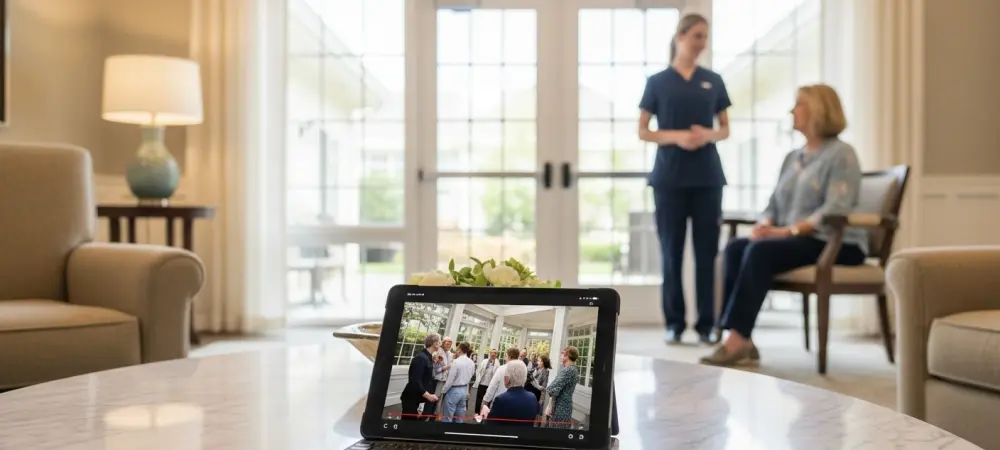
Visibility begins with localized search engine optimization and the meticulous management of Google profiles. Capturing high-intent leads requires appearing in local searches at the precise moment a family needs assistance. Building trust involves using high-quality virtual tours and resident stories to showcase the human element. Multimedia content bridges the gap between clinical requirements and the emotional peace of mind families seek. Targeted advertising ensures marketing spend reaches specific demographics, maximizing the impact of every dollar during a high-stakes search journey.
Analyzing Industry Trends and the Reallocation of Marketing Capital
Operators currently commit 62% of budgets to digital channels. This trend persists as traditional media ROI continues to dwindle compared to digital-first communities. Data shows 57% of professionals identify digital marketing as the primary driver for occupancy in the current market.
Digital-first communities consistently outperform traditional peers in census growth. The competitive advantage belongs to those with sophisticated digital reach, making the reallocation of capital a survival necessity for communities aiming to maintain a full census.
A Roadmap for Converting Digital Interest Into Successful Move-ins
Successful operators implemented robust CRM systems to ensure no lead was lost during the transition from a website click to a physical tour. They recognized that responsiveness was the ultimate differentiator.