

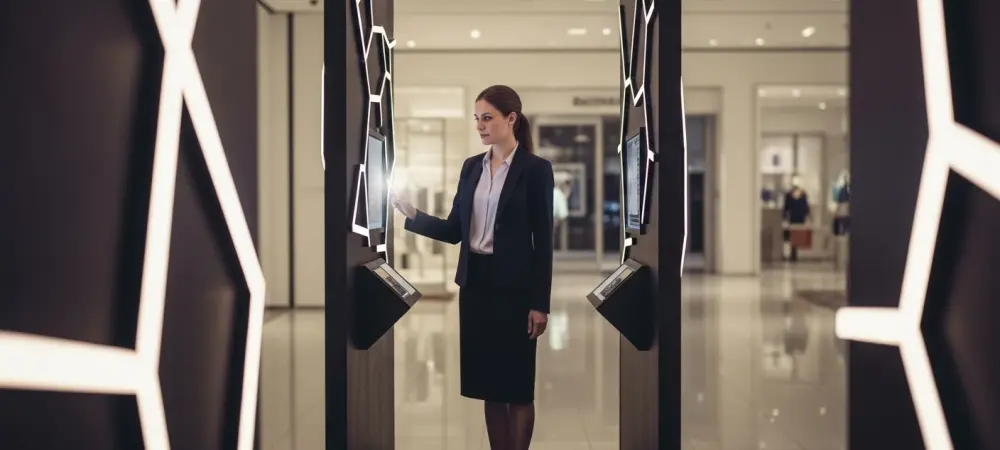
Aisha Amaira is a leading MarTech strategist who has spent years dissecting the intersection of technology, CRM systems, and customer data platforms to understand what truly drives human behavior. With a deep passion for how innovation can derive key consumer insights, she has become a vocal advocate for moving beyond traditional digital metrics. In an era defined by constant connectivity and the psychological toll of the “infinite scroll,” Aisha specializes in helping brands reclaim consumer attention by integrating digital precision with the undeniable power of physical, real-world experiences.
The following interview explores the evolution of consumer engagement in a world where attention spans are plummeting and digital fatigue is at an all-time high. Aisha discusses the shift from fleeting dopamine hits to long-term emotional resonance, the resurgence of out-of-home advertising, and the strategic necessity of balancing snackable digital content with meaningful offline touchpoints.
With screen attention spans dropping to 47 seconds and people checking phones every five minutes, how do you redefine “engagement”? What specific metrics should brands prioritize when traditional reach no longer guarantees they will be remembered, and how can they measure the impact of being truly “present” for a customer?
Engagement can no longer be defined by the mere act of a thumb stopping for a millisecond; we have to distinguish between being seen and being remembered. When the average person is checking their device 205 times per day, traditional reach becomes a vanity metric that ignores the reality of fragmented attention and shallow consumption. Brands need to shift their priority toward “presence” and emotional recall—metrics that track how a brand stops the noise rather than just adding to it. Measuring this requires looking at deep-thinking indicators, such as the duration of meaningful interaction or the transition from a digital touchpoint to a physical experience. It is about moving away from the 47-second window and creating moments that encourage a “pause” in the consumer’s daily rhythm, ensuring the brand exists as a memory rather than a fleeting data point in a feed.
Digital feeds often deliver emotional whiplash, mixing tragedy with trivial memes and advertisements. How can brands navigate this chaotic environment without contributing to user overwhelm, and what specific creative steps are necessary to transition from delivering fleeting dopamine hits to creating genuine, long-term emotional resonance?
The current digital landscape is a “chaos creator” that forces users to process war headlines one moment and a weight loss advert or a sourdough recipe the next. To navigate this without overwhelming the audience, brands must abandon the pursuit of the “fleeting high” provided by gamified, brightly colored shopping loops designed for addictive consumption. We need to focus on slower, more intentional storytelling that provides an antidote to the relentless flood of emotional input. This means creating content that feels human and restorative, moving away from “curated perfection” toward authenticity that acknowledges the user’s need for silence and pause. By leaning into nostalgia or long-form narratives, we can build a genuine emotional connection that survives long after the algorithm has refreshed the feed.
Roughly 80% of younger adults now express a desire to disconnect from their devices entirely to escape the “infinite scroll.” What role does physical, experiential marketing play in meeting these consumers, and how can brands design offline moments that feel restorative and human rather than intrusive?
Physical marketing is currently seeing a massive revival because it offers the “real-world escapism” that 81% of Gen Z and 78% of Millennials are actively searching for. With interest in “digital detox vision boards” skyrocketing by 273%, it is clear that consumers want to feel alive in a tangible environment. Brands should design offline moments—like immersive pop-ups or interactive environments—that act as a refreshing break from the screen rather than a forced sales pitch. These experiences should prioritize “presence,” allowing people to breathe and connect in a way that feels nostalgic and slow, much like the #BookTok movement has revived the love for physical books. When an offline moment feels human and allows for a genuine rhythm, it stops being an advertisement and starts being a meaningful part of the consumer’s day.
Out-of-home advertising is seeing a resurgence, with a vast majority of businesses significantly increasing their budgets for digital billboards and immersive displays. How should a marketing team integrate these physical touchpoints with their digital strategy, and what does a successful, balanced cross-channel campaign look like today?
A successful campaign today is a hybrid model that pairs “snackable” digital content for quick hits with deep, immersive IRL touchpoints that stop the scroll entirely. We are seeing a major cultural pivot where 87% of businesses have already increased their spend on Out-of-Home (OOH), and 64% plan to increase Digital OOH (DOOH) budgets further. Integration means using physical displays not as silos, but as anchors that naturally direct people back to shareable digital moments in a way that feels organic. For instance, a DOOH placement can act as the “stop and look up” moment, while a virtual AR try-on provides the interactive digital layer. The goal is a balanced mix where the physical world provides the sensory impact and the digital world provides the convenience and connectivity.
Dynamic creative now allows advertisements to adapt in real-time based on local events or environmental activities. What technical or creative hurdles do brands face when implementing this level of responsiveness, and how does this “look up” approach fundamentally change the way we tell brand stories?
The primary hurdle is moving beyond static planning to a mindset of real-time anticipation, where creative assets must be flexible enough to change based on the immediate environment. Technically, this requires robust data integration to ensure that an outdoor placement feels relevant to the specific moment someone is walking past it. This “look up” approach changes storytelling by making the brand a participant in the consumer’s actual reality rather than a distractor on their screen. Instead of shouting for attention in a crowded feed, the brand becomes a meaningful part of the landscape, reacting to the world’s rhythm. This turns a simple advertisement into a responsive narrative that respects the user’s physical space and time, making the brand much more likely to be remembered.
What is your forecast for the future of digital-physical marketing balance?
I forecast a future where we move away from the “endless feed” as the primary battleground and instead focus on a sophisticated rebalancing of the marketing mix. We will see brands investing more heavily in programmatic DOOH, which is already outpacing channels like CTV in markets like the UK, as they realize that the most powerful connections happen when people are away from their phones. Digital will not disappear, but it will serve as the connective tissue for high-impact, real-world experiences that remind us what it feels like to be human. My advice for readers is to stop chasing reach and start chasing “rhythm”—build strategies that respect the consumer’s need to disconnect, because the brands that help people look up and breathe are the ones that will win the next decade.