

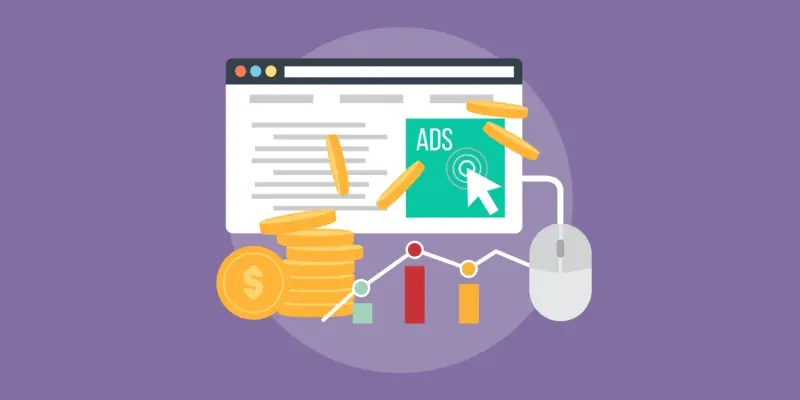
In today’s digital age, Pay-Per-Click (PPC) advertising has evolved beyond simply driving website traffic and has become a fundamental component in enhancing the synergy between marketing and sales teams. As businesses seek to optimize their reach and performance, PPC emerges as a sophisticated tool to align marketing’s creative outreach with sales’ conversion-focused goals. With constant advancements in digital marketing over the past two decades, PPC continues to play a crucial role in establishing a coherent strategy, essential for businesses aiming for heightened visibility and increased sales. Highlighting PPC’s ability to unify disparate marketing and sales objectives through shared metrics, this exploration delves into how companies might leverage these dynamics moving forward.
The Unified Metrics Advantage
One of the primary ways PPC advertising fosters collaboration between marketing and sales is by bridging the gap traditionally formed by disparate key performance indicators (KPIs). Marketers often prioritize metrics such as impressions and click-through rates, whereas sales teams focus on leads and closing deals. By establishing a unified measurement framework, PPC allows both teams to center their efforts on the journey from ad impression to actual sale. This shared focus is evident in cases like a UK-based e-commerce retailer that implemented a PPC-driven reporting system. This change allowed both departments to synchronize their performance metrics and strategies, which significantly increased conversion rates. The system enabled proactive optimization of campaigns, ensuring that resources spent on PPC activities translated efficiently into sales outcomes.
The dynamic nature of PPC enables real-time data analysis, supporting agile responses to fast-paced market conditions. Platforms like Google Ads and Meta offer unparalleled insights into demographic performance, allowing marketing teams to adjust in real time, aligning their strategies with immediate sales feedback. This adaptability was notably demonstrated by a B2B building supplies company that used PPC insights to identify the most responsive industry segments. They successfully redirected their budget to higher-converting industries, leading not only to enhanced engagement but also an intensified focus and cooperation in the subsequent sales efforts. With each PPC-driven adjustment, the company observed consistent improvements in their return on investment, underscoring the importance of tangible insights derived through targeted digital efforts.
The Impact of Personalization and Retargeting
The implementation of personalization and contextual targeting within PPC campaigns has significantly influenced the effectiveness of marketing strategies. Through features like dynamic ads and retargeting, marketing teams are now equipped to communicate with prospects more likely to convert, ensuring relevant and timely messaging. Personalization not only enhances the customer experience but also refines the quality of leads handed over to sales teams, ensuring more fruitful interactions. This growing trend of personalizing PPC endeavors has been accelerated by advancements in AI and automation, allowing large-scale, nuanced advertising campaigns. For instance, a healthcare client in the UK employed AI-driven personalization to lower their cost-per-click by 40%, leading to substantially more engaging and productive conversations for their sales teams.
Despite the achievements, implementing and maintaining PPC efforts is not devoid of challenges. With nearly 46% of UK businesses expressing concerns over the effectiveness of their reach and a concurrent rise in cost-per-click, budgeting becomes a crucial aspect of strategy. Declining click-through rates reported by around 30% of organizations point towards challenges like potential ad fatigue or misaligned audience targeting. These hurdles highlight the need for companies to integrate advanced communication tools and strategies. A notable approach was taken by a study skills company in the UK which augmented its digital campaigns with offline strategies such as sponsoring conferences. Combining online and offline methodologies proved to enhance ROI, demonstrating the importance of an adaptive, multifaceted advertising strategy.
Future Prospects in Marketing and Sales Synergy
In the current digital landscape, Pay-Per-Click (PPC) advertising has evolved significantly. It no longer just focuses on driving website traffic but has become vital in bridging the gap between marketing and sales teams. As businesses strive to maximize their reach and results, PPC has developed into an advanced tool that aligns marketing’s creative efforts with sales’ conversion objectives. The past two decades have seen continuous advancements in digital marketing, with PPC playing a key role in formulating a cohesive strategy. This is crucial for companies aiming to increase their visibility and boost sales. By integrating marketing and sales goals through shared performance metrics, PPC fosters a unified approach to achieving business objectives. This exploration delves into how companies can effectively harness these synergies moving forward, utilizing PPC to not only streamline processes but also to drive growth and efficiency in an increasingly competitive market.