

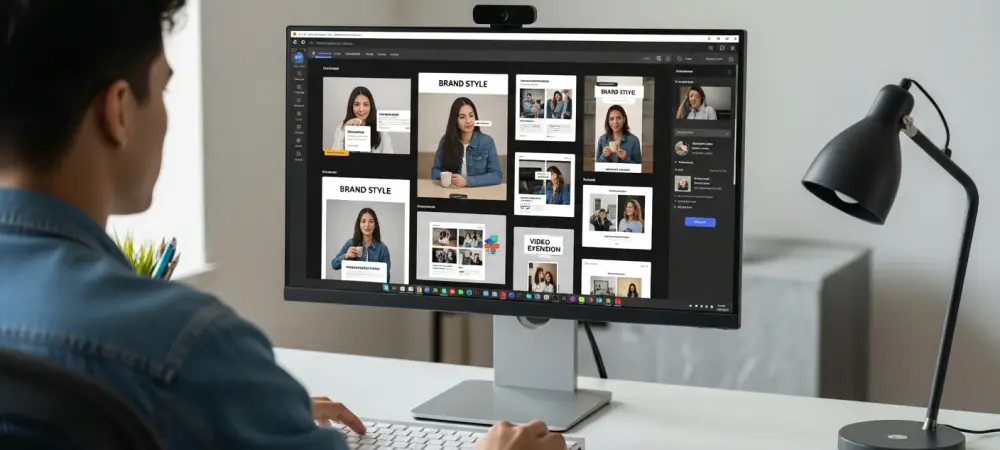
The modern digital landscape demands a relentless pace of content production that frequently forces creators to choose between quantity and genuine artistic quality. While traditional editing suites have long relied on complex layer systems and manual adjustments, the emergence of voice-first creative assistants marks a fundamental shift in how digital media is conceptualized and executed. This transition addresses the pervasive “blank canvas” problem where individuals often struggle to initiate projects without an existing template or a specific spark of inspiration. By integrating natural language processing directly into the creative engine, a new paradigm allows for the conversion of spoken ideas into visual realities without the need to navigate deep menu hierarchies or technical sub-panels. This approach effectively democratizes high-level design, making sophisticated video and image manipulation accessible to entrepreneurs and hobbyists who lack formal graphic training. The focus moves from mastering software to refining a vision, allowing technology to handle the technical execution.
Bridging the Gap: Between Concept and Execution
This technological evolution is best exemplified by the ability to maintain context across multiple editing sessions, transforming the tool from a static utility into a collaborative partner. Unlike previous iterations of automated software that treated every task as an isolated event, current AI-driven platforms like Aura learn specific aesthetic preferences and stylistic nuances over time. This capability ensures that a brand’s visual identity remains consistent throughout various social media campaigns without the need for repetitive manual input of brand colors or specific font styles. Furthermore, the integration of advanced video animation features allows for the near-instantaneous conversion of static images into dynamic clips, significantly reducing the turnaround time for short-form video content across major platforms. Features such as video extension provide the flexibility to lengthen existing footage, ensuring that posts meet the specific duration requirements of different algorithms. This level of automation does not replace human creativity but rather amplifies it by removing the friction associated with production.
Future Considerations: Professional Creative Workflows
The shift toward conversational creative interfaces established a new standard for efficiency within the marketing and social media industries. Professional creators found that a hybrid workflow, which combined AI-driven commands with traditional manual fine-tuning, offered the best balance of speed and precision. This synergy allowed for rapid prototyping followed by detailed adjustments to typography and brushwork, ensuring that the final output maintained a professional polish. Organizations that integrated these voice-first tools into their daily operations reported a marked decrease in the technical expertise required for high-quality output. To stay competitive, content creators began prioritizing the development of clear, descriptive communication skills to better guide their AI copilots. Strategic focus shifted toward long-term brand storytelling rather than the minutiae of software navigation. Moving forward, teams should evaluate their current creative bottlenecks and pilot conversational tools to streamline their production pipelines. Adopting these technologies early provided a significant advantage in maintaining engagement.