

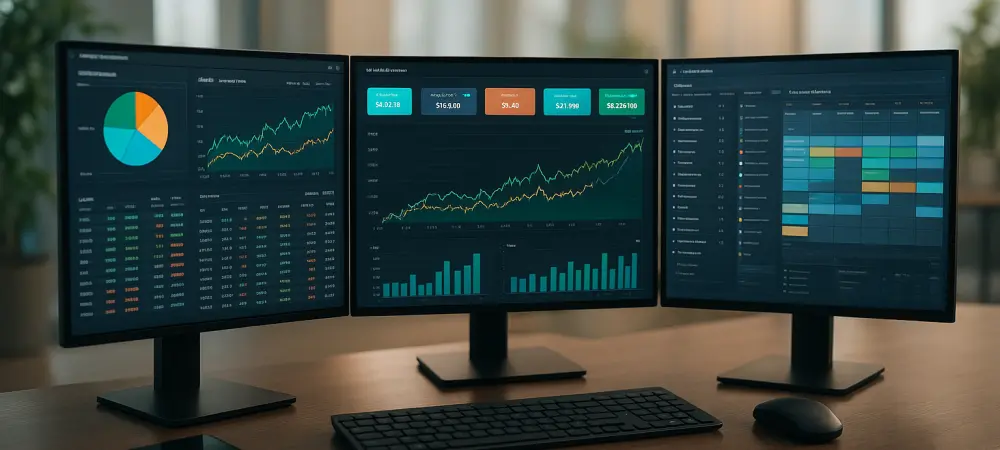
Financial advisers currently sacrifice up to fifteen hours every week to manual administrative tasks such as meeting preparation and note-taking. This significant loss of time highlights a systemic inefficiency where high-level professionals are bogged down by duties that do not directly contribute to client wealth generation or relationship deepening. Historically, the Customer Relationship Management system was viewed as little more than a digital Rolodex, a place to store phone numbers and static records of past calls. However, in the current landscape of 2026, the demand for sophisticated, personalized financial advice has outpaced the capabilities of these traditional, passive repositories. The modern industry is now witnessing a fundamental shift toward integrated adviser workspaces that prioritize actionable intelligence over raw data. By adopting specialized tools like the Maximizer Financial Services Edition, firms are moving away from fragmented silos and toward a unified environment that empowers advisers to focus on the human connections that are the true drivers of success.
Revolutionizing the Workflow through Intelligence
Beyond Digital Rolodexes: Transitioning to Actionable Data
The primary challenge facing the modern wealth management professional is not an absence of data, but rather an inability to synthesize a massive influx of information into a coherent strategy when it matters most. Information regarding specific investment details, intricate compliance records, and historical portfolio performance often resides in isolated pockets across various software platforms. This fragmentation makes it nearly impossible to gain a comprehensive, real-time view of a client’s financial ecosystem without hours of manual consolidation. A sophisticated CRM addresses this critical gap by creating a unified 360-degree profile that serves as the heartbeat of the practice. Instead of just listing facts, the system tracks nuanced risk preferences and shifting life stages, ensuring every piece of data is active. This transformation allows the professional to pivot from a reactive stance to a proactive one where technology informs the next logical step in the relationship.
To move beyond the limitations of traditional record-keeping, firms must embrace platforms that prioritize contextual awareness over simple data entry. When an adviser opens a client file, they should immediately see a narrative of the relationship rather than a disjointed list of transactions. This approach involves integrating behavioral insights and psychographic data into the core CRM structure, allowing for a deeper understanding of client motivations and anxieties. By doing so, the software becomes a strategic partner that can flag potential issues before they escalate. For example, if a client’s risk tolerance begins to diverge from their current portfolio allocation due to market volatility, the system should highlight this discrepancy automatically. This evolution from a static database to a dynamic intelligence hub is essential for staying competitive in an environment where clients expect advisers to be highly informed and responsive to their specific needs throughout the year.
Solving the Productivity Crisis: The Power of Automation
Recent research into industry performance indicates that administrative tasks represent the single greatest drain on professional output within financial firms. Many advisers find themselves operating as overqualified administrative coordinators, spending a disproportionate amount of their day on scheduling and manual data entry. This misallocation of talent not only leads to professional burnout but also limits the firm’s ability to scale its services to a broader client base. By automating the administration surrounding the adviser, firms can reclaim between ten and fifteen hours of productivity every single week. This reclaimed time is not just a statistical improvement; it represents a fundamental shift in how the business operates. When the burden of routine tasks is lifted, the adviser is finally free to engage in the high-level strategic planning and empathetic communication that technology cannot replicate, thus maximizing the value they bring to every single client interaction.
Effective automation extends far beyond simple email templates; it involves the intelligent orchestration of the entire client engagement lifecycle. A modern CRM system handles the heavy lifting of pre-meeting preparation by automatically pulling relevant reports and summarizing recent communications, ensuring the adviser is fully briefed without manual effort. Following the meeting, the system can automatically assign follow-up tasks to the appropriate team members and update compliance logs based on the discussion notes. This level of coordination ensures that no critical detail or client request falls through the cracks, maintaining a high standard of service even as the firm grows. By allowing the system to manage the flow of work, the practice becomes more resilient and less dependent on the manual diligence of individual staff. This systematic approach to productivity creates a sustainable model for growth where technology serves as a reliable foundation for all daily operations.
The Strategic Integration of AI and Compliance
Predictive Assistants: The Evolution of Client Insight
Artificial Intelligence acts as a powerful catalyst in this technological shift, transforming the CRM from a historical ledger into a proactive assistant. Instead of requiring the adviser to manually dig through years of email correspondence and meeting transcripts to find a specific detail, AI can synthesize these records into concise briefs in seconds. AI tools can automatically generate accurate meeting summaries, capturing the nuances of the conversation and identifying key action items without the need for manual transcription. This automation of the documentation process not only saves time but also improves the accuracy of the firm’s records, ensuring the advice given is always based on the most current information available, thereby enhancing the overall quality of the client experience and strengthening the trust between all parties involved.
The true power of AI in the financial services sector lies in its predictive capabilities, which allow advisers to anticipate client needs before they are explicitly expressed. By analyzing patterns in client behavior and market trends, the system can flag opportunities for proactive outreach, such as a needed portfolio rebalance or a discussion about estate planning. This shift moves the focus of the relationship from a retrospective view of what happened to a forward-looking strategy of what should happen next. Professionals can use these insights to provide personalized advice that resonates with specific circumstances, fostering a sense of partnership. In an era where digital-only services are common, the ability of a human adviser to provide AI-enhanced insights is a significant differentiator. It ensures the human element of planning is supported by advanced analytical tools, resulting in a superior and more durable service delivery model.
Operational Security: Integrating Compliance into Routine
In the strictly regulated environment of 2026, compliance can no longer be treated as a separate process that occurs after a client interaction has concluded. To ensure efficiency and safety, a well-designed CRM must integrate Know Your Customer protocols and risk assessments directly into the native workflow of the adviser. By embedding these requirements into the daily routine, firms create an automated and auditable trail of every decision and recommendation made. This structured approach reduces the risk of human error and ensures the firm remains in constant alignment with the latest legal standards. When compliance is a byproduct of the work itself rather than an additional chore, advisers can focus on their clients with the confidence that the necessary safeguards are already in place. This seamless integration of oversight into the technology platform is a key component of modern risk management, allowing firms to navigate complex landscapes with great agility and precision.
The transition toward AI-driven CRM systems offered a clear path forward for firms that sought to overcome the productivity crisis and improve client outcomes. By moving away from static data storage and embracing dynamic, integrated workspaces, professional advisers successfully reclaimed their time and refocused their efforts on high-value human interactions. These systems did not replace the expertise of the human professional but rather enhanced it, providing the analytical support and operational discipline necessary to thrive in a complex market. Firms that prioritized this technological evolution established a foundation for sustainable growth and a more resilient business model. Looking ahead, the focus remained on the continuous refinement of these digital assistants to better serve the evolving needs of the financial community. The successful integration of these tools ultimately redefined the role of the adviser, proving that human empathy and machine intelligence were an effective strategy.