

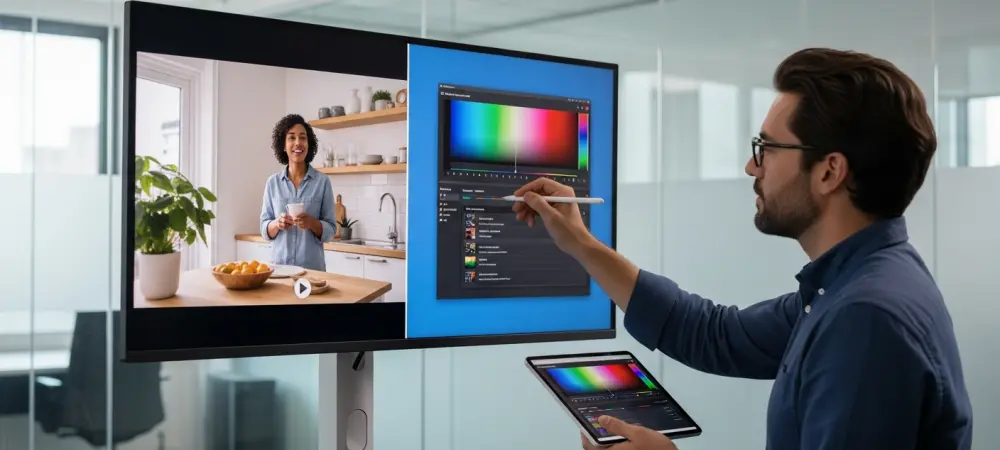
The digital advertising landscape has reached a pivotal turning point where the once-prized high-gloss finish of professional studio productions is being systematically rejected by a consumer base that prioritizes raw honesty over polished perfection. Today’s audiences have developed a finely tuned radar for corporate artifice, often ignoring multimillion-dollar campaigns in favor of simple smartphone videos recorded by fellow shoppers in their own homes. This fundamental shift has forced a total reevaluation of what constitutes effective marketing materials in the current digital ecosystem. While professional agencies once focused on removing every possible blemish or stutter, modern brands are finding that these very imperfections are what drive engagement. However, a dangerous misconception persists that authenticity must equal technical incompetence. If the lighting is so poor that a product is obscured, or the audio is so distorted that the message is lost, the viewer will quickly move on to the next piece of content. The central challenge for marketers is to maintain the human element of a peer recommendation while ensuring the technical delivery remains high enough to command respect and retain attention.
The Psychological Foundations of Consumer Trust
Peer-to-Peer Influence: Decoding the Primal Currency of Digital Engagement
The unprecedented success of user-generated content is deeply rooted in human psychology, where trust serves as the primary currency for any digital interaction. When a consumer views a video created by an actual customer, the brain processes the information as a personal recommendation rather than a manipulative sales pitch. This peer-to-peer connection allows brands to effectively bypass the natural psychological defenses that people have built against traditional hard-sell advertising techniques. In an environment where shoppers feel bombarded by corporate messaging, the relatable voice of a real person provides a sense of safety and validation. This is not merely about showing a product; it is about reflecting the viewer’s own reality back to them through the eyes of someone they perceive as an equal. The effectiveness of this approach is amplified when the creator shares genuine struggles or candid opinions, as these vulnerabilities build a bridge of credibility that a polished spokesperson simply cannot replicate.
Building on this psychological foundation, the shift toward relatable content has fundamentally changed how brands measure the value of their creative assets. It is no longer enough to have a recognizable celebrity or a stunning visual background if the core message feels disconnected from the user’s daily life. Consumers are looking for social proof that a product works in a real-world context, such as a cluttered kitchen or a busy office, rather than a sterile studio environment. By leaning into this desire for realism, organizations can cultivate a much deeper sense of brand loyalty that transcends a single transaction. This strategy requires a certain level of bravery from marketing departments, as it involves relinquishing total control over the visual narrative in exchange for a more potent and persuasive human connection. When the audience sees themselves in the content, the barrier between the brand and the buyer begins to dissolve, leading to higher levels of long-term retention and organic advocacy across social platforms.
Content Formats: Implementing Reliable Structures for Social Proof
To capitalize on the inherent trust of user-generated content, industry leaders have identified specific industry-standard formats that consistently yield high engagement. Product reviews and testimonials remain the cornerstone of this strategy, providing essential social proof that helps potential buyers overcome the final hurdles of hesitation. Unboxing videos have also become a powerful tool, as they capture the raw and unscripted first impression of a product, allowing the viewer to vicariously experience the excitement of a new purchase. Additionally, “day in the life” snapshots and “how-to” demonstrations have proven invaluable for showing how a product fits into a specific routine. These formats work because they are inherently un-staged; they take the product out of the box and put it into the hands of someone who actually uses it. This provides a level of practical information that a glossy commercial often lacks, helping the audience visualize their own potential experience with the brand.
Furthermore, the structure of these videos must remain fluid and adaptable to the platform where they are hosted, whether that is a short-form video app or a professional website. A successful “how-to” video, for example, should focus on solving a specific problem in a way that feels helpful rather than promotional. When a creator shows a real solution to a common frustration, the brand behind the product is viewed as a partner in the consumer’s journey. This functional approach to storytelling ensures that the content provides immediate value to the viewer, which is critical for maintaining attention in a fast-paced digital world. By standardizing these formats without over-scripting them, companies can produce a high volume of content that feels both diverse and cohesive. This method allows for a wide variety of perspectives to be shared, ensuring that every segment of the target audience can find a creator whose life and experiences mirror their own, thereby reinforcing the overall credibility of the marketing campaign.
Bridging the Gap Between Realism and Professionalism
Technical Standards: Distinguishing Authentic Imperfection from Production Error
A significant hurdle in the modern marketing landscape is the failure to distinguish between authentic imperfections and genuine technical failures. Relatability is found in the natural cadences of human speech, such as conversational pauses or spontaneous reactions, but it does not extend to poor audio quality that makes a speaker unintelligible. When a viewer has to struggle to hear what is being said or squint to see the product because of terrible lighting, the experience becomes frustrating rather than authentic. Technical errors of this nature reflect poorly on the brand’s perceived quality and often lead to high bounce rates. True authenticity is about the message and the messenger, not the lack of basic production standards. High-quality execution, such as stable camera work and clear sound, serves as the essential vessel for the brand’s story. It ensures that the human element of the video is delivered effectively without any distracting barriers that might pull the viewer out of the moment. The objective for a modern campaign is to achieve a professional level of “unpolished” aesthetics, where the content looks like it was made by an individual but functions like it was made by a professional. This means using high-resolution mobile cameras and basic lighting setups to ensure the product looks its best while still being filmed in a domestic or outdoor setting. By prioritizing clarity, brands ensure that their core message is actually received by the audience. A video with crisp audio and balanced lighting creates a subconscious sense of reliability; it tells the viewer that the brand cares enough to present its customers in the best possible light. This balance prevents the content from looking like a cheap amateur attempt, which can sometimes be mistaken for a lack of care or a scam. When the technical hygiene of a video is handled correctly, the “realness” of the creator shines through even more brightly, as there are no technical glitches to distract from their genuine enthusiasm or honest critique.
The Narrative Framework: Utilizing the Four Pillars of Credible Storytelling
Successfully navigating the paradox of authenticity requires a content framework built on specific pillars that prioritize the human experience. The first pillar is natural communication, which actively avoids corporate jargon or rehearsed marketing scripts in favor of a conversational tone that feels like a chat between friends. When a creator speaks naturally, they are more likely to share the small, specific details that make a story feel real. The second pillar is the focus on the user’s transformation or journey, rather than just a list of product features. Audiences are far more interested in how a product changed someone’s morning routine or solved a recurring problem than they are in a technical spec sheet. This narrative focus allows the viewer to project themselves into the story, creating a mental blueprint for how they might use the product themselves. It transforms the advertisement from a static display into a dynamic and relatable experience.
The remaining pillars involve establishing a relatable visual style and a deep emotional connection. Visual relatability is often achieved through point-of-view camera angles and everyday environments that feel accessible to the average person. This intimate atmosphere creates a sense of proximity between the creator and the viewer, making the content feel more like a private recommendation than a public broadcast. Emotional connection is the final piece of the puzzle, as genuine humor or honest satisfaction is significantly more persuasive than any paid performance. When a creator laughs naturally or shows a look of genuine relief, it resonates with the audience on a subconscious level. These emotional cues are the markers of truth that consumers are looking for in 2026. By anchoring every piece of content in these four pillars, brands can ensure that their marketing efforts are not just seen, but felt. This approach results in a more memorable brand presence that lingers in the consumer’s mind long after they have finished watching the video.
Driving Commercial Success Through Intentional Strategy
Performance Analytics: Measuring the ROI of High-Quality Social Content
The pursuit of quality in user-generated content is driven by more than just aesthetic preference; it is a critical component of commercial performance and conversion. Data from recent campaigns indicates that shoppers are significantly more likely to make a purchase after viewing a video that feels both authentic and easy to watch. High-quality content that maintains the “creator look” but adheres to professional standards of clarity has shown a fourfold increase in click-through rates compared to traditional studio ads. This is because the modern consumer expects a seamless experience across all digital touchpoints. On platforms like TikTok or Instagram, where the pace of consumption is incredibly high, a video has only a fraction of a second to capture interest. If the technical quality is subpar, the user’s instinctual reaction is to keep scrolling. However, when the video looks vibrant and sounds clear, the viewer is more willing to stop and listen to what the creator has to say, giving the brand a chance to convert that attention into action.
To maximize these commercial outcomes, a strategic balance must be maintained between the “soul” of the video and the “body” of the production. The soul represents the authentic voice of the creator, while the body is the technical framework that supports it. A common pitfall for brands is over-editing a video until the creator’s personality is completely erased, resulting in a piece of content that feels “uncanny” or manufactured. The goal should be to facilitate the advocate’s unique voice while providing the necessary tools to ensure that voice is heard clearly. This intentional strategy involves selecting the right creators who already align with the brand’s values and then giving them the creative freedom to express themselves within a professional technical framework. By treating user-generated content as a high-value asset rather than a cheap alternative to traditional production, companies can unlock a level of scalability and effectiveness that was previously thought to be impossible, leading to a much higher return on investment for their digital marketing spend.
Scaling Innovation: Leveraging Artificial Intelligence for Content Excellence
One of the most persistent challenges for brands has been the scaling problem, which involves producing a high volume of authentic-looking content without sacrificing the technical standards required for professional advertising. In the current landscape, AI-powered tools have emerged as the definitive solution to this bottleneck by automating the more tedious aspects of video production. These technologies can now automatically normalize audio levels, correct poor lighting in real-time, and even remove distracting background noise from a customer’s recording. This allows everyday users to produce content that meets professional standards without requiring them to have any specialized editing skills or expensive equipment. By lowering the barrier to entry for creators, brands can tap into a much larger pool of authentic voices, ensuring a constant stream of fresh and diverse content that keeps their social feeds active and engaging.
This integration of technology does not replace the human element but rather serves to enhance it by handling the repetitive and technical hygiene tasks of content creation. With AI managing the “body” of the video, brand managers and creators are free to focus entirely on the “soul” of the narrative and the creative strategy. This shift leads to a more cost-efficient model where high-quality, authentic videos can be produced at a scale that matches the speed of modern social media trends. The result is a new era of “intentional authenticity,” where the use of advanced technology is invisible to the viewer but essential for the brand’s success. As these tools continue to evolve throughout 2026, the gap between the average customer and the professional creator will continue to shrink, allowing brands to build the deep, widespread trust necessary to thrive in an increasingly competitive digital marketplace. This technological empowerment ensures that the most important part of the message—the human story—is never lost in the noise.
Implementing a Quality-First Content Strategy
Organizations have successfully transitioned their marketing efforts by prioritizing a rigorous audit of their existing user-generated content to identify where technical failures were hindering message delivery. Many brands chose to invest in mobile-first editing suites and AI-assisted cleanup tools to empower their customer advocates, which resulted in a noticeable uplift in both engagement and brand sentiment. These companies shifted their focus away from controlling the exact wording of testimonials and instead provided creators with clear guidelines on lighting and sound hygiene. By doing so, they allowed the genuine enthusiasm of their fans to be the focal point of the content, which proved far more effective than any scripted campaign. Strategic teams also began to categorize their content based on the user’s stage in the buying journey, ensuring that every video served a specific purpose, from initial awareness to final conversion. Looking ahead, the most effective next steps for any marketing department involve the adoption of a dual-track production model that values human narrative and technical excellence equally. Brands benefited from establishing a dedicated “authenticity lab” where they could test different levels of polish to find the sweet spot for their specific audience. They also found success in creating community hubs where top creators could access better equipment or software, further closing the gap between amateur and professional output. By moving away from the “perfection vs. reality” dichotomy and embracing a high-quality, authentic hybrid, companies secured a competitive advantage in a world where attention was the most valuable resource. The final realization for many was that the consumer did not actually want “bad” video; they simply wanted a “real” person, and providing that person with a professional platform was the key to long-term digital growth.