

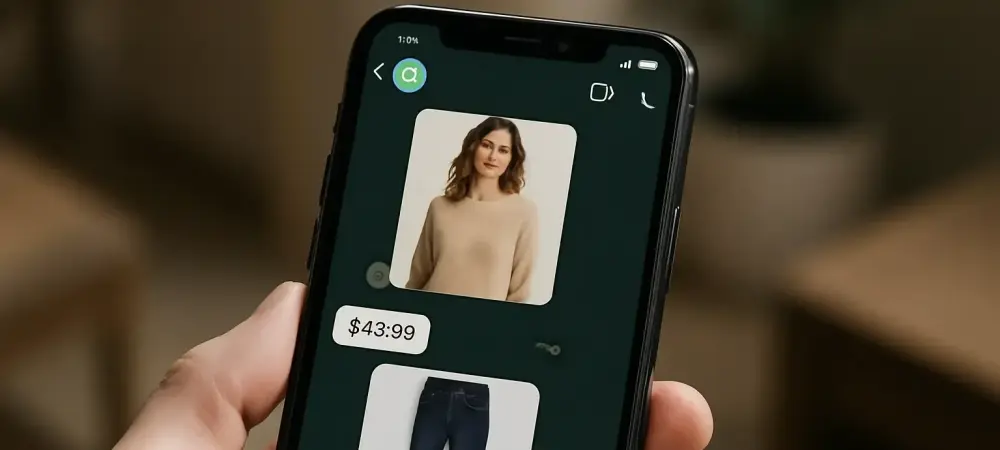
In a bustling world where businesses strive to capture fleeting consumer attention, a significant shift is unfolding in sales dynamics. Imagine a flourishing business opportunity slipping away because a reply didn’t come in time. Fast-paced market demands, coupled with consumer expectations for instant responses, are no longer aspirations but necessities. Studies indicate that nearly 80% of buyers expect immediate engagement when connecting with brands online. These numbers reflect a pivotal shift in how businesses need to operate to remain competitive. How are tools like WhatsApp chatbots reshaping this landscape?
Reinventing Sales Communication
Traditional sales channels face mounting challenges as the world becomes increasingly digital. Previous norms of periodic phone or email follow-ups have given way to a need for real-time interactions. Today’s consumers are tech-savvy, expecting services at their fingertips, which means delayed communication can become a costly mistake. Businesses that fail to adapt to these evolving expectations risk being overshadowed by rivals that leverage new technologies for instant customer engagement.
The Emergence of WhatsApp Chatbots
WhatsApp chatbots emerge as a beacon of efficiency within this complex communication web, equipped with capabilities tailored for modern sales processes. These chatbots become vital sales assistants, handling initial inquiries, qualifying leads, and scheduling meetings effortlessly. Real-world examples abound of companies leveraging these digital assistants to drive significant sales improvements. Their ability to engage potential customers at just the right moment is transforming leads into loyal clients faster than ever before.
Insights from Industry Experts
Industry leaders acknowledge the profound impact chatbots have on today’s commerce. Experts note that businesses employing these tools often witness up to 75% increases in engagement rates, directly correlated with heightened customer satisfaction. Anecdotes from seasoned professionals highlight successful transitions from traditional sales methods to strategies empowered by WhatsApp chatbots. Vendors remark that seamless integration with existing systems combines convenience with personalized customer experiences, driving robust sales outcomes.
Implementing WhatsApp Chatbot Strategies
For businesses ready to embrace this innovation, strategic deployment is key. Successful integration involves obtaining WhatsApp Business API access and employing a reputable chatbot platform. Essential steps include harmonizing the chatbot with Customer Relationship Management (CRM) systems to manage data effectively. Best practices in chatbot design prioritize intuitive conversation flows, preparing the system for escalating issues to human agents when necessary, ensuring an uninterrupted customer experience.
Towards a New Sales Horizon
As companies recognize the profound benefits of employing WhatsApp chatbots, the stage is set for continued evolution in sales strategies. The integration of this technology has already proven to enhance customer engagement and satisfaction, marking a pivotal shift in how businesses connect with customers. Organizations that embraced this innovation reaped the rewards of sustained growth and agile adaptation to customer demands. Looking ahead, businesses maintaining their competitive edge are those that leveraged emerging technologies to establish meaningful, lasting customer relationships.