

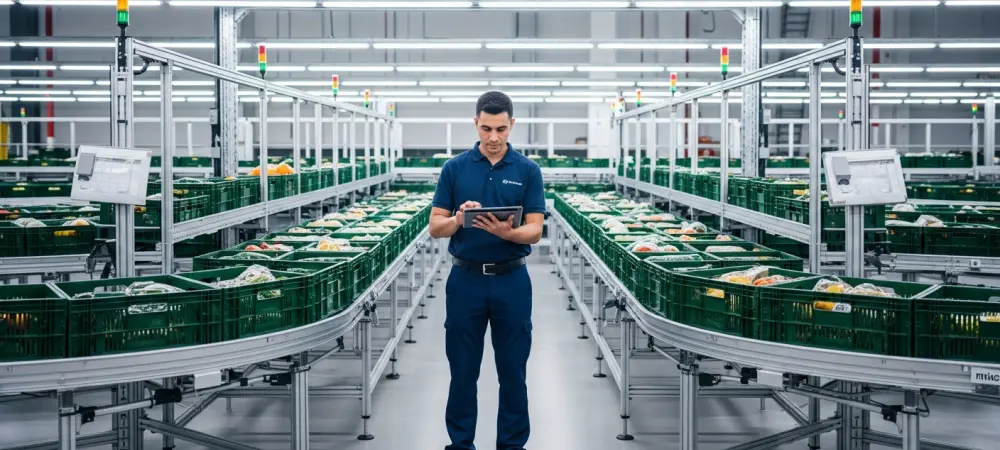
The traditional experience of wandering through supermarket aisles with a crumpled paper list is rapidly being replaced by a digital ecosystem that anticipates needs and automates fulfillment. This fundamental shift marks the transition of the grocery industry away from antiquated search-based shopping toward a landscape defined by sophisticated, AI-assisted customer journeys. While the public imagination often fixates on conversational chatbots and humanoid robots, the most significant improvements in the customer experience are actually occurring in the unseen layers of retail operations. As evidenced by recent strategic initiatives at Albertsons, the success of grocery-based artificial intelligence depends less on the aesthetic elegance of the user interface and more on the structural strength of back-end logistics, inventory management, and automated quality control. By moving beyond the novelty of front-end interactions, the industry is beginning to realize that operational AI is the true engine of modern retail growth, providing the necessary infrastructure to handle the massive complexity of fresh food logistics. This evolution requires a total rethinking of how data flows from the warehouse floor to the consumer’s mobile device, ensuring that every digital promise is backed by a physical reality.
Digital Efficiency: Streamlining the Path From List to Cart
Digital grocery shopping was once a manual and time-consuming process that required customers to engage in endless searching and scrolling through thousands of product thumbnails. The modern transition to AI-assisted shopping allows customers to bypass these hurdles by uploading photos of handwritten lists or requesting complex meal plans based on specific dietary needs or seasonal preferences. Albertsons has introduced a sophisticated AI shopping assistant that can reportedly reduce the time spent building a digital grocery basket from an average of forty-six minutes down to just four minutes. This massive reduction in friction represents a significant victory for consumer convenience, yet it simultaneously places an immense amount of pressure on the retailer to fulfill these rapidly generated orders with total precision. When the barrier to entry for placing an order is lowered so significantly, the volume of transactions naturally increases, requiring a more robust system to handle the sheer scale of modern demand without sacrificing the accuracy that customers have come to expect from premium digital services.
This shift toward accelerated basket building means that the digital interface is no longer just a catalog but a proactive partner in the household management process. However, the speed of the front-end assistant is only valuable if the underlying inventory system can keep pace with the rapid-fire selections being made by the user. If the AI suggests a recipe and adds the ingredients to a cart in seconds, but those items are out of stock or nearing their expiration dates, the perceived convenience quickly evaporates. Therefore, the focus for retail leaders has shifted toward ensuring that the speed of the digital experience is matched by the agility of the physical supply chain. The goal is to create a seamless loop where the AI understands not only what the customer wants but exactly what is available in the local micro-fulfillment center at that specific moment. This level of synchronization is what separates a gimmick from a truly transformative tool in the highly competitive grocery sector, where margins are thin and consumer loyalty is often tied to the reliability of the weekly shop.
Invisible Excellence: Ensuring Quality via Back-end Operations
Industry experts agree that the most vital parts of the grocery experience are often invisible to the customer until a failure occurs in the fulfillment process. This “invisible CX” is established in warehouses and distribution centers long before a customer ever interacts with a delivery driver or a store associate. If the back-end operation cannot support the digital promises made by a high-tech app, the entire customer experience collapses, regardless of how advanced or helpful the front-end generative technology appears to be. To address this potential point of failure, Albertsons has integrated Google Cloud’s Gemini AI to power an “Intelligent Quality Control” tool that inspects produce before it ever reaches the store shelves. This technology uses advanced computer vision to scan photos of incoming shipments for blemishes, bruises, or early signs of decay, allowing the company to catch low-quality fruit and vegetables early in the process. This foundational element of trust is critical because a customer who receives a container of moldy strawberries will care very little about the sophistication of the chatbot that took their order.
By automating the quality control process, the retailer can ensure a level of consistency that was previously impossible to maintain through manual inspections alone. The AI models can be trained on millions of images to identify the subtle differences between a ripe piece of fruit and one that will spoil before it reaches the customer’s kitchen. This proactive approach to quality management does more than just prevent refunds; it builds long-term brand equity by positioning the retailer as a reliable curator of fresh goods. In the context of the digital grocery market, where customers cannot physically pick up and inspect their own produce, the retailer’s AI becomes the customer’s eyes and hands in the warehouse. Maintaining this “invisible” standard of excellence is the only way to sustain the growth of online grocery services, as it directly addresses the primary hesitation consumers feel when moving away from traditional in-person shopping.
The Promise Chain: Navigating Modern Retail Fulfillment
To manage the complex demands of the modern digital era, retailers must analyze their operations through a framework known as the “Grocery Promise Chain.” This chain begins with “Promise Creation,” which occurs the moment the digital interface sets a customer’s expectations regarding price, availability, and delivery windows. This initial stage must be immediately followed by an “Operational Truth Check,” which uses real-time data to confirm that the specific items promised are actually in stock and available at the stated price. Without this secondary verification, the digital experience is merely a series of guesses that can lead to frustration and lost revenue. The later stages of the chain involve providing direct decision support to employees and making firm fulfillment commitments that the logistics network can actually honor. If a picker in the warehouse lacks the data to make smart substitutions for missing items, the resulting customer experience becomes inconsistent and unreliable, undermining the original promise made by the app. A robust “Exception Recovery Loop” serves as the final link in this chain, ensuring that if something does go wrong, the customer is notified in time to make an alternative plan. Instead of being surprised by a missing essential item at their doorstep, the customer receives a real-time update with suggested alternatives that match their dietary preferences. This level of communication requires a deep integration between the warehouse management systems and the customer-facing mobile applications. By viewing the entire process as a continuous chain of promises and fulfillments, retailers can identify exactly where the data flow is breaking down. This systemic approach allows for the deployment of targeted AI interventions that strengthen the weakest links, such as improving the accuracy of real-time inventory counts or optimizing the routes for delivery drivers. When the promise chain is intact, the retailer moves from a state of reactive crisis management to a state of proactive service delivery that consistently meets or exceeds consumer expectations.
Infrastructure Synergy: Integrating AI With Legacy Systems
A recurring challenge in the modernization of retail is that grocery AI is primarily an integration problem rather than a problem of choosing the right software model. While advanced large language models are exceptionally good at understanding human intent and natural language, they are only useful in a commercial context if they are deeply connected to legacy systems. These include aging Warehouse Management Systems and fragmented real-time inventory trackers that were often not designed to talk to modern cloud-based AI platforms. If an AI assistant makes dinner recommendations based on a system of record that does not match the physical reality of the local store, a logistical disaster is almost inevitable. Therefore, the real work of digital transformation at companies like Albertsons involves building the “connective tissue” that allows high-level intelligence to pull accurate data from the gritty, physical world of the distribution center.
The mismatch between digital records and physical inventory is often referred to as “phantom inventory,” and it remains one of the greatest hurdles to achieving a perfect customer experience. When the AI model suggests a product that the database says is in stock, but the shelf is actually empty, the resulting friction ruins the user’s trust in the technology. To solve this, operational AI must be used to reconcile these discrepancies by analyzing historical sales data, delivery schedules, and even sensor data from the store floor. This integration allows the retailer to create a “digital twin” of their inventory that is far more accurate than traditional methods. The focus of technical teams has shifted toward creating these unified data layers that can support various AI applications simultaneously. By prioritizing the plumbing of the data infrastructure, retailers ensure that their investments in artificial intelligence lead to tangible improvements in fulfillment accuracy and operational efficiency rather than just becoming another layer of technical debt.
Workforce Empowerment: Supporting Frontline Staff With Technology
Employee experience and customer experience are inextricably linked in the grocery sector, as warehouse and store workers are the individuals responsible for executing the digital promises made by the brand. By providing these essential workers with AI-assisted tools for quality checks and substitution logic, retailers can move away from high-stress, subjective decision-making processes. These tools help to standardize workflows across thousands of different locations, ensuring that the products delivered to customers meet a consistent level of quality regardless of which employee handled the order. When a warehouse picker is guided by an AI that suggests the best possible substitution based on the customer’s previous purchase history, the burden of choice is lifted from the staff, leading to higher job satisfaction and fewer errors. This technological support allows the frontline workforce to focus on the physical aspects of their roles while the AI handles the complex data processing.
Furthermore, the introduction of operational AI helps to mitigate the impact of labor shortages and high turnover rates that have historically plagued the retail industry. By embedding expertise into the tools themselves, a new hire can become productive much faster, as the system provides real-time guidance on everything from the ripeness of an avocado to the most efficient path through the warehouse. This standardization ensures that the quality of service remains high even during peak shopping periods or times of staffing volatility. Retailers have found that when workers feel supported by technology rather than replaced by it, they are more likely to engage with the digital transformation process. The result is a more resilient operation where human intuition is augmented by machine precision, creating a symbiotic relationship that ultimately benefits the end consumer through faster service and higher-quality goods.
Strategic Growth: Future Directions for Operational Integration
To conclude, the industry prioritized the integration of artificial intelligence into the foundational aspects of the grocery supply chain to bridge the gap between digital promises and physical reality. Decision makers implemented strategies that focused on connecting AI assistants directly to the system of record rather than treating them as isolated marketing tools. They identified that the highest value for AI intervention lay in areas where inventory data was traditionally the least reliable, such as the fresh produce sections, and they applied targeted computer vision interventions to ensure consistency. These organizations moved away from flashy, superficial features and instead developed robust promise engines that harmonized the digital experience with the physical logistics of the warehouse. By synchronizing the information seen by the consumer with the live data used by warehouse associates, retailers established a new standard for reliability that reshaped the consumer’s relationship with the grocery store. The successful implementation of these systems provided several actionable pathways for the broader retail industry to follow as it moved toward a more automated future. Executives recognized that the most effective solution was to treat artificial intelligence as a deep operational layer that empowered the frontline workforce and standardized quality control. They focused on building continuous feedback loops where the “Exception Recovery Loop” became a standard protocol for handling inevitable supply chain disruptions. By automating the identification of substitutions and quality issues, these organizations reduced the cognitive load on workers and increased the overall speed of fulfillment. The transition emphasized that the future of retail growth depended on the integrity of the data underlying every customer interaction. Ultimately, the industry learned that the true power of AI was its ability to make the complex, physical reality of grocery retail as predictable and reliable as a digital software platform.