

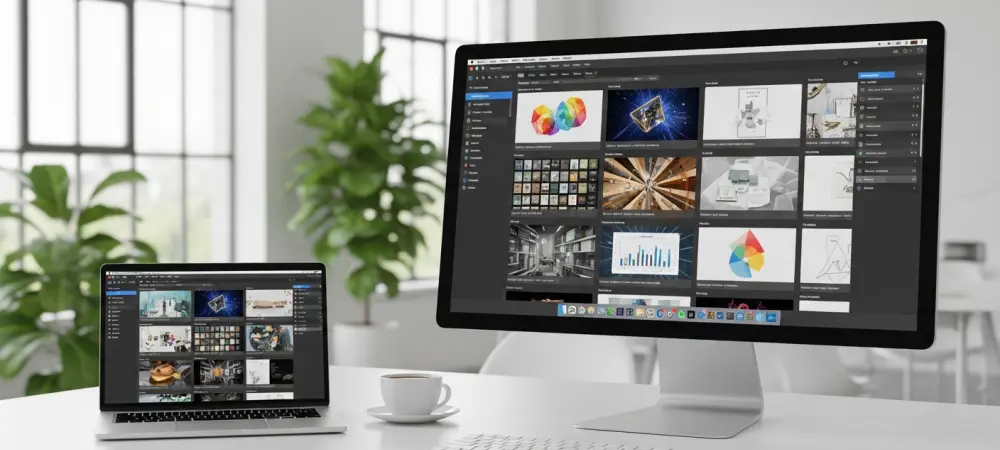
Every hour, digital platforms consume a staggering volume of visual data, forcing marketing departments into a relentless cycle of content creation that often exhausts traditional creative resources. The phenomenon, frequently referred to as the content monster, dictates that brands must remain visible across an ever-expanding array of social feeds, web portals, and advertisement networks to capture fleeting consumer attention. This demand has pushed aesthetic and brand-aligned imagery from a luxury to a baseline requirement, yet the speed of manual design cannot keep pace with the real-time nature of the modern internet. Consequently, artificial intelligence has transitioned from a theoretical novelty into a core operational pillar for high-performing teams that need to scale their output without overworking their staff. By democratizing high-end design capabilities, these tools allow organizations to bridge the significant gap between limited budgets and the massive volume of original visuals needed to maintain a competitive edge in 2026. This shift is not merely about speed; it is about providing creative professionals with the capacity to focus on high-level strategy while technology handles the iterative heavy lifting.
Scaling Visual Assets Through Intelligent Automation
Enhancing Digital Presence with Bespoke Website Imagery
The traditional reliance on stock photography has long served as a double-edged sword for marketers, offering convenience at the expense of authenticity and brand distinctiveness. Generic images often fail to resonate with modern audiences who have become adept at identifying and ignoring unoriginal visual content that lacks a specific narrative connection to the accompanying text. By integrating AI-driven image generation into the editorial workflow, content creators are now capable of producing bespoke hero images and specialized graphics that perfectly mirror the unique tone of their articles or landing pages. This level of customization ensures that every digital asset feels intentional, reinforcing the brand’s authority and making the content significantly harder for competitors to replicate. Instead of spending hours scouring through tired image libraries for a ‘close enough’ match, marketing professionals can now use precise descriptive prompts to generate original, high-fidelity visuals that are tailored to the specific context of their message, thereby increasing the overall quality and trustworthiness of their digital home.
Driving Engagement Through High-Velocity Social Content
Beyond static web content, the sphere of social media marketing demands a velocity of production that was previously unattainable for most small to medium-sized creative teams. Social platforms operate on algorithms that reward frequent and visually engaging updates, creating a constant pressure to produce fresh assets that capture the audience’s attention in a crowded feed. Artificial intelligence facilitates this rapid pace by allowing teams to experiment with various visual styles and layouts almost instantaneously, effectively removing the design bottlenecks that once stalled campaign momentum. Whether a brand needs to announce a product launch, share a customer testimonial, or respond to a trending topic, these tools provide the agility to iterate quickly without compromising aesthetic quality. This capability allows brands to maintain a consistent ‘scroll-stopping’ presence, enabling them to pivot their creative direction based on real-time engagement data rather than waiting weeks for a manual redesign of their primary campaign assets, which ensures they remain relevant to their followers.
Streamlining Brand Identity and Integrated Workflows
Accelerating Professional Design and Brand Prototyping
High-stakes marketing initiatives such as global webinars and product launches typically require an extensive suite of promotional materials, ranging from digital flyers to complex advertising banners. Traditionally, the ‘blank canvas’ stage of these projects is the most time-consuming, as designers struggle to find a starting point that aligns with both campaign goals and established brand aesthetics. AI-powered generators have become transformative in these scenarios by serving as a catalyst for creative exploration, producing multiple high-quality concepts based on specific parameters within seconds. These systems are now sophisticated enough to adhere to strict brand guidelines, including color palettes and stylistic nuances, ensuring that the generated output remains professional and cohesive across all channels. By automating the foundational stages of layout and conceptualization, marketing departments can redirect their focus toward the strategic distribution and performance analysis of their materials, ultimately delivering more impactful and timely campaigns.
Optimizing Creative Environments with Rapid Visualization
The evolution of the creative workflow is increasingly characterized by a transition from fragmented software tools toward unified, intelligent design environments that house multiple functions. These integrated platforms address the common problem of productivity loss caused by constant context switching, where creators must jump between different applications to manage copy, imagery, and layout. By centralizing these tasks, AI-powered ecosystems allow for the simultaneous generation of written content and matching visual assets, ensuring a high degree of narrative and aesthetic synchronization. This synergy is vital for maintaining a professional and trustworthy image, as it prevents the disjointed feeling that often occurs when different elements of a campaign are developed in silos. In this new paradigm, artificial intelligence acts as an efficiency multiplier that handles repetitive technical tasks like resizing and basic formatting, which empowers human creators to dedicate their valuable time to high-level storytelling and the development of long-term brand strategies.
Strategic Evolution of Automated Marketing Workflows
The widespread adoption of automated visual production marked a definitive turning point for the marketing industry, establishing a new standard for operational efficiency and creative output. As these technologies matured, they provided the necessary infrastructure for brands to navigate a complex digital landscape without sacrificing the human element of storytelling. Moving forward, organizations should prioritize the integration of these tools into their existing project management systems to ensure a seamless flow between ideation and execution. It became clear that success in this environment required a strategic shift in hiring, focusing on professionals who could effectively curate and direct AI outputs rather than just performing manual design tasks. Companies that embraced this transformation found themselves better equipped to handle the fluctuations of market demand while maintaining a high level of brand consistency across every consumer touchpoint. Future strategies will likely involve the deeper personalization of visual content, using real-time data to adjust imagery for specific segments.