

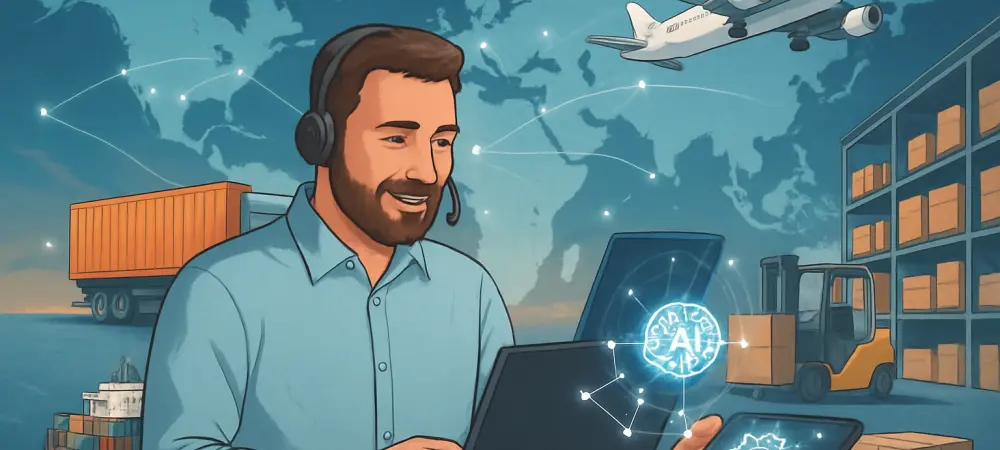
Picture a world where a package ordered online at midnight arrives at your doorstep by noon, with real-time updates alerting you to every step of its journey. This isn’t a distant dream but a reality driven by Artificial Intelligence (AI) in global logistics. From predicting supply chain disruptions to optimizing delivery routes, AI is transforming how goods move across the planet, ensuring speed, reliability, and transparency. The impact is profound, touching every consumer who expects instant gratification in a hyper-connected economy.
The significance of this technological shift cannot be overstated. With e-commerce booming and customer expectations soaring, logistics companies face immense pressure to deliver faster and smarter. AI has emerged as the linchpin, solving complex challenges like port delays and last-mile inefficiencies while directly enhancing customer satisfaction. This story dives into how AI is reshaping the logistics landscape, why it matters to businesses and consumers alike, and what practical steps can be taken to navigate this revolution.
How AI Is Redefining the Movement of Goods
Behind every on-time delivery lies an unseen engine of algorithms and data analytics. AI is streamlining global logistics by anticipating demand, optimizing routes, and automating processes that once relied on human guesswork. This technology ensures that packages move with precision, slashing delays and reducing costs for companies worldwide. The result is a seamless experience for customers who now take rapid shipping and accurate tracking for granted.
What sets this transformation apart is its scale and speed. Major players in the industry are leveraging machine learning to predict inventory needs months in advance, while real-time systems adjust delivery paths on the fly to avoid traffic or weather disruptions. This isn’t just about efficiency—it’s about meeting the modern consumer’s demand for immediacy and reliability in an era where a late delivery can mean lost trust.
The stakes are high for businesses that fail to adapt. As competition intensifies, those harnessing AI gain a clear edge, delivering not just goods but also satisfaction. For consumers, this means fewer frustrations and more confidence in every purchase, proving that technology’s role extends far beyond the warehouse or shipping dock.
The Logistics Challenge: Why AI Became Essential for Satisfaction
Global supply chains are more intricate than ever, spanning continents and grappling with unpredictable hurdles like natural disasters or labor strikes. Traditional logistics methods often buckle under these pressures, leading to missed deadlines and dissatisfied customers. The demand for same-day delivery and flawless tracking has only heightened the strain on outdated systems unable to keep pace.
AI emerged as a necessity to tackle these persistent issues, turning raw data into actionable insights. By analyzing patterns from weather forecasts to market trends, AI predicts potential bottlenecks and offers solutions before problems escalate. This shift from reactive to proactive management is critical in a market where customer experience defines success.
Recent disruptions, such as port congestion reported in major hubs starting in 2025, underscore the urgency of this technology. Companies without AI risk falling behind, unable to meet the skyrocketing expectations of a digital-first world. The focus on customer satisfaction has made AI not just a tool but a lifeline for logistics providers striving to stay relevant.
AI in Action: Key Innovations Driving Logistics Forward
AI’s influence on logistics is tangible, with specific innovations delivering measurable results across the supply chain. Predictive planning, for instance, allows giants like Walmart to cut inventory costs by 20% through machine learning models that forecast demand with pinpoint accuracy. This ensures shelves stay stocked, directly benefiting customers with consistent availability. Freight optimization is another game-changer, exemplified by UPS’s ORION system, which saves millions of miles each year by calculating the most efficient delivery routes in real time. Meanwhile, DHL Express uses AI and IoT tracking to reduce customer inquiries by 40% through proactive delay notifications. These advancements translate to faster, more reliable deliveries that build trust with every shipment.
Port automation and last-mile precision further illustrate AI’s reach. The Port of Rotterdam has slashed vessel wait times by 20% with AI-driven scheduling, speeding up cargo flow, while Amazon’s AI-guided robots achieve over 99% picking accuracy, shrinking delivery windows. Each innovation underscores how operational gains lead to happier customers, proving AI’s value at every touchpoint.
Voices from the Field: Real-World Impact of AI
Industry leaders paint a vivid picture of AI’s transformative power in logistics. A Maersk executive shared, “Predictive maintenance saves hundreds of millions by preventing vessel downtime—customers notice the improved reliability instantly.” Such insights reveal how technology bridges operational challenges with tangible benefits for end users.
Case studies add depth to these claims, showcasing AI’s problem-solving prowess. Samsung SDS, for example, implemented a 24/7 risk alert system that rerouted shipments during major port disruptions starting in 2025, ensuring continuity for clients. These real-world applications highlight AI’s ability to adapt under pressure, reinforcing customer confidence.
Yet, challenges persist, as many in the sector acknowledge. High implementation costs and resistance to change within organizations often slow progress. Despite these hurdles, the consensus remains clear: AI is indispensable for maintaining competitiveness and meeting the evolving demands of a global customer base, offering a glimpse into the strategic thinking driving this shift.
Navigating the AI Logistics Shift: Practical Steps for All
For businesses and consumers alike, engaging with AI’s role in logistics offers a competitive advantage. Large corporations can start by integrating data into centralized cloud platforms, as DHL did with Microsoft Azure, to power AI analytics. Partnering with tech providers like IBM Watson and investing in employee training also smooths the transition, ensuring staff adapt to new tools.
Small enterprises, often constrained by budgets, can still benefit by adopting accessible AI solutions like route optimization software, mirroring UPS’s success on a smaller scale. These tools cut delivery costs and improve timeliness, leveling the playing field. The key lies in starting small but thinking strategically to scale impact over time.
Consumers, too, have a role to play by using AI-powered tracking apps from carriers like FedEx to stay informed about shipments. Adjusting expectations with real-time updates fosters patience and trust in the process. Together, these practical steps—rooted in proven examples—pave the way for enhanced reliability and satisfaction across the logistics ecosystem.
Reflecting on a Transformed Landscape
Looking back, the journey of AI in global logistics stands as a testament to technology’s power to reshape industries. From predictive analytics to automated last-mile solutions, each advancement has redefined what customers expect and what businesses deliver. The stories of companies like Walmart and Amazon, alongside insights from industry leaders, have shown that embracing AI is no longer optional but essential.
As the logistics sector continues to evolve, the focus shifts toward deeper integration and accessibility. Businesses are encouraged to invest in scalable AI tools and foster data-driven cultures to stay ahead. For consumers, leveraging tracking technologies has become a way to engage actively with the process. Moving forward, the challenge is to balance innovation with sustainability, ensuring that the pursuit of speed and efficiency also honors broader environmental goals.