

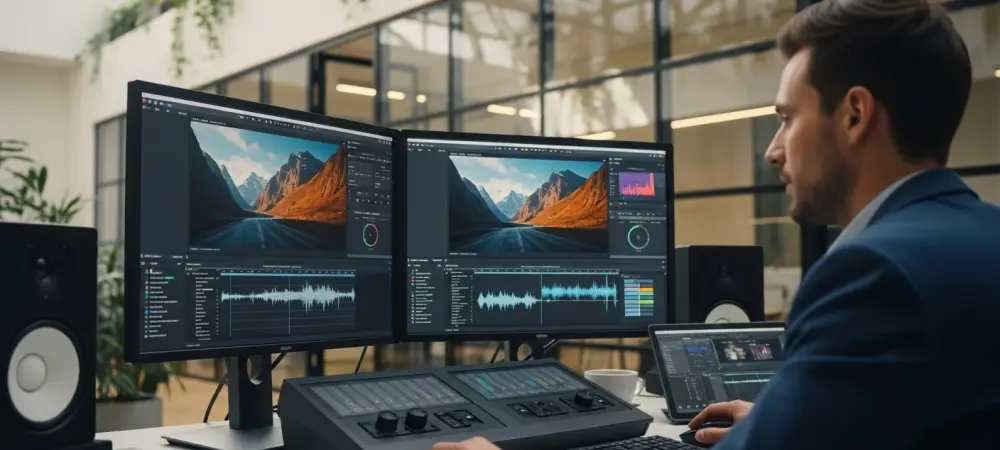
Modern marketing departments are currently navigating a complex environment where the pressure to deliver cinematic quality video at lightning speed has reached an all-time high. This tension often forces a difficult choice between maintaining artistic integrity and meeting the unrelenting demands of social media algorithms that prioritize frequency over depth. While early adopters of automation often fell into the trap of producing repetitive and uninspired content, the current landscape of 2026 shows a shift toward a more sophisticated synthesis of technology and talent. Industry data indicates that brands utilizing artificial intelligence to handle logistical burdens are seeing a marked increase in engagement, but only when those efficiencies are paired with rigorous human oversight. The challenge lies in ensuring that these tools serve as an extension of the creative mind rather than a replacement for the nuanced storytelling that establishes deep emotional connections with a diverse global audience.
Overcoming the Efficiency Paradox
Reinvesting Automation Savings into Storytelling
The promise of accelerated production cycles has introduced a significant risk where saved time is inadvertently wasted on churning out a higher volume of mediocre content. Marketing leaders frequently face the temptation to saturate every available digital channel with automated clips, yet this strategy often results in a dilution of the brand identity. Success in the current market is rarely determined by the sheer number of videos a team produces, but rather by the narrative weight and emotional resonance of each specific piece. Instead of viewing efficiency as a license to create more noise, the most effective organizations treat every minute reclaimed through automation as a capital investment in their creative excellence. This shift in perspective requires a disciplined resistance to the urge for quantity, moving instead toward a model where technology facilitates deeper exploration of complex themes that truly speak to the target demographic’s specific values and needs.
Cultivating Brand Authority through Narrative Depth
When production teams successfully reallocate the hours once spent on repetitive technical tasks, they gain the freedom to focus on the nuanced details that transform a standard video into a memorable experience. This newfound bandwidth allows creators to dedicate more energy to perfecting shot composition, refining the emotional rhythm of a performance, and ensuring that the final narrative pacing effectively captures the viewer’s attention. By moving away from the frantic pace of the technical grind, agencies can leverage generative tools to build genuine authority in their respective niches rather than merely increasing their digital footprint. The goal is to move beyond the superficial benefits of speed and embrace a workflow where the machine handles the labor while the human artist crafts the soul of the message. Such a transition ensures that every campaign benefits from a level of polish and intentionality that was previously reserved for only the highest-budget cinematic productions.
Defining the Roles of Machine and Human
Delegating Technical Execution to Intelligent Systems
Maintaining high creative standards requires a clear and documented boundary between the tasks delegated to machine learning and those reserved for human intuition. Modern software excels at the mechanical heavy lifting of post-production, such as automated color correction, complex audio mixing, and generating initial edit sequences based on pre-defined brand parameters. These tools can also produce a vast array of visual assets and variations for human artists to evaluate and refine, significantly shortening the development phase of a project. However, certain sovereign domains remain exclusively within the realm of human capability, including the formulation of strategic intent and the preservation of a distinct brand voice. No algorithm can truly replicate the ability to evoke genuine empathy or understand the cultural subtext necessary to navigate sensitive social topics. Consequently, the most successful creative teams are those that utilize technology to execute the vision while relying on experts to define the heart of the story.
Preserving Human Intuition in Strategic Direction
Adopting a human-first approach ensures that the latest advancements in video technology serve the artistic vision rather than dictating the direction of a campaign. It is essential for the creative team to establish the core emotional arc and fundamental directorial choices before introducing automated tools to accelerate the more repetitive aspects of the workflow. This strategic hierarchy allows the final product to retain its unique character while still benefiting from the speed and precision that modern software provides during the technical execution phase. When the human director maintains control over the overarching narrative, the technology acts as a force multiplier that enhances the quality of the visual effects and the efficiency of the assembly process. This balance prevents the work from feeling sterile or derivative, ensuring that the brand’s message remains grounded in authentic human experience. By prioritizing strategic intent over technical convenience, companies can produce content that stands out in a crowded marketplace.
Establishing Rigorous Governance Standards
Designing Quality Assurance Protocols for Video Teams
Without the implementation of documented decision protocols, the organizational pressure for rapid delivery will inevitably lead to a compromise in the integrity of the creative work. Marketing teams must proactively establish specific safety zones that clearly define which stages of the production process are eligible for automation and which require manual intervention. Establishing human tollgates at critical intervals ensures that experts must review and approve every output generated by an algorithm before it moves to the next phase of development. These non-negotiable quality thresholds are vital for upholding a brand’s established standards, regardless of how much the underlying production process has been streamlined. By creating a structured environment for innovation, leaders can mitigate the risks of technical errors or stylistic inconsistencies that often arise when software is left entirely unchecked. This governance framework provides a necessary layer of protection for the brand’s reputation and long-term creative legacy.
Ensuring Artistic Alignment through Human Vetting
Effective integration of new tools also requires a collaborative mindset where directors and production specialists treat preliminary drafts as raw materials rather than finished products. Whether a tool generates a rough visual effect, a suggested script outline, or a basic edit, the output must undergo a rigorous process of human refinement to align with the specific goals of the campaign. Teams that view technology as a collaborator rather than a replacement are better equipped to identify and fix the small aesthetic flaws that machines frequently overlook. By maintaining a high bar for creative output through constant human scrutiny, agencies can ensure that their video marketing remains sharp, relevant, and impactful. This commitment to refinement distinguishes high-tier creative work from the vast sea of automated content currently populating the internet.
Maintaining Trust Through Transparency
Building Audience Loyalty through Honest Communication
As modern audiences become increasingly aware of the role generative technology plays in media production, transparency has evolved into a vital asset for maintaining brand trust. Viewers generally appreciate the use of advanced tools when they are utilized to enhance the visual spectacle or improve the overall production value of a cinematic project. However, there is a strong and immediate rejection of content that feels like a deceptive substitute for genuine human connection or emotional honesty. By being open about the creative process and ensuring that a human presence remains visible in the storytelling, brands can foster long-term loyalty and avoid the backlash associated with perceived artificiality. The focus should always remain on how the technology supports the message, rather than letting the technology become the message itself. Maintaining this balance is key to surviving an era where consumers are more skeptical than ever about the origins and intentions behind the digital media they consume.
Moving Faster without Moving Shallower: Strategic Implementation
The successful integration of automated video tools ultimately depended on a shift in leadership philosophy rather than just a mastery of technical skills. Forward-thinking organizations established dedicated research committees to evaluate emerging software against strict ethical and aesthetic benchmarks before full implementation. These teams prioritized the development of internal training programs that taught artists how to prompt and guide technology without surrendering their creative agency. It was found that those who treated efficiency as a way to move faster without moving shallower achieved the highest rates of viewer retention and brand recall. Moving forward, the most effective strategy involved the creation of a hybrid workflow that rewarded creators for narrative innovation while utilizing machines to eliminate the friction of technical execution. By institutionalizing these practices, the industry ensured that the human touch remained the defining feature of video marketing, proving that the most powerful stories still required a human heart to beat.