

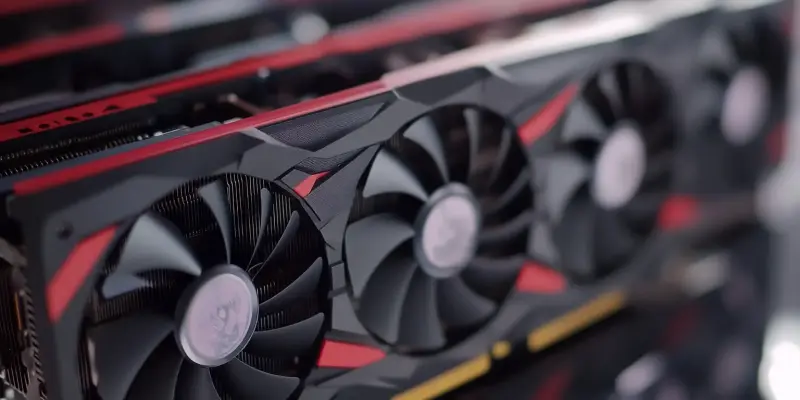
In a groundbreaking move that blends technology with an unexpected sensory feature, Yeston has unveiled its new Radeon RX 9070 XT graphics cards, named the Sakura Atlantis and Sakura models. What sets these graphics cards apart is not just their state-of-the-art anime-themed designs but also their integrated scent-dispensing modules, capable of emitting unique fragrances. This innovative approach is causing quite a stir in both the tech and gaming communities, as it adds an olfactory dimension to the visual and performance capabilities of the hardware.
Unique Scent-Dispensing Feature
The integrated fragrance module in each of the new RX 9070 XT cards is undoubtedly the most distinctive feature. The Sakura Atlantis card dispenses an ocean scent, while the Sakura card releases a more floral aroma, aiming to enhance the user’s gaming or computing environment. While this unique functionality sounds intriguing, a review conducted by the YouTube tech channel Gamers Nexus revealed that these scents have a minimal impact and might not be entirely pleasant. The fragrances were compared to those found in mall kiosks or car air fresheners, raising questions about their true value and user appeal.
Additionally, accessing the fragrance modules requires the inconvenient step of disassembling the cards. This raises practical concerns regarding the ease of use and maintenance of these scented graphics cards. As of now, there is no official word from Yeston on whether fragrance refills will be available, leaving users uncertain about the long-term viability and sustained novelty of this feature.
Performance and Market Response
Beyond the intriguing scent feature, the RX 9070 XT cards from Yeston promise notable performance enhancements. The cards boast a 5% higher game clock and a 3% higher boost clock compared to the reference RX 9700 XT model, ensuring improved gameplay and smoother computing experiences. These performance upgrades are complemented by enhanced power and connectivity options, making Yeston’s new offerings competitive in the high-performance graphics card market.
Retailing at prices between $869 and $899, the graphics cards have quickly piqued interest, leading to an initial sellout. Yeston has assured customers that they are working to stabilize inventory by April, aiming to meet the robust demand for these unique products. This rapid sellout not only reflects the market’s initial enthusiasm but also underscores the importance of availability in sustaining consumer interest.
The introduction of scent-dispensing technology in graphics cards is part of a broader trend in the hardware industry, where manufacturers are exploring how to integrate multi-sensory experiences into their products. Asus, for instance, has recently launched fragranced monitors and a scented wireless mouse, indicating that Yeston is not alone in this innovative endeavor.
Looking Ahead
In a groundbreaking fusion of technology and an unexpected sensory addition, Yeston recently introduced the new Radeon RX 9070 XT graphics cards, named the Sakura Atlantis and Sakura models. These graphics cards stand out not only because of their advanced anime-themed designs but also due to their integrated scent-dispensing modules, which can release unique fragrances.
This unique feature has created quite a buzz in both the tech and gaming worlds, adding an olfactory layer to the visual and performance capabilities of the hardware. The scent-emitting characteristic elevates the user’s immersive gaming experience, making it multi-sensory. By combining cutting-edge graphics performance with an interactive scent module, Yeston has redefined what users can expect from gaming hardware. The integration of fragrance technology into graphics cards is a pioneering step, reflecting a trend towards more immersive and engaging user experiences. This innovative move could potentially open new avenues in tech and gaming, merging sensory experiences for unparalleled immersion.