

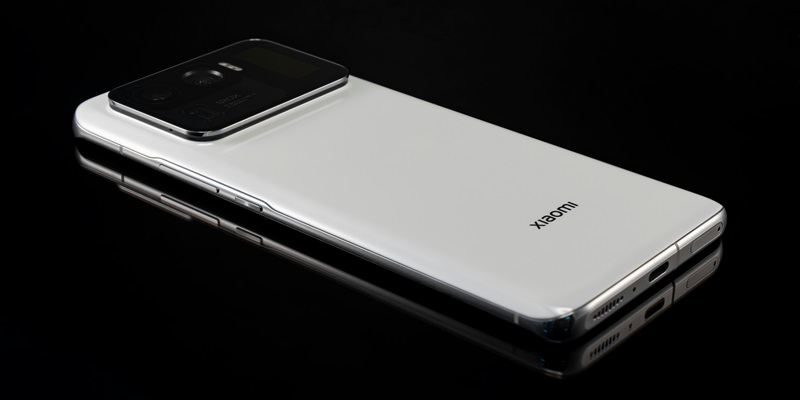
The Chinese smartphone market, which has faced significant challenges in recent months due to the global pandemic and US-China trade tensions, is now showing signs of a potential turnaround. Tech giant Xiaomi has recently experienced a surge in orders for its latest high-end offering, signaling a renewed interest in the smartphone industry in China.
The significance of increased demand for Xiaomi’s high-end smartphone is noteworthy as it indicates a potential recovery for the overall smartphone industry in China. Despite the challenging circumstances faced by the market, this surge in orders highlights the industry’s resilience and its ability to rebound.
Xiaomi Leading the Way
With its latest high-end offering, Xiaomi is playing a pivotal role in leading the way for other smartphone manufacturers to follow suit. As one of China’s top smartphone brands, Xiaomi’s success can have a positive impact on the market as a whole, encouraging other companies to innovate and meet the rising demand.
Government Initiatives and Consumer Preferences
The positive trend in the Chinese smartphone market can be attributed, in part, to the initiatives taken by the Chinese government to stimulate the economy and encourage domestic consumption. These efforts have created a favorable environment for consumers to invest in advanced technology, including smartphones. Despite economic challenges brought about by the pandemic, consumers are still willing to prioritize devices that offer technological advancement and connectivity in their daily lives.
Shift in Consumer Priorities
The surge in orders for high-end smartphones also reflects a significant shift in consumer priorities. Technology and connectivity have become increasingly essential in society, with consumers understanding the value and convenience they bring. As people increasingly rely on smartphones for communication, work, and entertainment, investing in high-end devices has become a way to keep up with modern life.
Benefits for the Tech Industry Ecosystem
The recovery of China’s smartphone market not only benefits manufacturers like Xiaomi but also the entire tech industry ecosystem. As demand increases, suppliers, distributors, and service providers can expect a boost in their business activities. The ripple effect of this recovery extends beyond the smartphone sector, contributing to the overall growth and stability of the technology industry in China.
Promising Future Outlook
The positive trajectory of the Chinese smartphone market is reinforced by continued support from the Chinese government and ongoing consumer interest in advanced technology. As the government implements policies to support the digital economy and strengthen domestic consumption, the industry is poised for further growth. The increasing connectivity needs of consumers, coupled with their willingness to embrace advanced technology, provide a promising future for the revival of the Chinese smartphone market.
The surge in high-end orders that Xiaomi has received is a strong indicator of the recovery and growth potential of the Chinese smartphone market. Despite the challenges posed by the global pandemic and trade tensions, the industry is returning to a path of stability and progress. Xiaomi’s role in leading the way for other manufacturers, the government’s initiatives to stimulate the economy, and the evolving consumer preferences for technology and connectivity all contribute to this positive outlook. With the continued support and innovation in the industry, the revival of the Chinese smartphone market appears promising and sets the stage for a vibrant and competitive landscape in the upcoming years.