

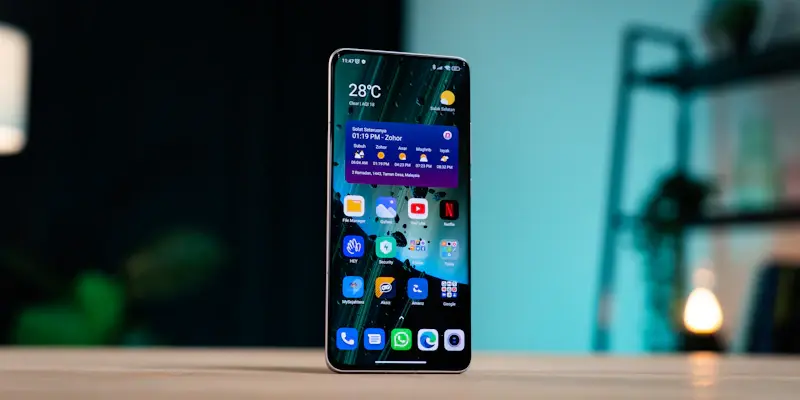
Xiaomi has officially launched the Redmi A5, an entry-level smartphone designed to provide high-end features at an affordable price point. Priced at just $79, the Redmi A5 offers a comprehensive suite of specifications usually found in more expensive devices. It comes equipped with a 6.88-inch IPS LCD display boasting a 120 Hz refresh rate, which ensures smooth scrolling and a more responsive touch experience. This new model is powered by the efficient Unisoc T7250 octa-core processor, providing solid performance for everyday tasks. The device also supports up to 4 GB of LPDDR4X RAM and incorporates 128 GB of internal storage, which can be expanded via a microSD card.
Top-Tier Features at an Affordable Price
The Redmi A5 stands out with its impressive camera setup for a budget phone. It features a 32 MP main rear camera designed to capture detailed and vibrant photos, while the front houses an 8 MP camera for clear selfies and video calls. Battery life is another strong suit of this device with a 5,200 mAh battery that supports 15W wired charging, which ensures users can get a full day’s use on a single charge. This makes the Redmi A5 ideal for those needing reliable performance throughout the day without frequent charging.
Design-wise, the Redmi A5 retains the classic pill-shaped dual camera setup found in its predecessors but showcases new aesthetic updates and multiple color choices. Available in midnight black, lake green, sandy gold, and ocean blue, this model ensures there is a style to suit everyone’s preferences. Additionally, the phone comes with Android 15 (Go Edition) pre-installed, offering a streamlined user experience with the latest features and updates.
Enhancements and Innovations
Even though the Redmi A5 is a budget-friendly phone, it introduces several modern features that enhance its user-friendliness. It includes TUV Rheinland certified eye protection, which reduces blue light emission and minimizes eye strain during extended use. Security is enhanced with a conveniently placed side-mounted fingerprint sensor for quick unlocking and secure access to the device. Connectivity is robust as well, thanks to the integration of Bluetooth 5.2, ensuring better and faster device pairing and data transfer.
While many features have been enhanced from its predecessor, the A4, such as increased camera resolution and a larger battery capacity, the Redmi A5 manages to maintain its competitive edge by offering substantial value for its price. Xiaomi’s keen focus on practical enhancements and design modifications ensures users receive a device that is not only functional but also aesthetically pleasing. This approach demonstrates Xiaomi’s commitment to delivering cost-effective smartphones without skimping on essential functionalities.
The Future of Entry-Level Smartphones
Xiaomi has unveiled the Redmi A5, a budget-friendly smartphone that delivers high-end features typically reserved for pricier models. With a price tag of just $79, the Redmi A5 offers an impressive range of specifications. It features a large 6.88-inch IPS LCD display with a 120 Hz refresh rate, promising smooth scrolling and an enhanced touch experience. Under the hood, the device is powered by the Unisoc T7250 octa-core processor, offering reliable performance for daily activities. Additionally, the Redmi A5 supports up to 4 GB of LPDDR4X RAM, ensuring smooth multitasking. Storage won’t be an issue either, as it offers 128 GB of internal storage, which is expandable via a microSD card. This allows users plenty of space for apps, photos, and other media. The phone’s design is sleek and user-friendly, making it accessible to a broad audience. With these features, the Redmi A5 sets a new standard for what consumers can expect from entry-level smartphones, providing excellent value for money while not compromising on quality.