

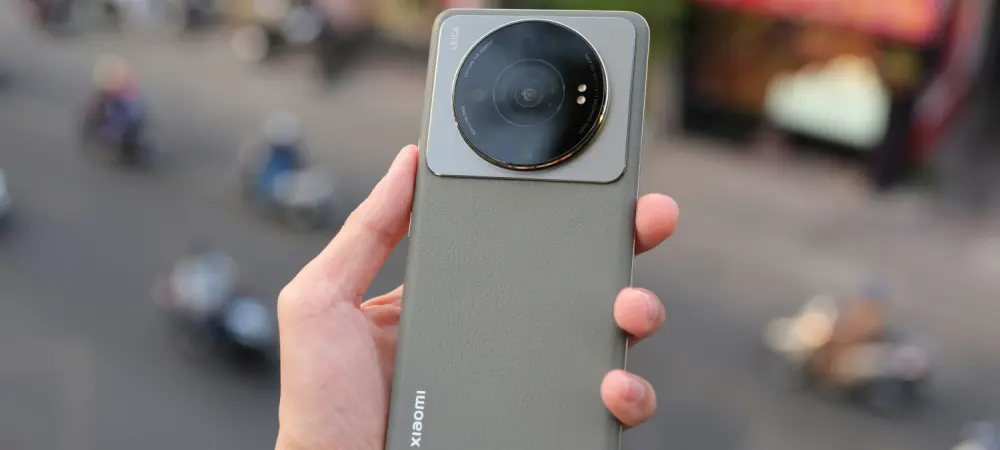
Xiaomi has officially announced its highly anticipated launch event for the latest flagship smartphones and tablets, set to take place on June 26, 2025, in China. This event promises to showcase some of the most innovative features and cutting-edge technology for which the brand has become known, generating considerable excitement in the tech community. Four key products are slated to be revealed: the Redmi K Pad, Redmi K80 Ultra, Mix Flip 2, and Pad 7S Pro. These devices are expected to incorporate advancements in processing power, display technology, battery capacity, and rapid charging capabilities, demonstrating Xiaomi’s dedication to providing robust and feature-rich devices.
Unpacking the New Features of Xiaomi’s Flagships
The Xiaomi Mix Flip 2 is likely to be a standout at the launch, with expectations high for its specification and performance capabilities. With a design that emphasizes both functionality and elegance, this flagship folding phone is anticipated to be equipped with the Snapdragon 8 Elite processor, ensuring a seamless user experience even during intensive tasks. The device’s 6.85-inch display, featuring a commendable 120 Hz refresh rate, promises vibrant and fluid visuals. Further bolstering its appeal, the Mix Flip 2 is rumored to have a substantial 5,100 mAh battery, which supports fast charging—an essential feature for today’s fast-paced users. Additionally, the Redmi K Pad is poised to make a strong impression with its compact design centered on an 8.8-inch screen and supported by a reliable Dimensity 9400+ SoC. The device’s 7,500 mAh battery with fast charging aids in ensuring that it remains a practical companion for everyday tasks.
A Deep Dive into the Tablets on Offer
In the tablet segment, the Xiaomi Pad 7S Pro is steering toward becoming a popular choice, particularly in its home market. Designed with performance in mind, this tablet features an in-house Xring O1 SoC and a 12.5-inch IPS display. With a remarkable 144 Hz refresh rate, the display is tailored to offer stunning clarity and responsiveness, making it suitable for a range of activities from gaming to streaming. What further heightens this device’s appeal is its massive 10,610 mAh battery, complete with 120 W fast charging support, providing users with extended usage without frequent charging interruptions. Meanwhile, the Redmi K80 Ultra caters to photography enthusiasts with its 50 MP primary camera and a 6.83-inch LTPS OLED screen that combines FHD+ resolution with a 144 Hz refresh rate for smooth visual transitions. Equipped with a 7,410 mAh SiC battery enabled with 100 W fast charging, this device exemplifies a blend of power and sophistication. Xiaomi’s events continue to motivate the market, pushing competitors to innovate and meet the high standards set by the tech giant. The emphasis on high performance, large and dynamic displays, and efficient battery technology showcases Xiaomi’s mission to push boundaries and set new benchmarks in the industry.
Future Directions Post-Launch
Xiaomi has officially unveiled plans for its upcoming launch event, generating significant anticipation within the tech industry. Scheduled for June 26, 2025, in China, this event will introduce the newest flagship smartphones and tablets. Known for pioneering innovative features and state-of-the-art technology, Xiaomi is expected to captivate audiences once again. Four key products will take center stage: the Redmi K Pad, Redmi K80 Ultra, Mix Flip 2, and Pad 7S Pro. These devices are anticipated to incorporate noteworthy improvements in various areas, such as processing power, display technology, battery capacity, and fast charging capabilities. This showcase will reflect Xiaomi’s steadfast commitment to delivering high-performance, feature-packed devices that meet the demands of tech enthusiasts and consumers alike. As the excitement builds, many are eager to see how these advancements will set new standards in the industry, solidifying Xiaomi’s position as a leader in cutting-edge electronics.