

Chinese smartphone manufacturer Xiaomi has officially announced the launch date of its highly anticipated Redmi Note 13 series. This new lineup will consist of two models – the Redmi Note 13 Pro and the Redmi Note 13 Pro Plus. With a focus on providing exceptional display and powerful camera capabilities, these smartphones are set to make waves in the market. Let’s delve into the details of what we can expect from the upcoming Redmi Note 13 series.
Enhanced Display Features
Xiaomi is taking the display quality to the next level with the Redmi Note 13 series. Both models will feature a second-generation glossy display that incorporates advanced eye protection features. With a remarkable 1.5K resolution, the smartphones offer an immersive visual experience. To ensure user comfort, Xiaomi has obtained triple TUV Rheinland eye protection certification, verifying the devices’ ability to reduce eye strain.
Launch Date Confirmed
Mark your calendars because Xiaomi has officially declared that the Redmi Note 13 series will be released on September 21 in their home market. This exciting announcement has heightened the anticipation among tech enthusiasts.
A Focus on Eye Protection
Xiaomi understands the importance of protecting users’ eyes during prolonged smartphone usage. The Redmi Note 13 series incorporates the latest flagship luminescent materials, allowing for a peak brightness of 1800 nits. With features like 1920 Hz PWM dimming and high-brightness DC dimming, these smartphones prioritize eye safety without compromising on display quality.
Triple TUV Rheinland Eye Protection Certification
In recognition of their commitment to user well-being, Xiaomi’s Redmi Note 13 series has received triple TUV Rheinland eye protection certification. This certification highlights the careful consideration given to ensuring a comfortable and safe viewing experience for users.
Elegant Design Differences
To differentiate the two models, the Redmi Note 13 Pro Plus will boast a sleek curved screen, while the Redmi Note 13 Pro will feature a classic flat display. Both models are likely to embrace vibrant AMOLED displays paired with convenient in-screen fingerprint sensors, ensuring a smooth and secure user experience.
Power-Packed Processors
The Redmi Note 13 Pro Plus will be powered by the MediaTek Dimensity 7200-Ultra chip, making it a performance beast. On the other hand, the Pro model will feature the capable Snapdragon 7 Gen 1 chipset. These top-of-the-line processors will enable seamless multitasking, smooth gaming, and fast app launches.
Unleashing the Potential of Photography
Photography enthusiasts will be thrilled to know that both models in the Redmi Note 13 series are rumored to house an impressive 200MP main camera. However, the Redmi Note 13 Pro Plus will have an added advantage as it is expected to feature optical image stabilization (OIS). This feature allows for sharper and clearer images, particularly in low-light conditions.
Distinctive Back Panel Designs
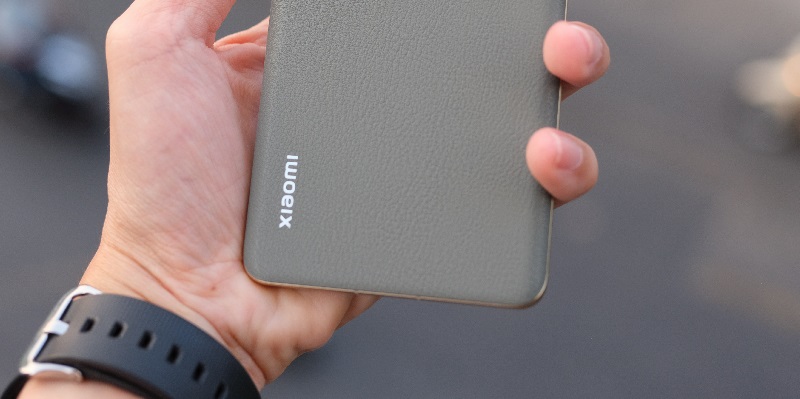
Visual appeal is a key aspect, and Xiaomi has put thought into making each model unique. The Redmi Note 13 Pro Plus will likely present a premium leather back with raised camera rings, adding a touch of elegance to the device. Meanwhile, the Redmi Note 13 Pro may feature a sleek glass back complemented by a raised camera island, exuding sophistication.
With the launch date of the Redmi Note 13 series approaching, Xiaomi has left us eagerly anticipating the unveiling of these smartphones. The enhanced display technology, powerful processors, and high-resolution cameras are sure to captivate users. Whether you lean towards the curved elegance of the Pro Plus or the classic charm of the Pro model, both devices promise to deliver a remarkable smartphone experience. Stay tuned for the launch as Xiaomi continues its tradition of offering cutting-edge technology at an accessible price point.