

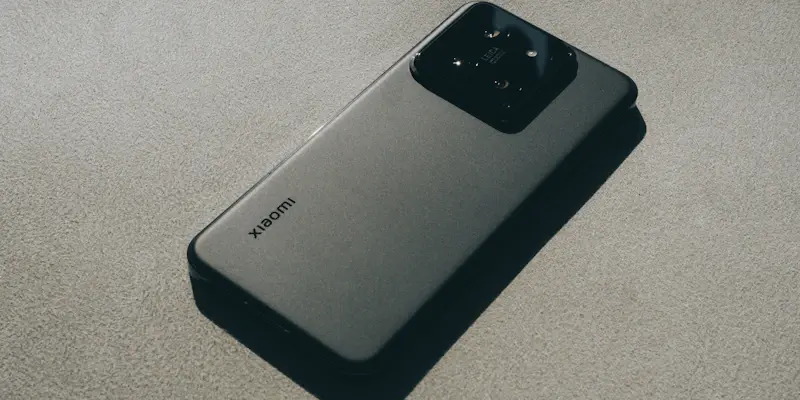
In an exciting move that has tech enthusiasts buzzing, several European mobile network carriers, including Congstar, O2 Online, and Vodafone, have already listed Xiaomi’s latest range of smartphones, the Redmi Note 14 series, on their websites. Despite an official announcement from Xiaomi not yet being made, customers have the option to pre-order these highly anticipated models as part of new contracts. This hints that the new series might be available to European customers sooner than initially anticipated, potentially before the year’s end.
Several keen consumers and industry experts have been following developments closely, analyzing pre-order listings and speculating on the final release dates. Positioned as a mid-range yet feature-packed smartphone lineup, the Redmi Note 14 series aims to cater to a broad customer base in Europe. What makes this early listing particularly interesting is the confidence and enthusiasm exhibited by local carriers, suggesting that Xiaomi’s latest offering holds significant promise in maintaining the brand’s competitive edge in the market. Consumers are eagerly awaiting confirmation of the availability timelines before making purchase decisions.
Anticipation and Early Listings
The early listings by European carriers such as Congstar, O2 Online, and Vodafone indicate strong market demand for Xiaomi’s new smartphone lineup, which includes the Redmi Note 14 5G, Redmi Note 14 Pro 5G, and Redmi Note 14 Pro Plus 5G. These are being touted as significant upgrades over their predecessors. These pre-order opportunities are exciting for many potential buyers who are looking forward to the advanced features and specifications that these new devices promise to offer.
One critical aspect fueling this anticipation is the detailed specifications that have been shared by these carriers within their listings. For tech-savvy users, the hardware upgrades mean substantial improvements in performance and user experience. As more European carriers continue to adopt this early-listing strategy, it becomes evident that the Redmi Note 14 series is positioned to compete fiercely with other mid-range devices currently available in the market. Enthusiasts and potential buyers are meticulously comparing the listed features to earlier models and competing brands, considering the best value for their investments.
Specifications and Features
At the heart of the lineup, the Redmi Note 14 5G includes a 6.67-inch AMOLED display boasting a 1080p resolution, a MediaTek Dimensity 7025 Ultra SoC, a 5,110 mAh battery, and 45 W wired charging. The camera setup is compelling with a 50 MP primary sensor, an 8 MP ultra-wide lens, a 2 MP macro shooter, and a 20 MP front-facing camera. These features position the Note 14 5G as a robust option for users seeking reliable performance and quality photography.
Moving up the range, the Redmi Note 14 Pro 5G is more impressive with a 6.67-inch AMOLED display offering 1220p resolution and an eye-popping 3,000-nit brightness. Powered by a MediaTek Dimensity 7300 Ultra SoC, it includes a 5,500 mAh battery supporting 45 W wired charging, and packs the same camera configuration as its sibling. This ensures enhanced overall visual experience and performance, making it ideal for users who need more power and speed for their daily tasks.
The top-tier Redmi Note 14 Pro Plus 5G, featuring a 6.67-inch AMOLED display with 1220p resolution and 3,000 nits brightness, takes the flagship position within the series. It stands out with a Qualcomm Snapdragon 7s Gen 3 SoC, a sizable 6,200 mAh battery, and faster 90 W wired charging. Notably, its camera setup distinguishes it from the other models, including a 50 MP primary lens, an 8 MP ultra-wide-angle lens, and an impressive 50 MP telephoto lens, maintaining a 20 MP front-facing camera. The Pro Plus model is a versatile device tailored for power users who seek exceptional battery life and superior camera capabilities.
Market Implications and Expectations
European mobile carriers like Congstar, O2 Online, and Vodafone have already listed Xiaomi’s latest Redmi Note 14 series smartphones on their websites, stirring excitement among tech enthusiasts. Despite no official announcement from Xiaomi, customers can pre-order these much-anticipated models as part of new mobile contracts. This indicates that the new series could be available to European customers sooner than initially expected, possibly by the end of the year.
Tech watchers and industry experts have been closely monitoring these developments, scrutinizing pre-order listings and speculating on the final release dates. The Redmi Note 14 series is positioned as a mid-range, feature-rich smartphone lineup aimed at a wide European customer base. The early listing by carriers reflects confidence in Xiaomi’s latest offering, suggesting it could solidify the brand’s competitive position in the market. Enthusiasts are eagerly awaiting confirmation of availability timelines before committing to purchases, making this early activity a compelling development in the tech world.