

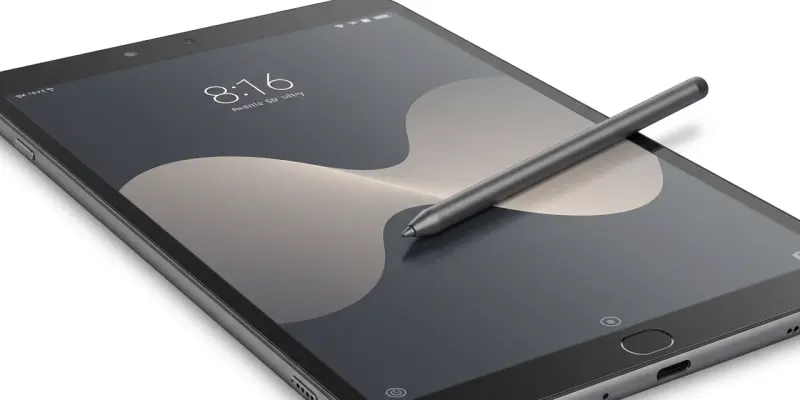
The launch of the Xiaomi Pad 7 Ultra demonstrates a significant leap in tablet technology, offering exceptional power and versatility in a sleek design. Showcasing some of the most advanced features available in the market, this device represents Xiaomi’s continued commitment to pushing boundaries. It features a massive 14-inch OLED display with a 3.2K resolution and a smooth 120Hz refresh rate, offering stunning visuals protected by Corning Gorilla Glass 5. Such a high-resolution screen is complemented by the powerful in-house XRING 01 ten-core processor, which promises to handle tasks ranging from multimedia streaming to complex productivity applications with impressive efficiency. Marketed in China, the Xiaomi Pad 7 Ultra caters to tech enthusiasts seeking high-performance devices without sacrificing portability or ease of use.
Cutting-Edge Display and Power Specifications
Providing an immersive viewing experience, the display of the Xiaomi Pad 7 Ultra stands out with its 3.2K OLED screen. Delivering crisp, vibrant images, the 120Hz refresh rate ensures fluid video playback and reduced motion blur, essential for gaming and dynamic content. The use of Corning Gorilla Glass 5 adds durability, protecting the display from scratches and impacts that often occur with regular use. Powering this remarkable display is the proprietary XRING 01 chipset. The ten-core processor facilitates seamless multitasking, making the tablet a reliable companion for both work and entertainment. The battery life is equally impressive, featuring a 12,000mAh capacity enabling up to 16.9 hours of video playback. This is particularly advantageous for users who rely on their tablets for extended periods. Moreover, the 120W fast-charging capability dramatically reduces downtime by quickly rejuvenating the battery, ensuring that the device is ready when needed.
Multifunctional Design and Connectivity
The Xiaomi Pad 7 Ultra stands out with a stunning display and a robust processor, but its functionality goes far beyond these features. It boasts enhanced connectivity with 5G and Wi-Fi 7, providing swift and dependable internet access for seamless streaming, downloading, and networking. Security is elevated via a side-mounted fingerprint sensor, delivering both protection and ease of use. The device’s multimedia capability is exceptional, featuring a 50-megapixel rear camera and a 32-megapixel front camera, catering to photography enthusiasts and those who require excellent video conferencing. Accessories like a floating magnetic keyboard and a stylus with 8,192 pressure levels add to its versatility, making it ideal for note-taking and creative tasks. With configurations ranging from 12GB RAM and 256GB storage to 16GB RAM and 1TB storage, there’s a model for every user. Priced between CNY 5,699 and CNY 7,399, it appeals to various market segments. Ultimately, Xiaomi sets new standards in the tablet world with the Pad 7 Ultra, demonstrating how innovation advances in mobile technology.