
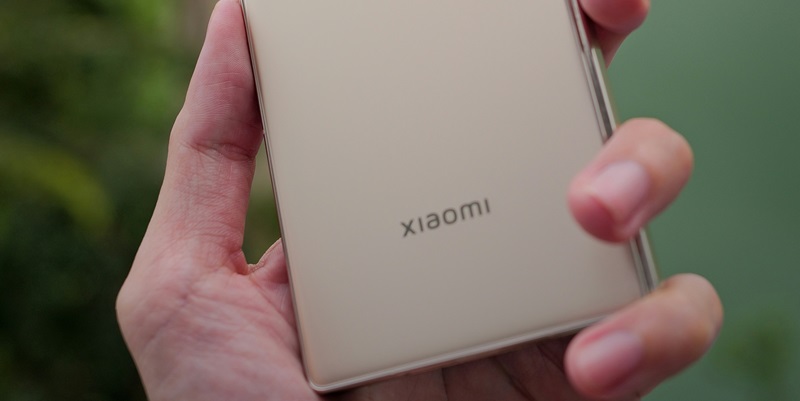
Xiaomi MIX Fold 4 Leak Reveals Snapdragon 8 Gen 3 and Satellite Tech

The Xiaomi MIX Fold 4 is poised to be a standout in the smartphone arena, thanks to leaks from Digital Chat Station. This upcoming flagship foldable device is rumored to pack the Snapdragon 8 Gen 3 processor from Qualcomm, the latest in chipset innovation, which promises to deliver exceptional performance.

Redefining Storage with 16GB RAM and 1TB Internal Storage

The MIX Fold 4 isn’t just about raw power; it’s also about capacity. With an extraordinary 16GB of RAM and an enormous 1TB of internal storage, Xiaomi is setting new standards for what users can expect from a premium smartphone. These specifications suggest that the MIX Fold 4 could easily tackle the most intense applications and allow for seamless multitasking.

Leading the Way in Connectivity with Two-Way Satellite Communication

The upcoming Xiaomi MIX Fold 4 has made waves with its rumored two-way satellite communication, which could revolutionize connectivity for users outside traditional mobile networks. This innovative feature shows Xiaomi’s commitment to leading the foldable market with advanced and versatile technology.

Photography and Durability: High-Quality Images and Waterproof Design

For photography aficionados, the MIX Fold 4 is predicted to pack a punch with a 50-megapixel main camera and a periscope zoom lens, ensuring high-quality images. Durability and user experience are also taken up a notch with waterproof features and a bespoke x-axis motor for tactile feedback.

Anticipated Release and Industry Impact

Despite no official confirmation of these features, anticipation is high for its release, speculated to be in Q3, mainly in China. All in all, these unconfirmed leaks suggest that Xiaomi’s new foldable might set a new standard in tech innovation for the industry.

Explore more

Effective Email Automation Strategies Drive Business Growth

The digital landscape is currently witnessing a silent revolution where the most successful marketing teams have stopped competing for attention through volume and started winning through surgical precision. While many organizations continue to struggle with the exhausting cycle of manual campaign creation, a sophisticated subset of the market has mastered the art of “set it and forget it” revenue generation.

How Can Modern Email Marketing Drive Exceptional ROI?

Every second, millions of digital messages flood into global inboxes, yet only a tiny fraction of these communications actually manage to convert a passive reader into a loyal, high-value customer. While the average marketer often points to a return of thirty-six dollars for every dollar spent as a benchmark of success, this figure represents a mere starting point for organizations

Modern Tactics Drive High-Performance Email Marketing

The sheer volume of digital correspondence flooding the modern consumer’s primary inbox has reached a point where generic messaging is no longer merely ignored but actively penalized by sophisticated filtering algorithms. As the global email ecosystem navigates a staggering daily volume of nearly 400 billion messages, the traditional “spray and pray” methodology has transformed from a sub-optimal tactic into a

How Will AI-Native 6G Networks Change Global Connectivity?

Global telecommunications are currently undergoing a profound metamorphosis that transcends simple speed upgrades, aiming instead to weave an intelligent fabric directly into the world’s physical reality. While the transition from 4G to 5G was defined by raw speed and reduced latency, the move toward 6G represents a fundamental departure from traditional telecommunications. The industry is moving toward a reality where

How Is AI Redefining the Future of 6G and Telecom Security?

The sheer velocity of data surging through modern global telecommunications has already pushed traditional human-centric management systems toward a breaking point that demands a complete architectural overhaul. While the industry previously celebrated the arrival of high-speed mobile broadband, the current shift represents a fundamental departure from hardware-heavy engineering toward a software-defined, intelligent ecosystem. This evolution marks a pivotal moment where