

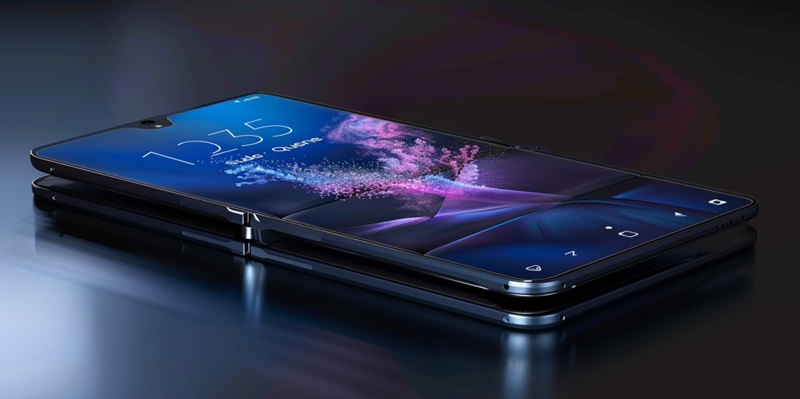
Xiaomi is set to make a significant splash in the European foldable smartphone market with the impending launch of its Mix Flip model. This new entrant, priced at approximately €1300 or $1400 in Europe, represents Xiaomi’s move to extend its presence beyond its domestic market in China. The price point marks a substantial increase from its cost in China, where it sells for 6,000 Yuan or about €758, reflecting Xiaomi’s confidence in the product’s premium features and market positioning. The Mix Flip’s arrival is expected to challenge established players in the foldable smartphone segment, particularly the Samsung Galaxy Z Flip6.
Mix Flip’s Dual-Display and Robust Internals
One of the distinguishing features of the Xiaomi Mix Flip is its dual-display design. The external screen, measuring 4 inches, offers a curved design that supports full app functionality, ensuring users have a seamless experience even when the device is folded. Upon unfolding, users are greeted with a main display that expands to 6.86 inches. This foldable display boasts a 1.5K resolution, a 120Hz refresh rate, and peak brightness of 3,000 nits, making it an ideal choice for multimedia consumption and gaming. Both screens are protected by ultra-thin glass, designed to withstand up to 500,000 folding cycles, which speaks to Xiaomi’s commitment to durability and longevity.
Under the hood, the Mix Flip packs the powerful Snapdragon 8 Gen 3 chipset, which promises robust performance for even the most demanding applications. The device is equipped with a 4780mAh battery that supports 67-watt fast charging, ensuring that users can quickly replenish their battery life. These features position the Mix Flip as not only a durable and luxurious option but also a highly capable device for power users. The camera system on the Mix Flip is another strong point, featuring dual 50MP lenses. The wide-angle main lens and a telephoto lens with 2x optical zoom provide versatility and high-quality photo-taking capabilities, making it an attractive option for photography enthusiasts.
Regional Marketing and Competitive Positioning
Xiaomi is not leaving anything to chance with the launch of the Mix Flip in Europe. The brand is leveraging regional promotional campaigns like “Mi Summer Tour” and “Summer Mi is with Xiaomi” to stir interest and anticipation ahead of the product’s release. According to market share data, Xiaomi holds the second position in Bulgaria, trailing only Samsung but ahead of Apple with approximately 25% market share. This strategic use of regional campaigns underlines Xiaomi’s attempt to fortify its market presence and build a loyal customer base for its innovative offerings.
While the exact release date for the Mix Flip in Europe is still under wraps, it is anticipated to be after August 15. This strategic timing aims to maximize consumer interest during the late summer season, often a period of high consumer activity. The significant price increase for the European market suggests that Xiaomi believes the high-end features and innovations of the Mix Flip justify the premium tag. This launch is more than just a new product offering; it signifies Xiaomi’s broader ambitions to solidify its standing in the global smartphone market, particularly in the foldable segment dominated by rivals like Samsung.
Implications for the Foldable Smartphone Market
Xiaomi is poised to make a notable impact in the European foldable smartphone market with the upcoming release of its Mix Flip model. Priced at around €1300 or $1400 in Europe, this launch marks a strategic effort by Xiaomi to expand its footprint beyond its home market in China. In China, the Mix Flip is sold for 6,000 Yuan or about €758, highlighting a significant price increase in Europe. This price disparity underscores Xiaomi’s confidence in the premium features and market positioning of the Mix Flip.
The Mix Flip is geared to compete directly with established players in the foldable smartphone space, especially the Samsung Galaxy Z Flip6. Xiaomi’s entry into the European foldable smartphone market aligns with its broader strategy to gain a stronger global presence. The high price in Europe suggests that Xiaomi believes the Mix Flip’s innovative features and design will justify its cost.
As the market for foldable smartphones grows, Xiaomi’s Mix Flip aims to offer consumers a compelling alternative, banking on its unique design and advanced technology to stand out against competitors.